
Last updated November 18, 2026
 Hardwood
 Engineered hardwood
 Luxury vinyl plank
 Laminate
 Porcelain tile
 Carpet
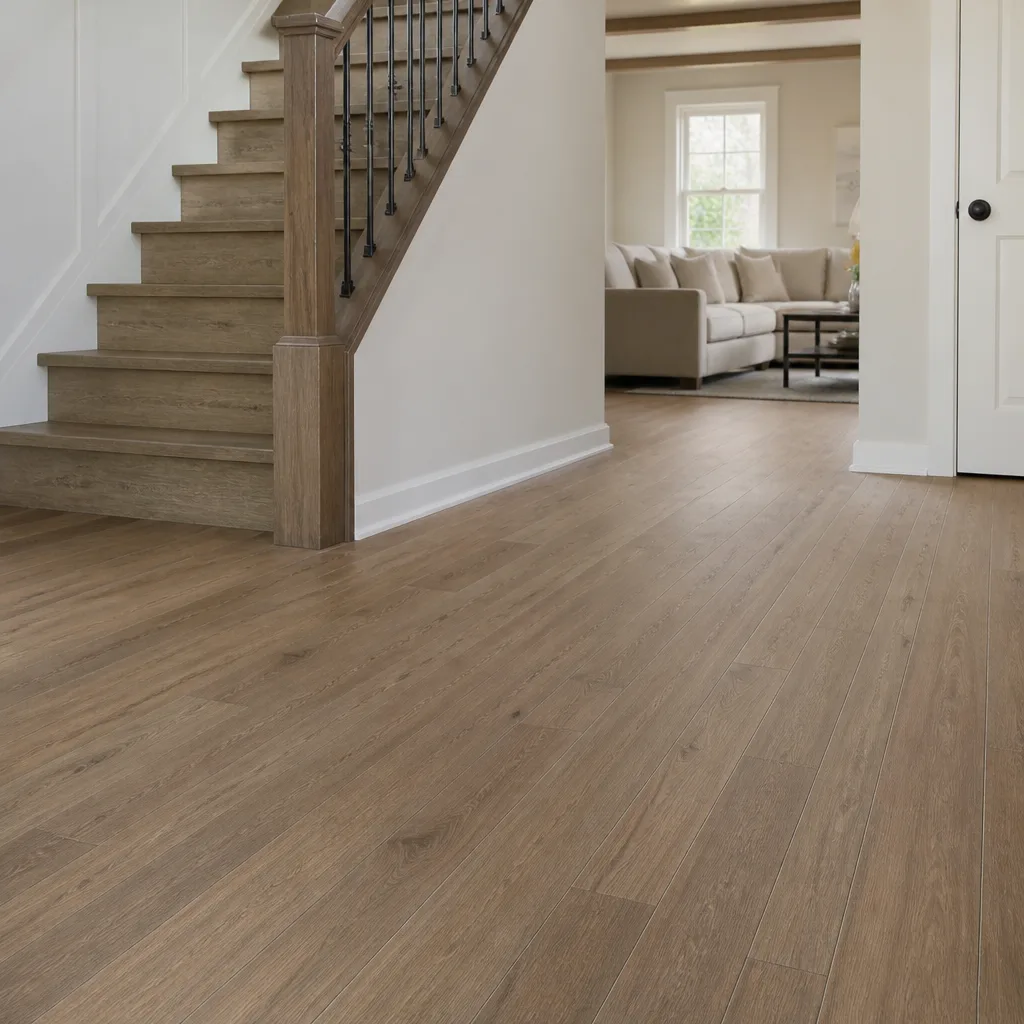 Shaw
 Mohawk
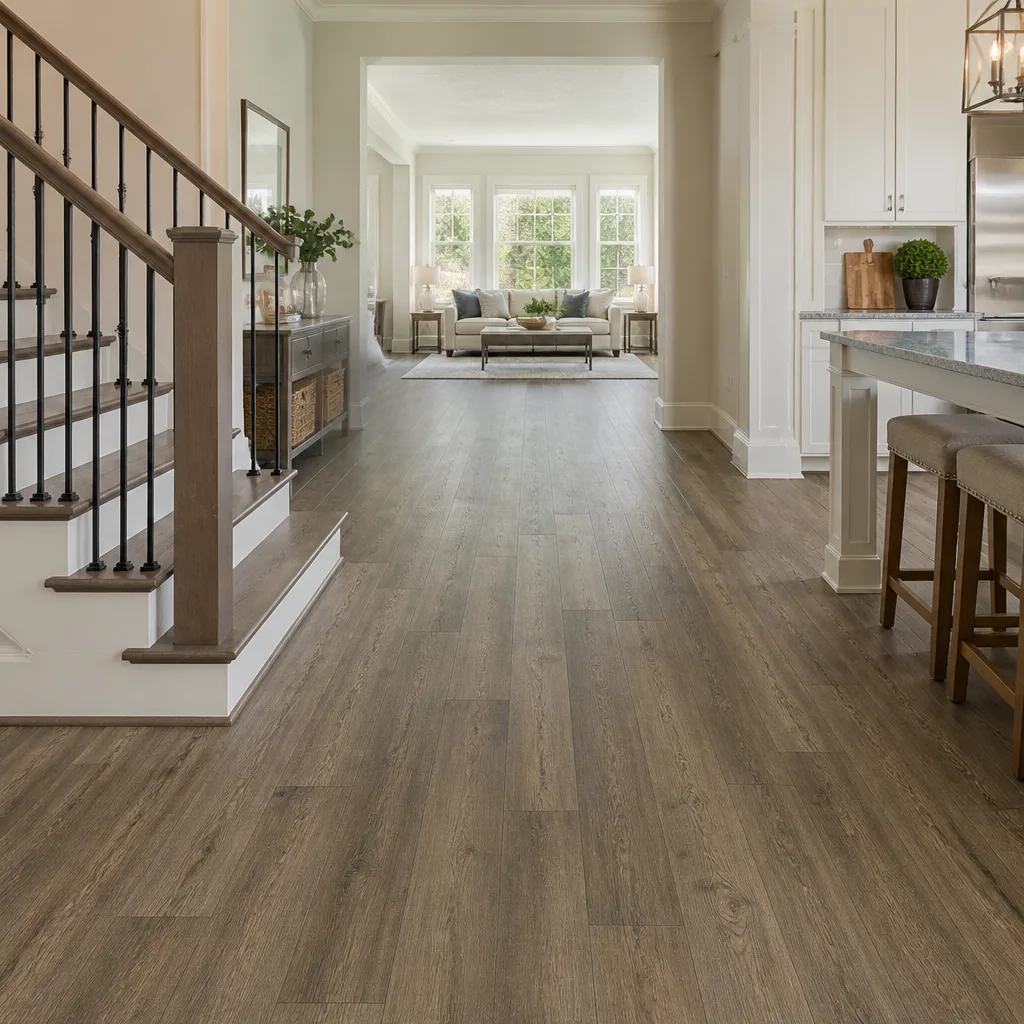 COREtec
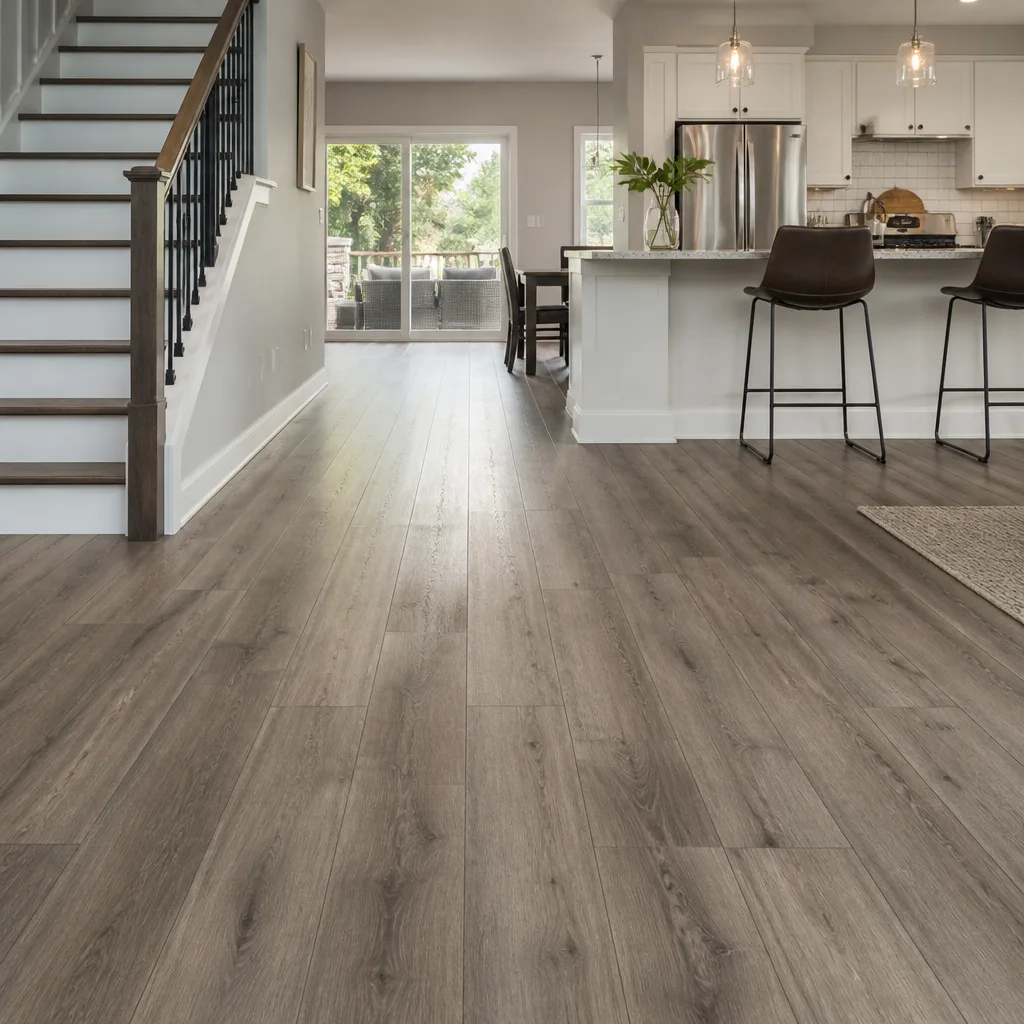 Pergo
Free in-home measure and written estimate: Shaw, Mohawk, COREtec and Pergo lines compared on your own rooms, with carpet, tile, vinyl plank, laminate and hardwood laid out side by side
Get your free estimateHow to Prepare Your Home for a Flooring Installation in Spring Valley
Most flooring problems get blamed on the installation day itself. In our experience, they’re decided the night before. A crew that walks into a room still full of furniture, baseboards nailed to the wall, and a stack of old carpet in the hallway is a crew that loses hours before it lays a single board, and those hours show up somewhere in the invoice. It’s not that homeowners don’t care. It’s that nobody ever explained that “ready for installation” is a specific standard, not a gut feeling. This guide is that explanation. We’ll walk you through room clearing, acclimation, subfloor checks, and HVAC settings, with the details that actually matter in Spring Valley’s dry desert climate.
Quick Answer
To prepare for a flooring installation in Spring Valley, clear every piece of furniture and loose item from the work area, remove baseboards if the plan calls for it, arrange disposal of the old floor, and let new wood or engineered flooring acclimate to your home’s indoor conditions before the crew arrives. Keep your HVAC running at its normal temperature and check the subfloor for soft spots, squeaks, and moisture long before installation day. A five-minute conversation at the estimate visit about who moves what prevents most of the delays and surprise charges that plague projects.
Styles & brands we work with
- Hardwood
- Engineered hardwood
- Luxury vinyl plank
- Laminate
- Porcelain tile
- Carpet
- Shaw
- Mohawk
- COREtec
- Pergo
Table of Contents
- What Has to Leave the Room Before a Flooring Crew Arrives
- Acclimation in Spring Valley’s Dry Climate
- The Subfloor Inspection Checklist Homeowners Can Do Themselves
- HVAC and Humidity Settings During and After Installation
- Old Flooring Removal and Disposal
- Pets, Children, and Re-Entry Timing
- The Pre-Installation Timeline
- Common Mistakes to Avoid
What Has to Leave the Room Before a Flooring Crew Arrives
Furniture moving is the single most common source of friction on installation day. Homeowners assume the crew handles it. Crews assume the room is empty. The misunderstanding gets resolved one of two ways: someone spends two hours moving a sectional instead of installing, or the project gets pushed back. Neither is what you want.
The rule of thumb is simple. Anything you’d move to paint a wall should be out of the room before the flooring crew arrives, not pushed into a corner. That means furniture, rugs, lamps, plants, wall decor, and anything stored in closets that will have flooring installed. It also means floor-level clutter: pet bowls, toys, laundry baskets, and the leaning stack of records nobody’s touched in a year.
Some items need more than muscle. Here’s the breakdown by what you’ll typically see:
- Furniture: Move it out of the room. Where it can’t leave, larger items get moved by the crew only when the estimate visit agreed on it in advance.
- Appliances: A refrigerator, washer, dryer, or gas range needs professional disconnection when it comes to gas lines, water lines, or 240-volt connections. Don’t guess at these. The estimate visit is the time to sort out who handles the disconnect and reconnect.
- Electronics: Televisions, computers, and game consoles come out of the room. Cables and wall-mounted brackets stay put unless you’ve been told otherwise.
- Baseboards and trim: If the plan calls for removing shoe molding or baseboards to reach the wall edge, that gets decided at the estimate. Homeowners who pull baseboards without the right tools often damage them, so don’t do this as a surprise.
- Aquariums and heavy safes: These need to be emptied and moved by the homeowner or a specialty mover. A crew member doesn’t drain a fish tank.
Clearance matters in Spring Valley homes as much as anywhere else. Whether you’re in a single-story ranch near the 215 or a two-story townhouse with a tight hallway, get the staging area right. That means the hallway or garage where trim, materials, and old flooring will sit during the job should be clear too, not just the room itself.
Acclimation in Spring Valley’s Dry Climate
Acclimation is the process of letting new flooring adjust to the temperature and humidity inside your home before installation. Skip it, and wood or engineered flooring can expand, contract, or gap after it’s nailed down. It’s a real concern in Spring Valley because our indoor humidity swings far more than most people expect. A summer afternoon in the valley pushes air conditioning hard, and the indoor air can get quite dry. That’s the environment the floor will live in, and the flooring needs to settle into it before installation.
Here’s the thing: acclimation time depends on the product and the home. There’s no universal number. What we tell homeowners is that the manufacturer’s product instructions are the authority, and the written estimate sets the specific plan. What we ask you to do is simpler.
- Keep the house at its normal living temperature. Don’t turn off the HVAC to save money the week before installation. The floor is getting used to the space as it will actually be used.
- Leave the boxes sealed until the crew opens them. Opening cartons early invites damage and lets the product sit differently than planned.
- Stack boxes flat, not leaning against a wall. The crew will lay them out; your job is just to keep them out of the way.
- Don’t park the boxes in the garage or on the patio. A garage in Spring Valley gets far hotter than the house, and a floor acclimating there isn’t acclimating to your living room.
- Talk to us if your home has a swamp cooler, evaporative cooling, or no central HVAC. Those change the indoor environment and the acclimation plan.
If you’ve chosen a product like Shaw or Mohawk hardwood or engineered flooring, acclimation is part of the deal. If you’re going with a Karndean luxury vinyl plank, the acclimation window behaves differently. What we won’t do is guess at a number. We’ll give you the specific instruction for your specific product at the estimate.
The Subfloor Inspection Checklist Homeowners Can Do Themselves
Subfloor problems are the most expensive surprise in any flooring project. Catching them early is a fraction of the cost of catching them mid-install. You don’t need to be a professional to run this walkaround, and doing it before the estimate visit gives us a head start.
- Walk the room barefoot. Soft spots, dips, and hollow sounds tell you the subfloor has issues. Note where each one is.
- Listen for squeaks. Squeaks come from loose subfloor panels or fasteners moving against each other. They’re fixable, but better flagged than discovered.
- Look for cracks and separation. Concrete slabs and plywood panels both crack. Note visible cracks, especially where they run wider than a hairline.
- Check for old water stains or warping. The previous floor may have been removed because of a leak. Look at the subfloor edge near exterior walls and plumbing fixtures for discoloration.
- Look at the transition areas. Doorways and hallway openings show high and low points where different rooms meet. That matters for tile.
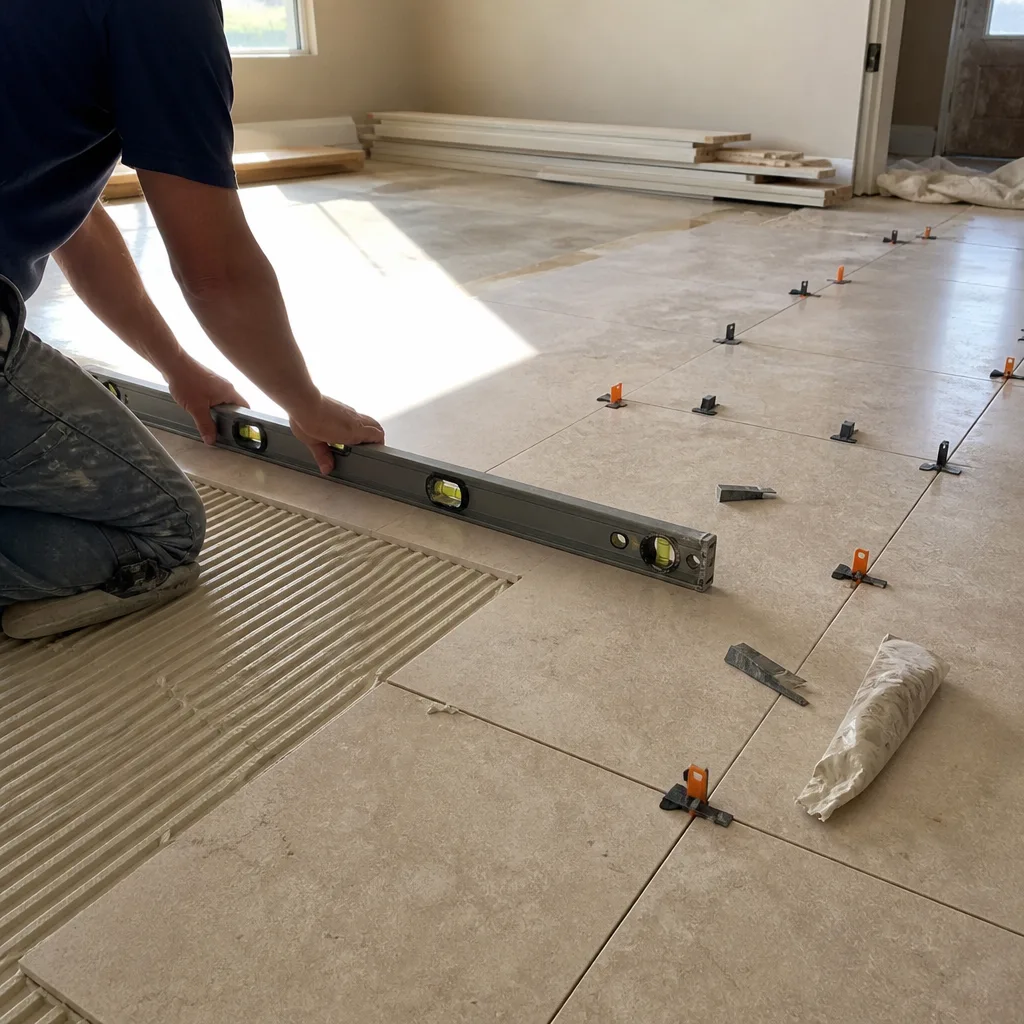
- Feel for unevenness with a straightedge. A level or long straightedge across the floor shows you the dips. Note how deep they feel.
- Check the perimeter for moisture. A brief touch of exterior wall base and floor edge can reveal dampness. If it does, that’s a call-us-now item, not a wait-and-see item.
What you can’t check yourself is the actual moisture content of the slab, or the flatness tolerance that a specific product requires. Those are measured at the estimate with proper tools. The reason this matters in Spring Valley is straightforward: our climate is dry, but slab-on-grade construction still holds moisture, and tile in particular demands a flat, sound substrate. A Daltile tile installation chosen for a kitchen or entryway is only as good as the surface underneath it. If your walkaround turns up soft spots or standing moisture, note it and tell us when we come out.
HVAC and Humidity Settings During and After Installation
Your HVAC is part of the installation, not separate from it. Here’s how to think about it:
- Keep HVAC running before installation. The acclimation process depends on your home being at its normal temperature and humidity for the days leading up to the crew arriving.
- Keep HVAC running during installation. Don’t switch it off the morning of the job. The floor will spend the day in a real living environment, and finishing products behave better at stable temperatures.
- Keep HVAC running after installation. Wood flooring needs time to settle into its new home. Don’t turn the system off for a week while you’re out of town.
- Plan for ventilation during adhesive and finish work. Carpet adhesive, tile thinset, and hardwood finish can give off noticeable smell. Opening windows and running fans for a few hours helps, and the crew will plan around weather.
If you’re considering a moisture-sensitive product, the humidity readings at the estimate determine whether the product is appropriate. Don’t try to solve humidity with a humidifier the week before installation; a stable environment over a longer stretch does more good than a sudden change. Our technicians have up to 14 years of experience reading these cues, and they’ll walk the home with you at the estimate to set the plan. If a Spring Valley home has a whole-house humidifier or a swamp cooler, that’s worth mentioning, because those change the indoor conditions your floor will experience year-round.
Old Flooring Removal and Disposal
Old flooring has to go somewhere. Whether the crew hauls it or it becomes your problem is a question that should be answered before installation day, not the morning of. Carpet and pad are bulky and heavy when rolled. Tile comes off in sharp pieces. Hardwood planks with nails in them don’t fit in a residential trash bin. Plan for disposal.
Three practical paths:
- Crew removal and haul-away. If this is part of your written estimate, it’s handled. Confirm in writing.
- Homeowner removal. If you’re pulling the old flooring yourself, do it carefully and check for hazards (adhesive dust, old staples, loose underlayment). Hauling happens on your schedule.
- Dumpster rental or haul-away service. If the old floor is going to sit for a while, a short-term dumpster rental keeps the staging area usable.
If you have existing hardwood, there’s a third option most flooring shops don’t bring up: refinishing before replacement. If the wood has enough thickness and the right condition, refinishing can extend its life significantly and skip the removal step entirely. That estimate visit is where we determine whether your floor can be saved. For more on the option, see our guide to Flooring Spring Valley and our hardwood refinishing service.
Pets, Children, and Re-Entry Timing
Pets and kids complicate an installation more than any other single factor, and it’s mostly a logistics problem, not a flooring problem. Plan ahead so the day of the install doesn’t become a scramble.
- Pets should be out of the house or confined to a distant room during the install. Adhesive fumes and tools aren’t pet-friendly. If your pet is anxious about strangers, a boarding arrangement for the day is worth it.
- Children need a safe zone. A room that isn’t being installed is the best option, plus a clear instruction that the work area is off-limits until the crew says so.
- Re-entry timing depends on the product. Carpet is usually walkable soon after installation. Tile depends on the thinset or adhesive used. Hardwood refinishing involves a finish that needs to cure, and the recommended wait is specific to that finish; you’ll get the exact window from us.
- Furniture goes back on the floor on the schedule we give you. Not sooner. This is where homeowners get into trouble with carpet impressions and finish scuffs.
One detail worth flagging in Spring Valley: many homes here have covered patios and garages that are usable as staging areas, but they heat up fast. Don’t use a garage as a long-term holding space for new flooring or finished furniture; the indoor environment is the right environment. And if the family is staying home during the install, work out a plan for meals and bathroom access around the work area. A kitchen install with the family still cooking in it rarely goes smoothly.
The Pre-Installation Timeline
Here’s how the work generally unfolds. There’s no universal number of days; the schedule is set at your estimate, but the sequence is consistent.
- Free estimate and measure. We measure, inspect the subfloor, check moisture, discuss products, and talk through the room-clearing plan. The written estimate sets the price.
- Product selection and ordering. You choose the flooring from the brands we carry, including Shaw, Mohawk, Daltile, Karndean, and the other names in our portfolio. The product arrives at your home.
- Preparation window. Furniture moves out, baseboards come off if needed, old flooring comes up, and new product begins acclimating indoors.
- Installation day. The crew arrives to an empty room, a stable HVAC setting, and a confirmed disposal plan.
- Cure and re-entry. Walkability, furniture return, and any finish-cure window follow the schedule we give you in writing.
The single most useful thing you can do is read the estimate carefully and ask any question on it before installation day. If something is unclear at any point, don’t sit with it. A quick call resolves it. Learn more about our carpet installation and tile flooring installation services if you want to see how each one handles preparation.
Common Mistakes to Avoid
- Leaving the room furnished “just in case.” The crew can’t install under a bed. If you haven’t committed to moving furniture, do that before anything else.
- Opening the flooring cartons yourself. It sounds helpful, but opened cartons can dry out, get damaged, or sit at a different position than planned. Leave them sealed.
- Skipping the subfloor walkaround. Ten minutes of barefoot walking saves a possibly significant change order later. Spring Valley’s slab-on-grade homes have moisture issues that don’t show on the surface.
- Turning off the HVAC before installation. The floor acclimates to the home it will live in, not the home it sits in while you’re away.
- Forgetting gas and water disconnects for appliances. A gas range is not a homeowner-safe move. Flag appliances at the estimate.
- Not asking about disposal in writing. “We’ll handle it” without a line item on the written estimate is how old flooring ends up on the patio.
- Bringing pets and kids around the work area “just to watch.” Open adhesive containers and sharp trim pieces make this a hazard. Give them a safe zone.
- Assuming acclimation time is universal. Different products want different windows. Ask about your specific product.
See the difference
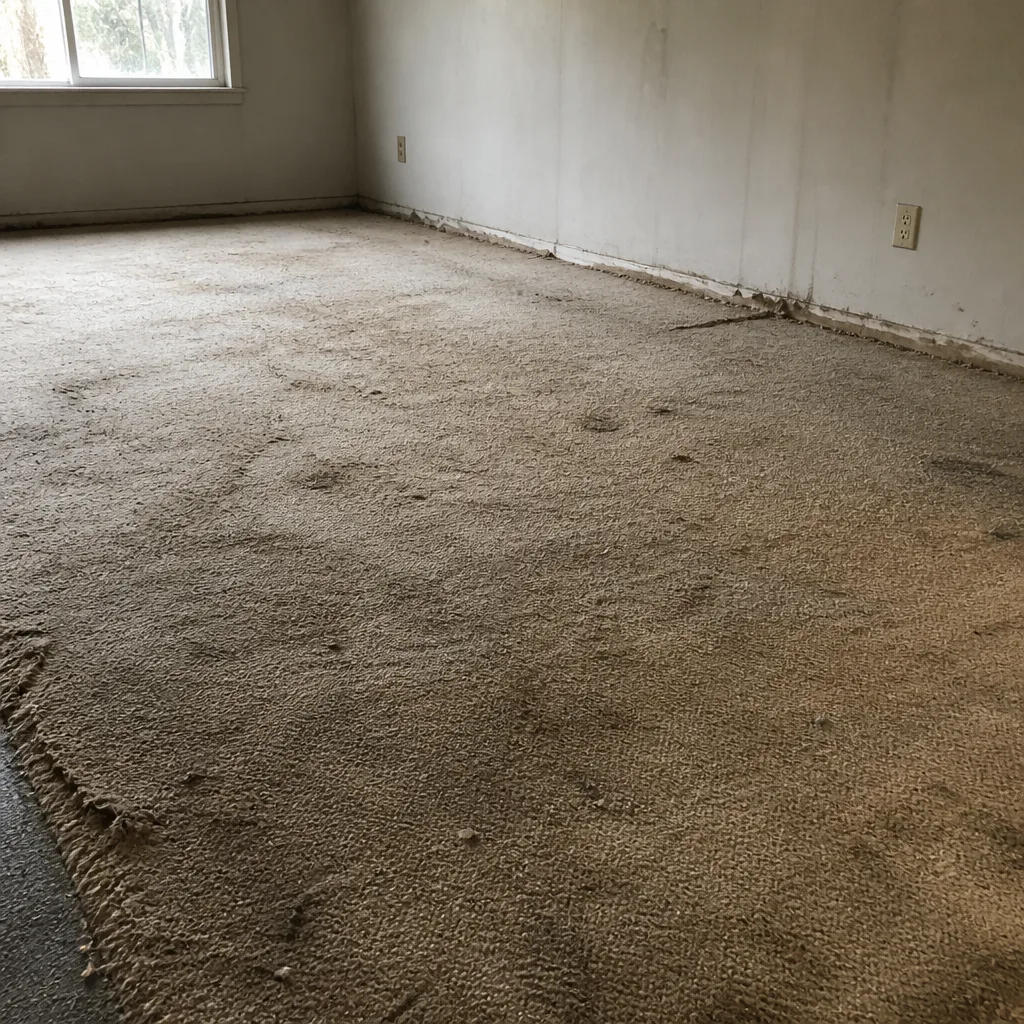 Before
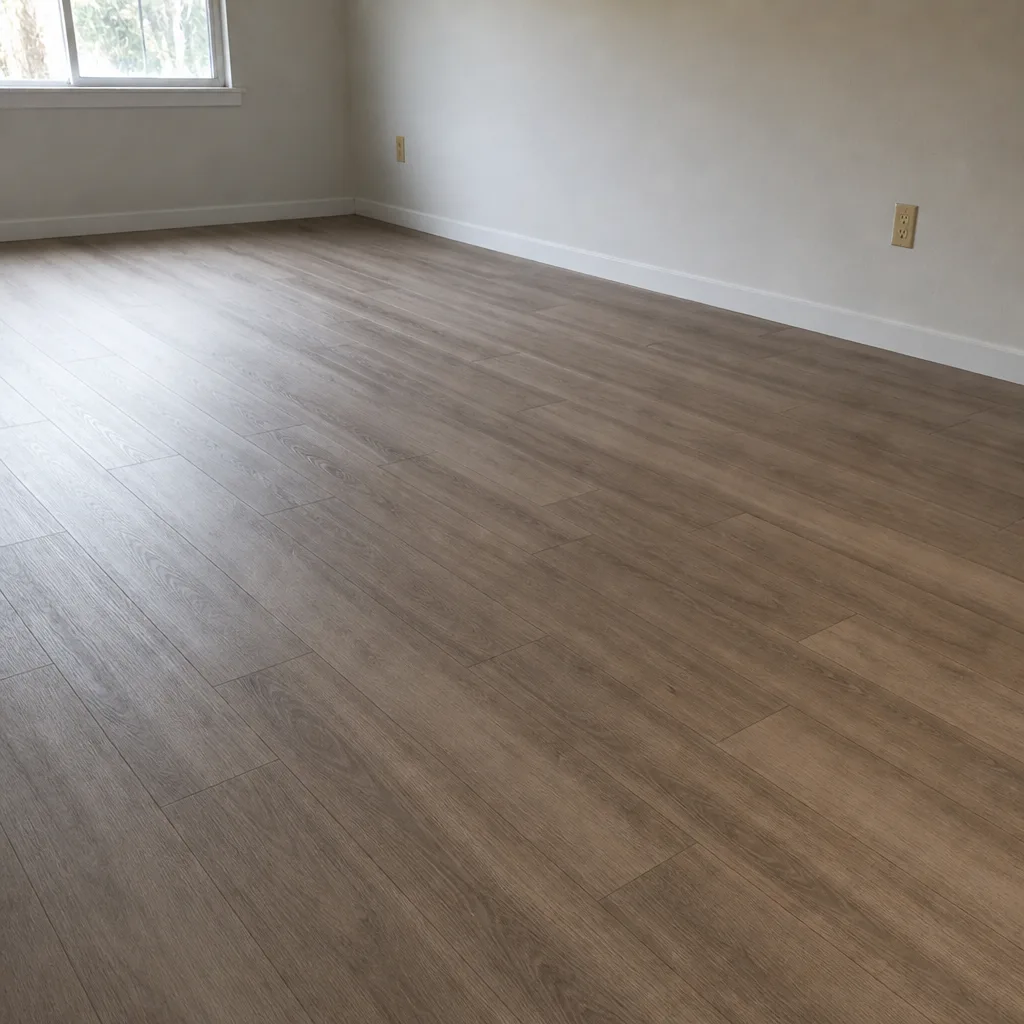 After
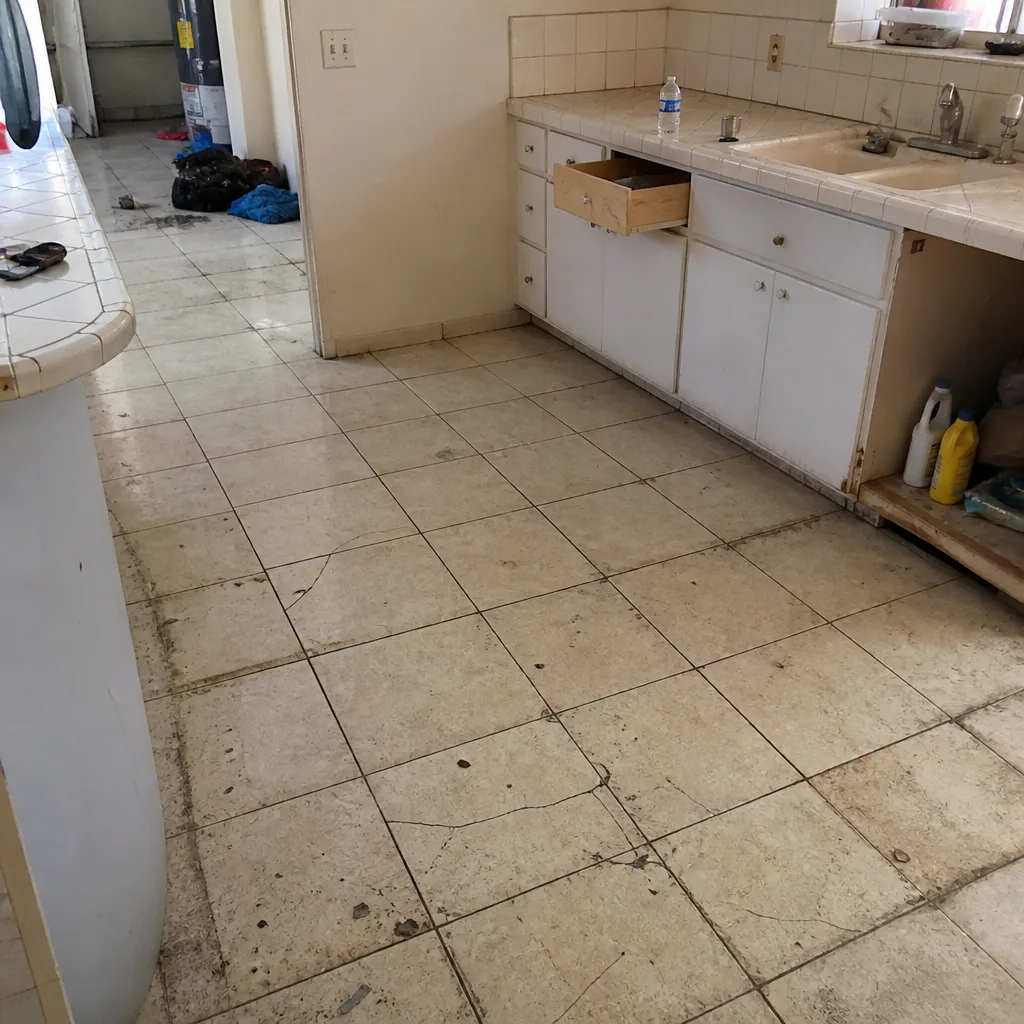 Before
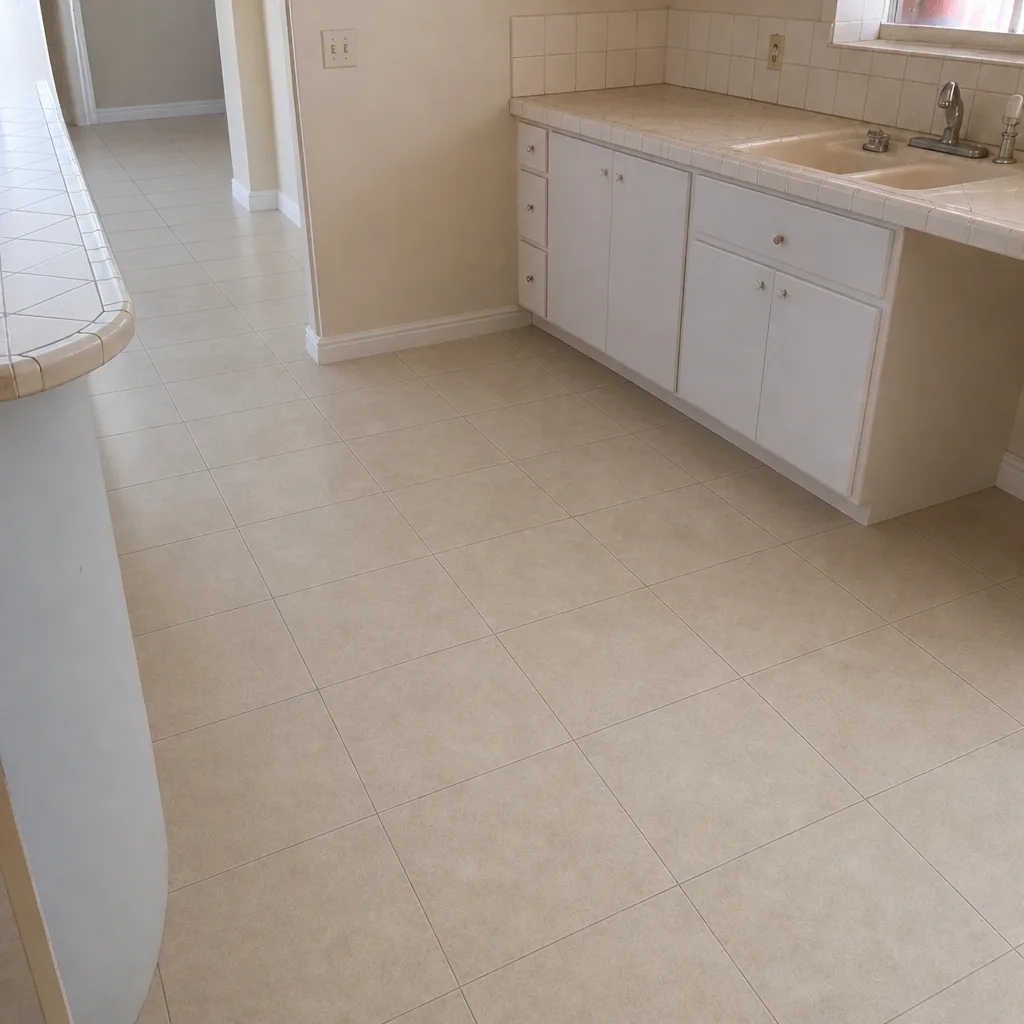 After
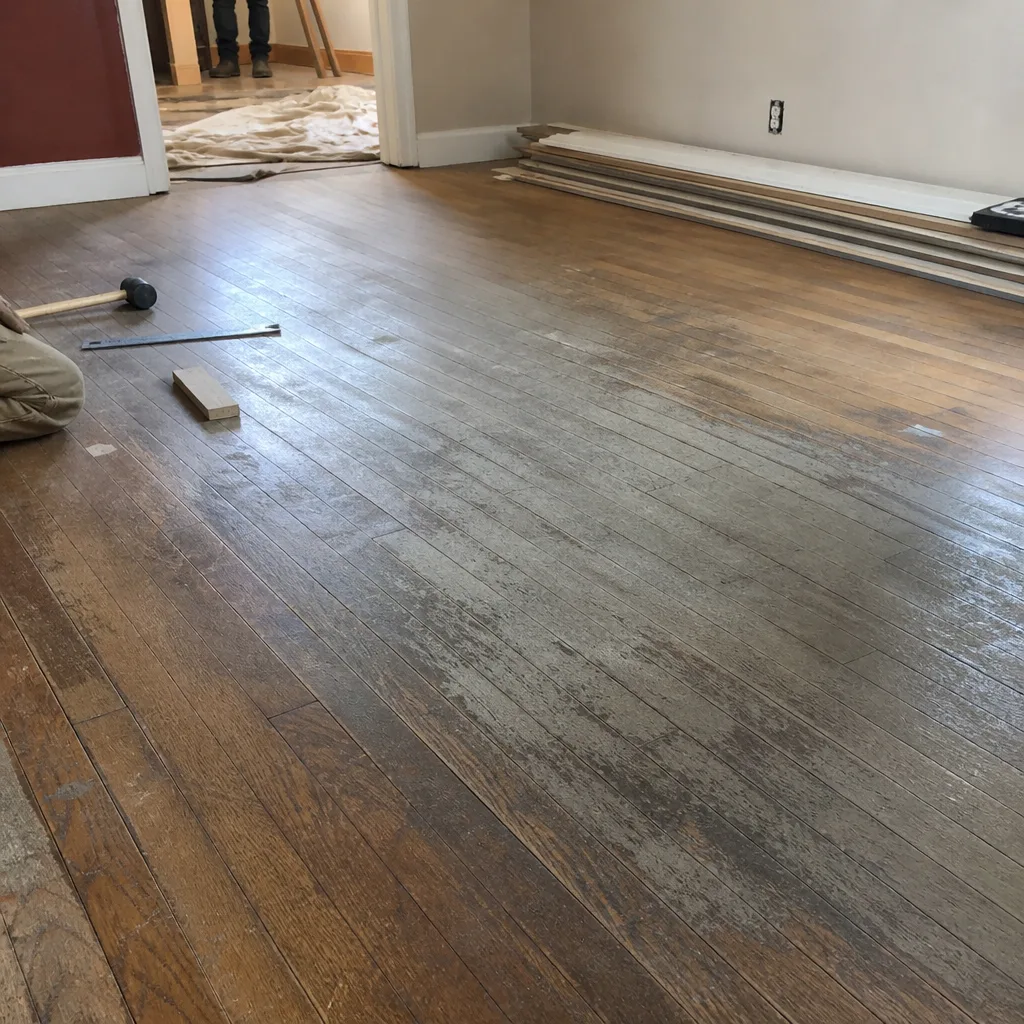 Before
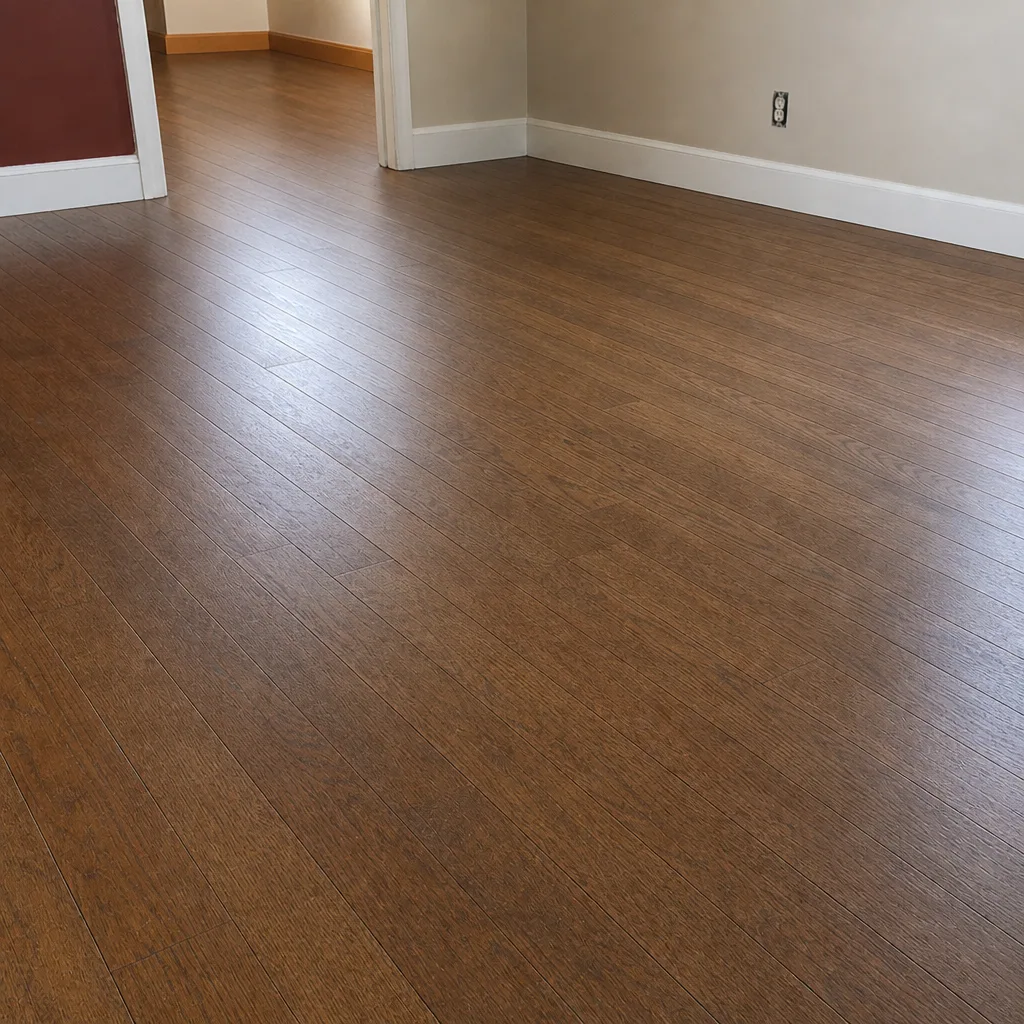 After
When to Call a Professional
If your subfloor walkaround turns up soft spots, hollow sounds, visible cracks, or any sign of moisture, call before doing anything else. If you’re unsure whether your existing hardwood can be refinished or needs replacement, that’s a decision worth seeing in person rather than guessing at. Appliance disconnects, gas lines, and whole-home HVAC questions during a major install also deserve a call. And when the room is bigger than a single weekend can handle, or the home has older flooring that might hide structural issues, an estimate visit beats a DIY gamble. Flooring Spring Valley offers free estimates in Spring Valley, so call (888) 350-5054. We answer 24/7. Fast dispatch from 7am to 7pm, Sunday through Friday.
Frequently Asked Questions
Pricing depends on the product, the room size, and the subfloor condition, so there isn’t a single number to quote you. The written estimate is the final price, and it’s free. Carpet, tile, and hardwood refinishing each price differently depending on what’s involved. Call (888) 350-5054 to schedule a free estimate – estimates are free and the visit answers most of your questions.
There’s no fixed number in days because it depends on the product and the home. The estimate visit produces a schedule, and the written estimate commits the crew to a booked installation day. Acclimation time, dry times, and cure windows all happen within that schedule. Call (888) 350-5054 for a free estimate and we’ll explain each step.
Yes. The estimate is free and the written price set from that visit is the price you pay. We do the measure, check the subfloor, look at the room, and discuss product options, including brands like Shaw, Mohawk, Daltile, and Karndean, without a fee. Call (888) 350-5054 to schedule it.
Acclimation time depends on the specific product and the home’s indoor conditions. The product instructions and the written estimate set the actual window. What we ask of homeowners is to keep HVAC running at normal settings through the acclimation period and leave cartons sealed. Call (888) 350-5054 for a free estimate and we’ll clarify the window for the product you’re considering.
The room needs to be cleared before installation day, and that’s something we plan with you at the estimate. Heavy items, appliances, aquariums, and safes need a plan set in writing so nobody’s guessing on the day. Call (888) 350-5054 to schedule a free estimate and we’ll walk through the room with you.
Often yes, and it’s worth asking about before you order new material. Whether refinishing is possible depends on the thickness of the wood and its condition, and we check that during the estimate visit. Refinishing is a standalone service we offer for existing hardwood floors. Call (888) 350-5054 for a free estimate.
The Bottom Line
Preparation decisions happen before installation day, not on it. Clear the room, plan the disposal, run your HVAC normally, walk the subfloor, and confirm the acclimation window for your specific product with the manufacturer’s instructions and the written estimate in hand. In Spring Valley’s dry climate, indoor humidity matters more than most homeowners expect, and the flooring you choose acclimates to your home’s living conditions, not to the garage or the patio. A free estimate is the right starting point and the cheapest way to avoid a change order later. Call (888) 350-5054 to schedule yours. We answer 24/7. Fast dispatch from 7am to 7pm, Sunday through Friday. If you want to see how we handle a full home project from start to finish, our Spring Valley service page is a good place to start reading.
Written by the team at Flooring Spring Valley.