
Last updated November 18, 2026
 Hardwood
 Engineered hardwood
 Luxury vinyl plank
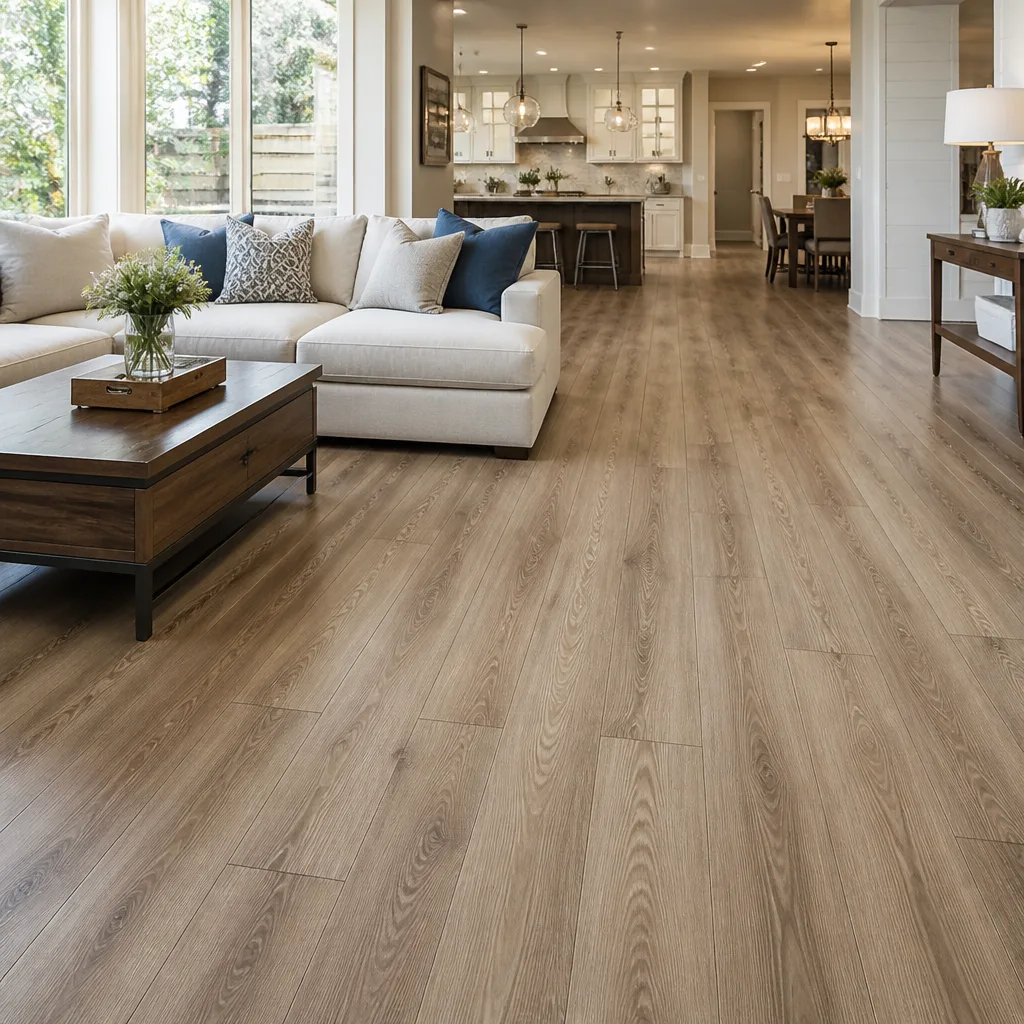 Laminate
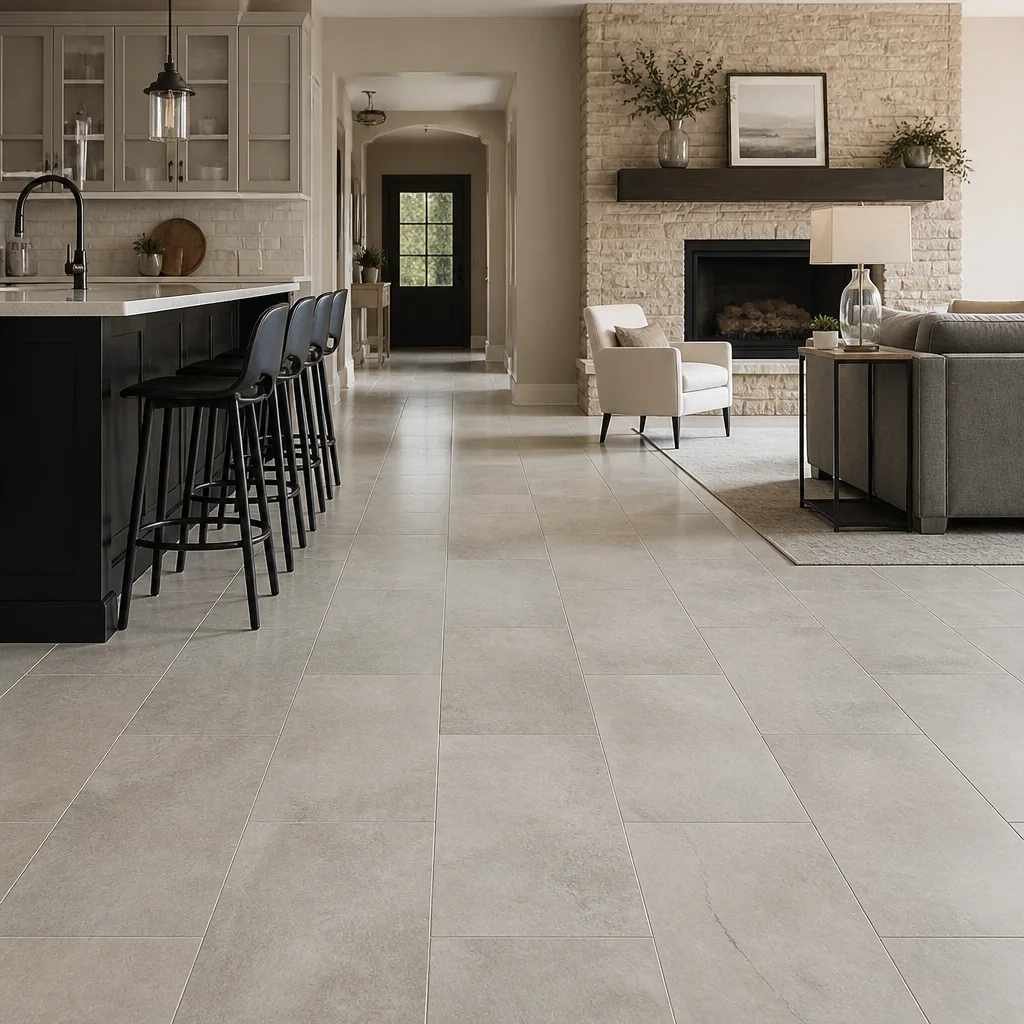 Porcelain tile
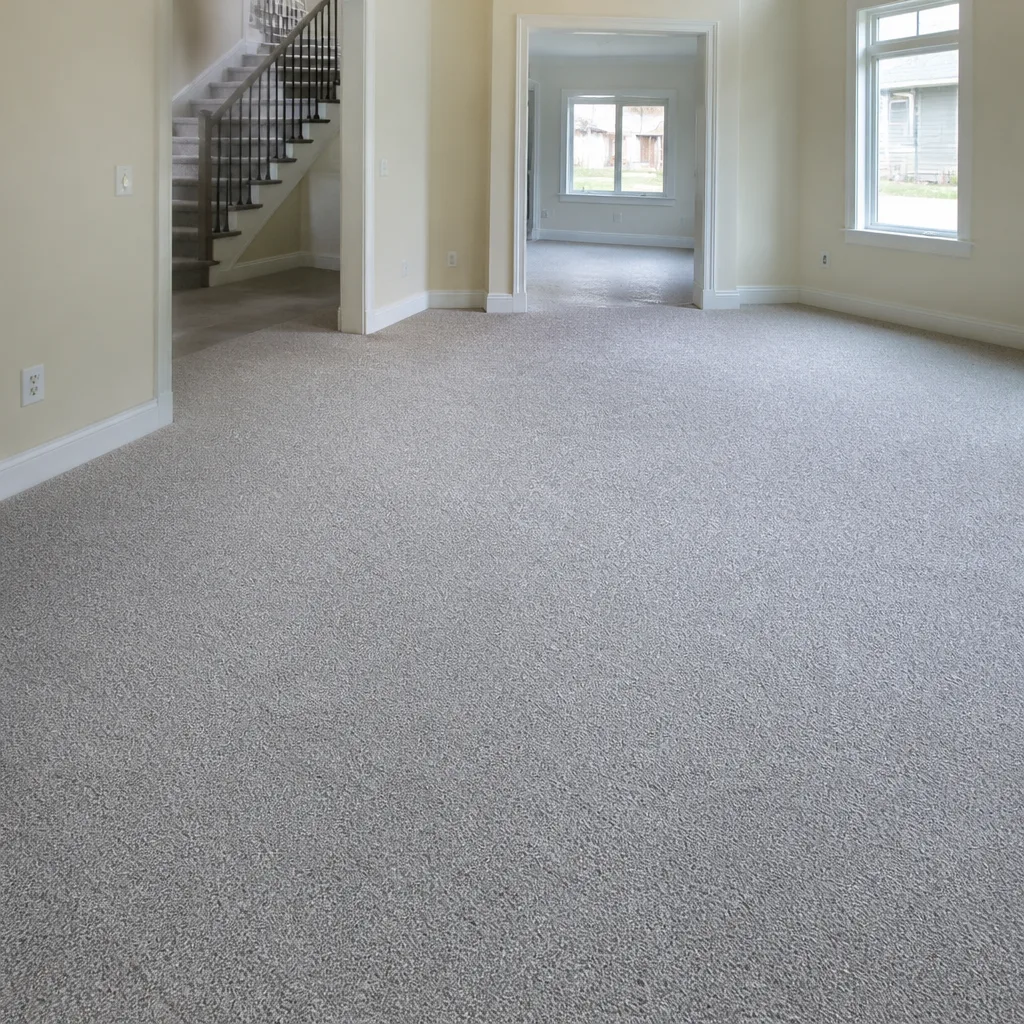 Carpet
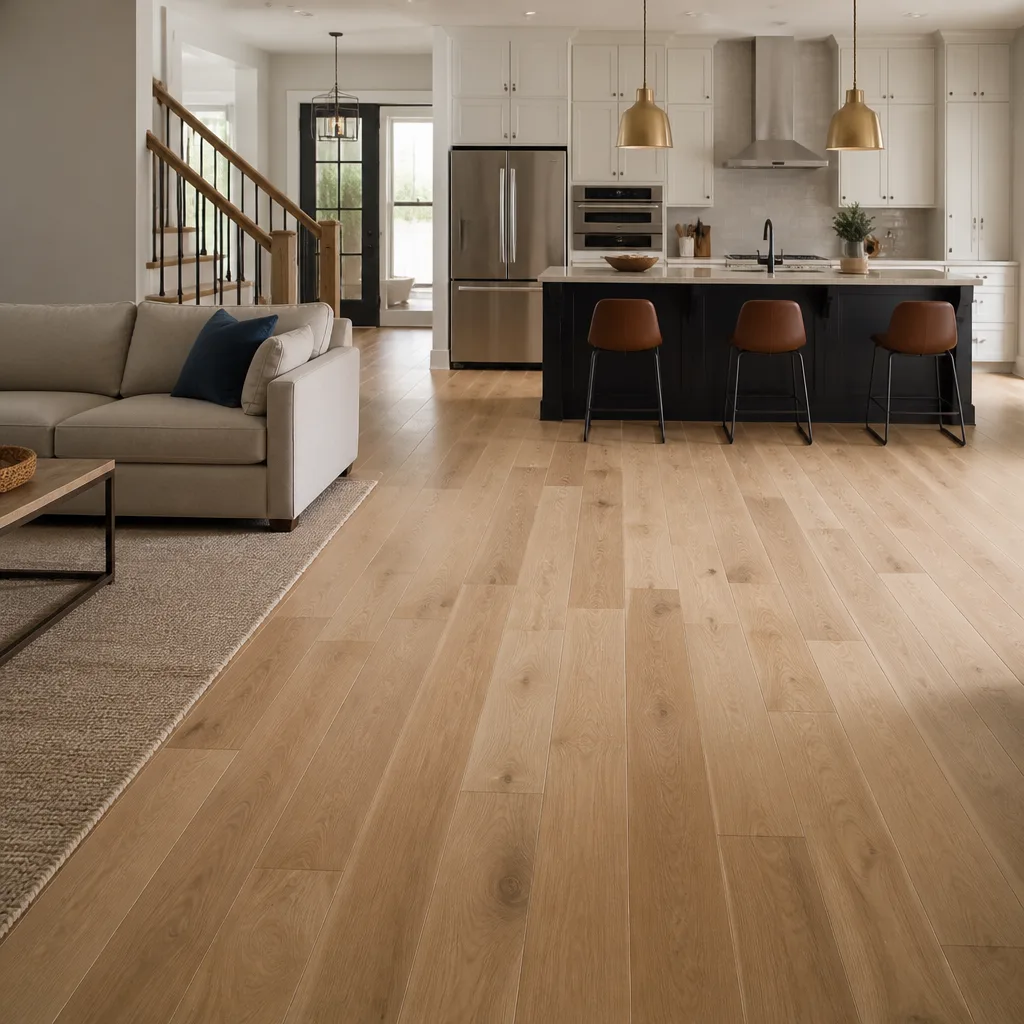
 Shaw
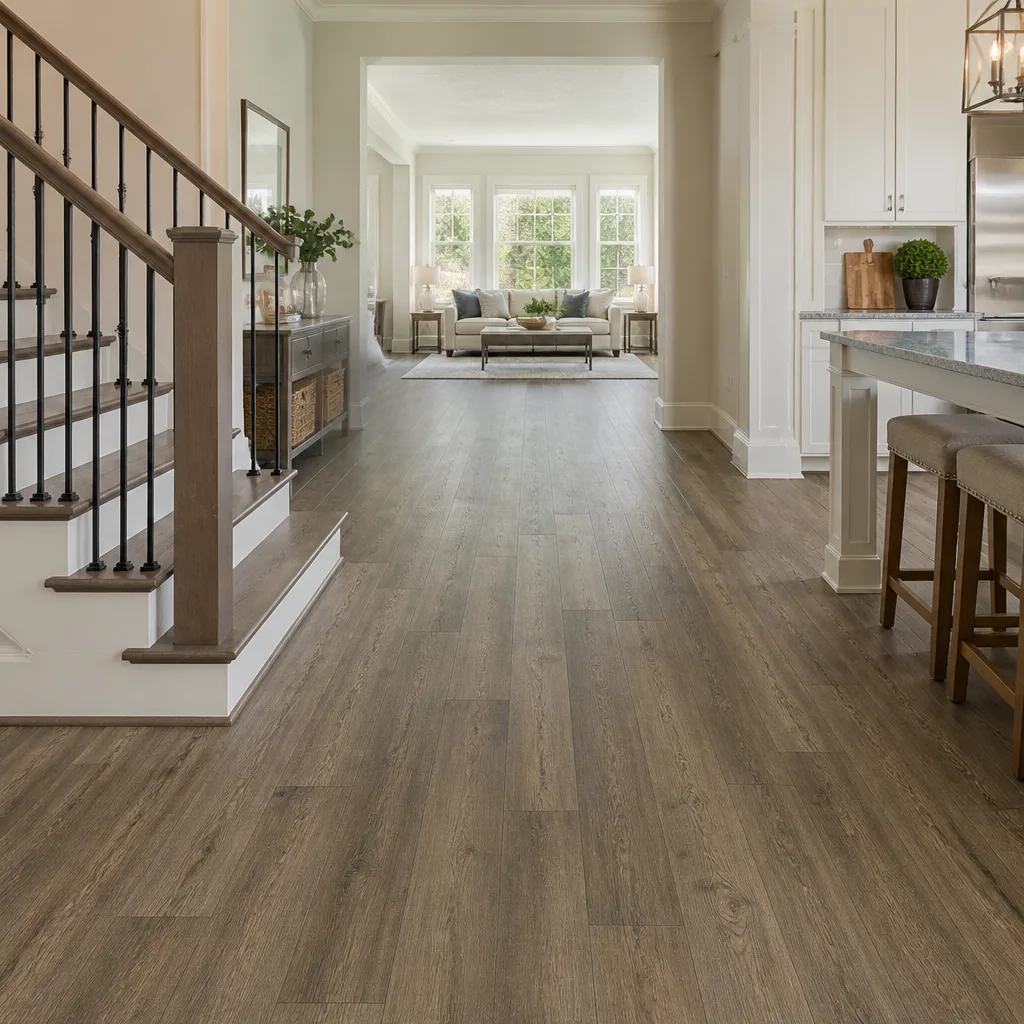
 Mohawk
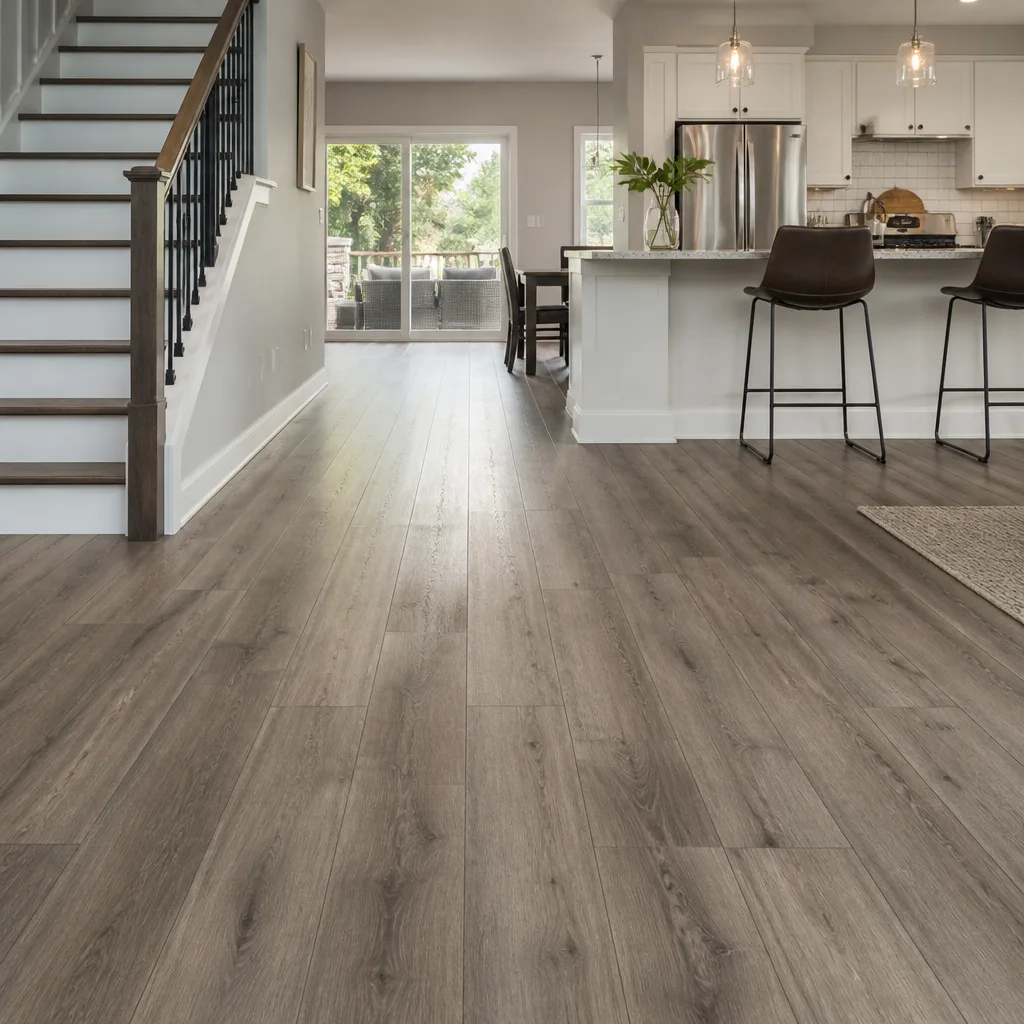
 COREtec
 Pergo
Free in-home measure and written estimate: Shaw, Mohawk, COREtec and Pergo lines compared on your own rooms, with carpet, tile, vinyl plank, laminate and hardwood laid out side by side
Get your free estimateHow Spring Valley’s Climate Can Affect Your Flooring Choice
Most flooring problems in the Las Vegas Valley don’t come from bad installation. They come from bad assumptions about humidity. A wide-plank white oak that looks flawless in a showroom back east can leave your Spring Valley home in a row of visible gaps after one dry summer season, and no amount of expensive maintenance will reverse it. The culprit isn’t the floor and it isn’t the installer. It’s an indoor environment that sits around 10 to 20 percent relative humidity for most of the year while the outside temperature climbs past 100°F. In this guide we’ll walk through exactly how that climate interacts with solid hardwood, engineered wood, tile, carpet and vinyl plank, what fails first in each material, and how to choose a floor that survives a Spring Valley summer without constant babysitting.
Quick Answer
The best flooring for a Spring Valley home is usually engineered hardwood or a water-resistant luxury vinyl plank in main living areas, porcelain tile in kitchens and bathrooms, and a good-quality carpet in bedrooms and closets. Solid hardwood can work, but the desert’s low humidity makes it shrink and gap unless you control indoor moisture carefully. Porcelain tile handles the heat and dry air without moving, and carpet is the most dimensionally stable choice because it doesn’t react to humidity swings at all. The floor that fails here is almost always a solid wood floor installed with a coastal or Midwestern moisture assumption.
Styles & brands we work with
- Hardwood
- Engineered hardwood
- Luxury vinyl plank
- Laminate
- Porcelain tile
- Carpet
- Shaw
- Mohawk
- COREtec
- Pergo
Table of Contents
- Why Spring Valley’s Low Humidity Breaks Wood Floors
- Solid vs. Engineered Hardwood in a Desert Climate
- How Long Do Floors Need to Acclimate in Spring Valley?
- Tile, Thermal Mass and the Barefoot Problem
- Carpet: The Most Underrated Choice in an Arid Home
- Why Vinyl Plank Buckles at West-Facing Sliding Doors
- Room-by-Room Flooring Recommendations for Spring Valley
Why Spring Valley’s Low Humidity Breaks Wood Floors
Wood is hygroscopic. That’s the technical term for a material that absorbs and releases moisture from the air around it, and that absorption causes it to swell on the way in and shrink on the way out. In most of the country, indoor relative humidity stays above 40 percent year-round, so wood floors live in a fairly stable range. In Spring Valley, the numbers are very different. Outdoor relative humidity frequently drops into the single digits during summer afternoons, and even air-conditioned indoor spaces hover in the 10 to 20 percent range for most of the year.
The result is predictable. Wood that’s milled and finished at a factory moisture content meant for a mid-range climate keeps shrinking after installation. A 6-inch-wide solid oak plank can lose a meaningful fraction of its width across the grain in a dry indoor environment. Multiply that by twenty planks and you get visible gaps at every seam. Tighter, more humid climates push wood the other way; here, the whole floor is asking for less.
Three things happen to a wood floor in a dry Spring Valley house:
- Gapping at the seams. Planks pull apart as the wood shrinks across the grain. Wide planks gap more than narrow ones.
- Cupping at the edges. When moisture gets in from below (slab moisture, a slow leak, sprinkler overspray bleeding through a foundation) and the top surface is dry, plank edges curl upward. In our experience this is the single most misdiagnosed floor problem in this climate.
- Surface checking. Fine cracks in the finish and eventually in the wood itself. These can show up within a single dry season in a floor that wasn’t stabilized before install.
Homes in the warmer, drier parts of Spring Valley tend to see this more aggressively than shaded properties, but no house here is immune unless the indoor humidity is being managed with what amounts to whole-home humidification. That’s an important filter for anyone browsing flooring in this climate: ask what the material does when indoor humidity drops below 20 percent, not what it does at a comfortable 45 percent.
Solid vs. Engineered Hardwood in a Desert Climate
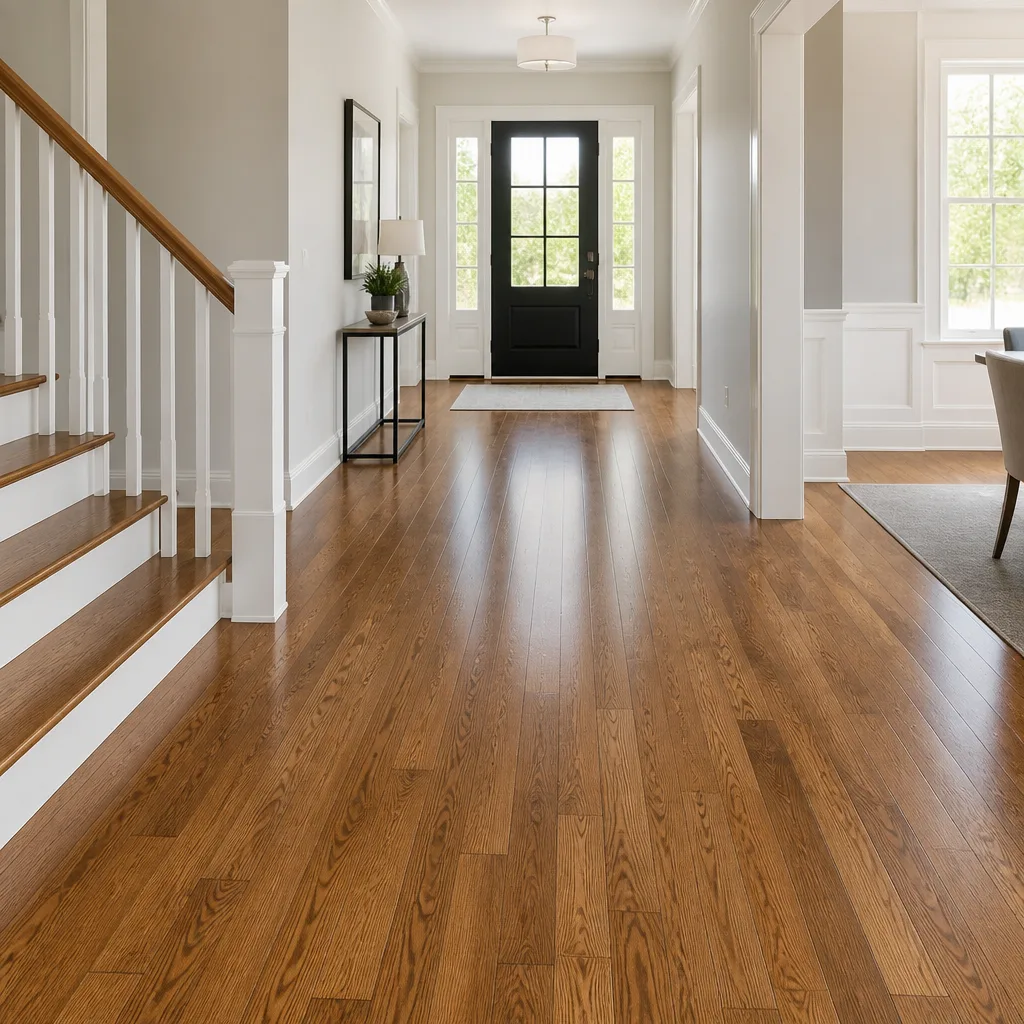
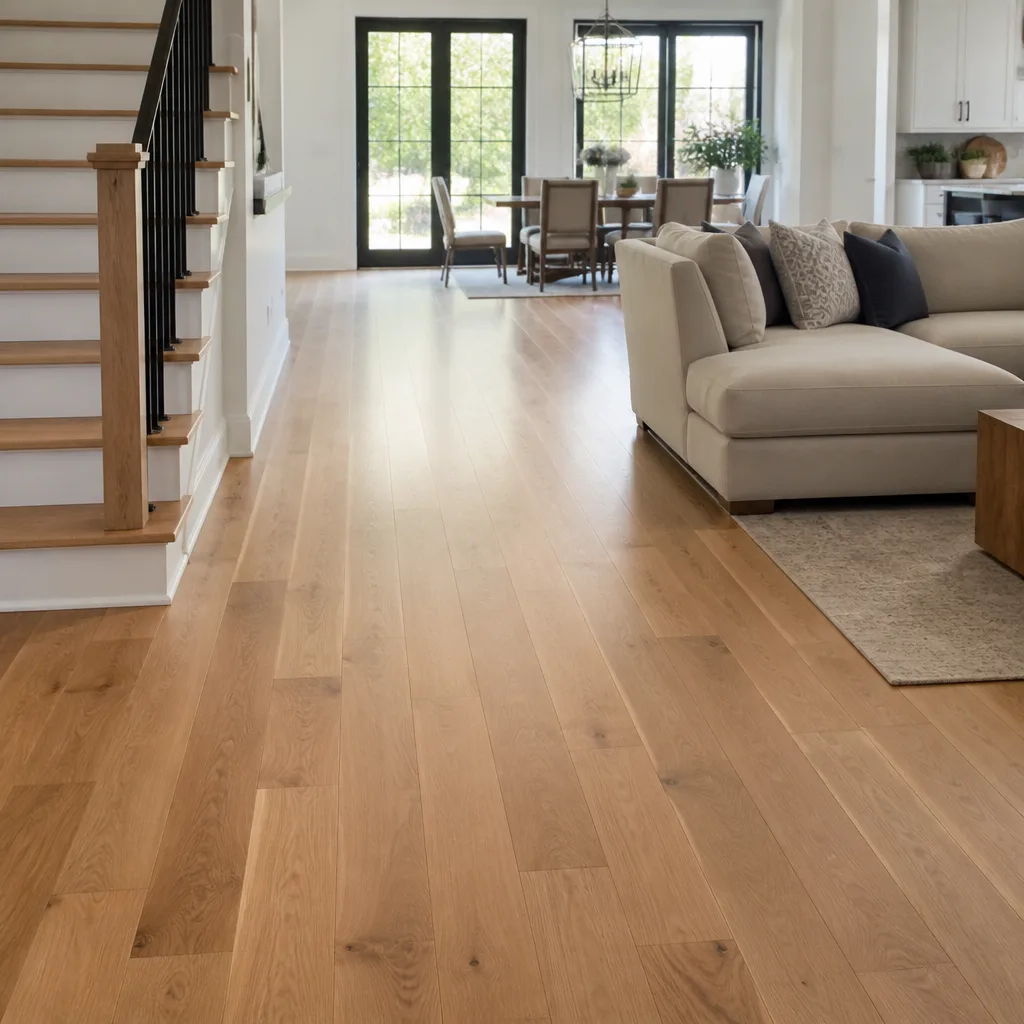
Engineered hardwood outperforms solid hardwood in Spring Valley. That’s not marketing; it’s physics. An engineered plank is built from layers of plywood or high-density fiberboard with a real wood wear layer on top, and the cross-grain construction of those layers restrains the movement the wood would otherwise make. Solid hardwood has nothing fighting it. When the air dries out, a solid plank shrinks across its full thickness; an engineered plank shrinks far less because the internal construction is constantly pulling it back to flat.
If you want the look and feel of real wood (and it’s a great look in Spring Valley homes), engineered is the safer pick for a home with typical desert indoor humidity. For engineered and hardwood floors alike, the brand matters less than the construction and the moisture content at the time of install. Shaw and Mohawk both offer broad engineered collections in a range of wear-layer thicknesses and species, and the species you pick affects how much the floor moves. Oak, hickory and maple move more than species with a lower tendency to shrink and swell. Very wide planks in any species will gap more than narrow planks because every gap along the grain adds up.
When solid hardwood is the right answer:
- You’re willing to run a whole-home humidifier and know it will be monitored.
- You’re installing narrow planks with traditional edge milling, which hide minor movement better.
- The room already has a strong thermal envelope and stays cool and steady.
When engineered is the right answer:
- You’re covering a large footprint and wide planks are the design goal.
- Your home runs on the dry side and you don’t want to add humidification.
- You want to keep a hardwood look without paying for solid-sawn stock.
One more point worth flagging: if you already have a solid hardwood floor and it’s starting to gap or look tired, refinishing is often a better conversation than replacement. Refinishing sands away the old finish and restores a serviceable floor, and it’s a lower-cost path than tearing out wood that’s still structurally sound. It’s worth asking whether there’s enough wear layer left to refinish, because that’s a question the floor itself has to answer.
How Long Do Floors Need to Acclimate in Spring Valley?
Most wood flooring manufacturers suggest a two-day acclimation window in normal climates. In Spring Valley, that guidance is too short. Dry-desert air pulls moisture out of new flooring much faster than humid air does, and the transition between the factory moisture content and your home’s indoor moisture content happens gradually, not overnight. If a floor hasn’t fully reached its final moisture state when it’s nailed or glued down, the shrinkage keeps happening after install, in place, under the weight of everything above it. That’s how you end up with a brand-new floor that gaps within the first year.
We tell customers to budget three to seven days for acclimation on solid hardwood, longer in winter when indoor relative humidity can drop even lower than summer, and a shorter but still generous window on engineered hardwood (its cross-grain construction gives it more stability, but it still moves). Luxury vinyl plank needs less time, but “less” still isn’t zero.
- Deliver the boxes and open them. Leave planks in the room they’ll be installed in, stacked loosely so air reaches every surface.
- Get the home’s indoor conditions where they’ll be during the floor’s life. Turn on the HVAC, run it as you will post-install, and keep windows closed. Skip this step and acclimation means nothing.
- Measure the moisture content of the floor and the subfloor. A meter reading on day one, day three, and day five tells you when the floor has stopped moving. That gap between plank and subfloor moisture content is what the install decision hangs on.
- Wait until the readings stabilize before the installer starts. If the planks are still losing or gaining moisture, they aren’t ready.
- Install, then keep the indoor conditions steady. If the home swings wide on humidity after install, the floor will echo those swings for years.
For concrete substrates (very common in Spring Valley homes with slab foundations) you also have to check that the slab is dry enough for the flooring going down. That’s the check that usually gets skipped, and it’s the one that causes the most callbacks we see. Ask your installer to show you the readings before any adhesive touches the floor.
Tile, Thermal Mass and the Barefoot Problem
Porcelain and ceramic tile handle Spring Valley’s dry climate like a duck handles water. Tile doesn’t shrink, swell, cup or warp in dry air. It’s stable across the full temperature and humidity range a home here sees. The problem with tile here isn’t failure; it’s comfort. Tile has high thermal mass, which means it absorbs and holds heat (or cool) slowly. During the day, an air-conditioned Spring Valley home keeps the tile cool to the touch. On bare feet, that’s noticeable, and in a desert house with big temperature swings outside, the floor can feel much colder than the air.
The bigger quirk is what happens near exterior doors. West-facing and south-facing sliding doors get direct sun for hours during a Spring Valley summer, and that sun doesn’t just brighten the room; it heats the tile right where it hits. Homeowners often describe this as “thermal shock” because the floor goes from cool in the shade to hot near the doorway, sometimes within a few feet. It’s not a defect in the tile, but it’s why insulated window coverings and a shaded patio overhang make such a difference in how the tile floor feels. It’s also one reason we lean toward porcelain over ceramic for exterior-adjacent rooms: porcelain is denser and handles repeated heat cycling and cool-downs with more margin.
Where tile makes the most sense in Spring Valley homes:
- Kitchens. Frequent spills, dropped pans, wet feet, no swelling or staining.
- Bathrooms. The only flooring in the house that genuinely tolerates standing moisture without a face-down panic.
- Entryways and laundry rooms. High traffic, occasionally damp, no problem for porcelain.
- Slab-on-grade homes where a wood floor would need extra moisture mitigation before install.
If you’re planning a tile project across a large footprint (a whole first floor, an open-plan kitchen/living/dining run, a covered patio), sourcing consistency matters as much as the tile itself. tile flooring installation spans a range of product quality, and sticking with a commercial-grade supplier with deep inventory means the material for a large job comes from the same batch and dye lot. That’s why we work with Daltile for tile projects; the supply depth matters on anything larger than a small single room.
Carpet: The Most Underrated Choice in an Arid Home
Carpet gets dismissed by a lot of homeowners shopping for a desert-climate floor, which is a mistake. In a humidity-stable, air-conditioned Spring Valley home, carpet is the lowest-drama flooring in the house. It doesn’t expand, contract, cup or gap with the indoor humidity. It absorbs sound, softens the room, and doesn’t care what the outdoor air is doing. We recommend it strongly for bedrooms and closets, especially in homes where the HVAC runs continuously through summer, because that’s exactly the environment where carpet is at its best.
The problem most homeowners have isn’t the carpet, it’s the carpet pad. A cheap, dense pad makes a mid-grade carpet feel like a mid-grade carpet; a decent resilient pad under the same carpet improves foot feel, absorbs some impact, and lets the fiber do its job. We’d rather see a stepping-down-in-luxury-but-solid carpet with a proper pad than a premium carpet squeezed over a bargain pad. That’s a conversation worth having at the estimate, not at the register.
Brand-wise, Shaw and Mohawk both offer wide carpet lines that cover the range from quickly refreshed guest rooms to heavy-traffic family rooms; Mohawk’s offerings lean toward straightforward performance, and Shaw’s collection covers a lot of style ground. What we usually steer homeowners toward:
- Bedrooms and stairs: a soft, mid-pile carpet that feels good underfoot.
- Family rooms and playrooms: a dense, lower-pile carpet that holds up to traffic.
- Anywhere moisture is even possible (a below-grade room, a room adjacent to a bathroom): skip carpet or ask for a pad that can handle minor spills.
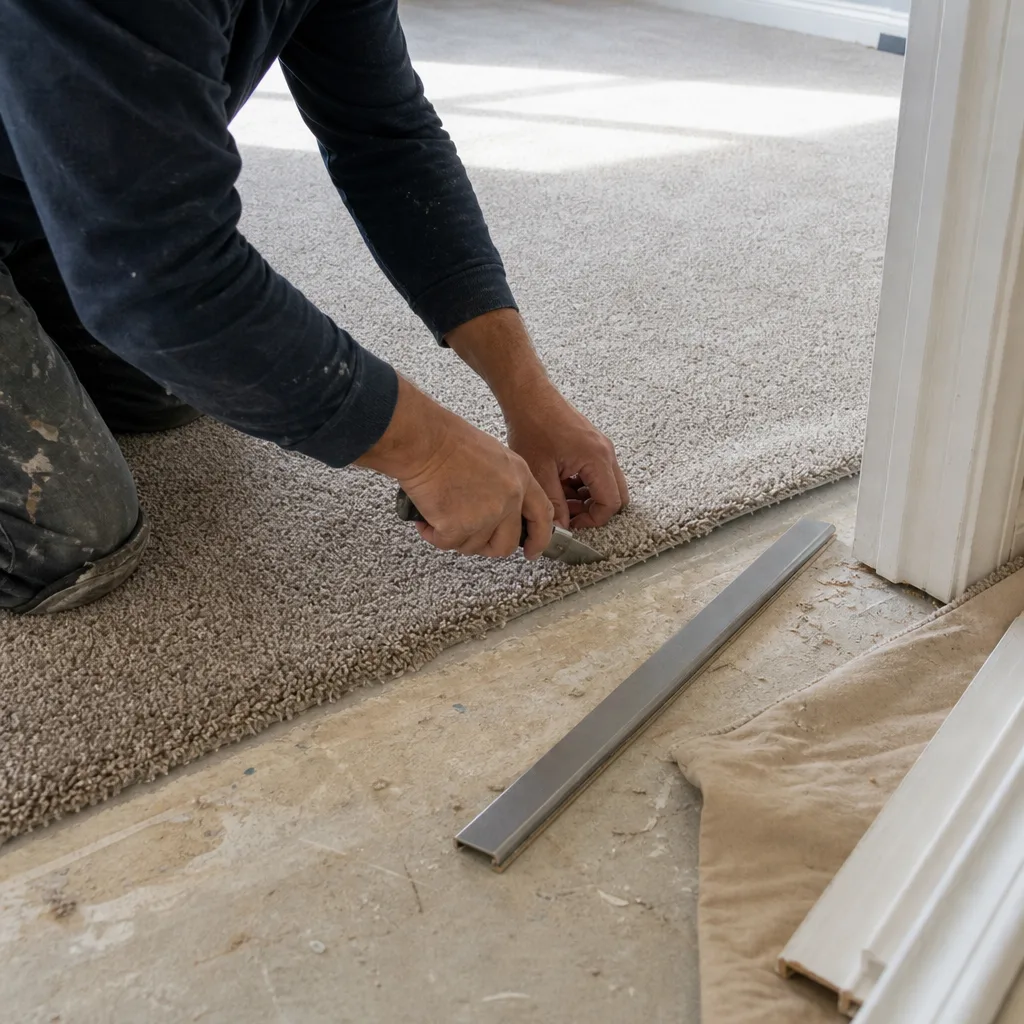
Carpet replacement is also a scheduling question in Spring Valley, since it’s often a single-day install once the old floor is removed. If the room is empty and ready, we can usually get it done with a clean, walkable result at the end of the day. That’s a welcome relief for anyone used to living around a renovation.
Why Vinyl Plank Buckles at West-Facing Sliding Doors
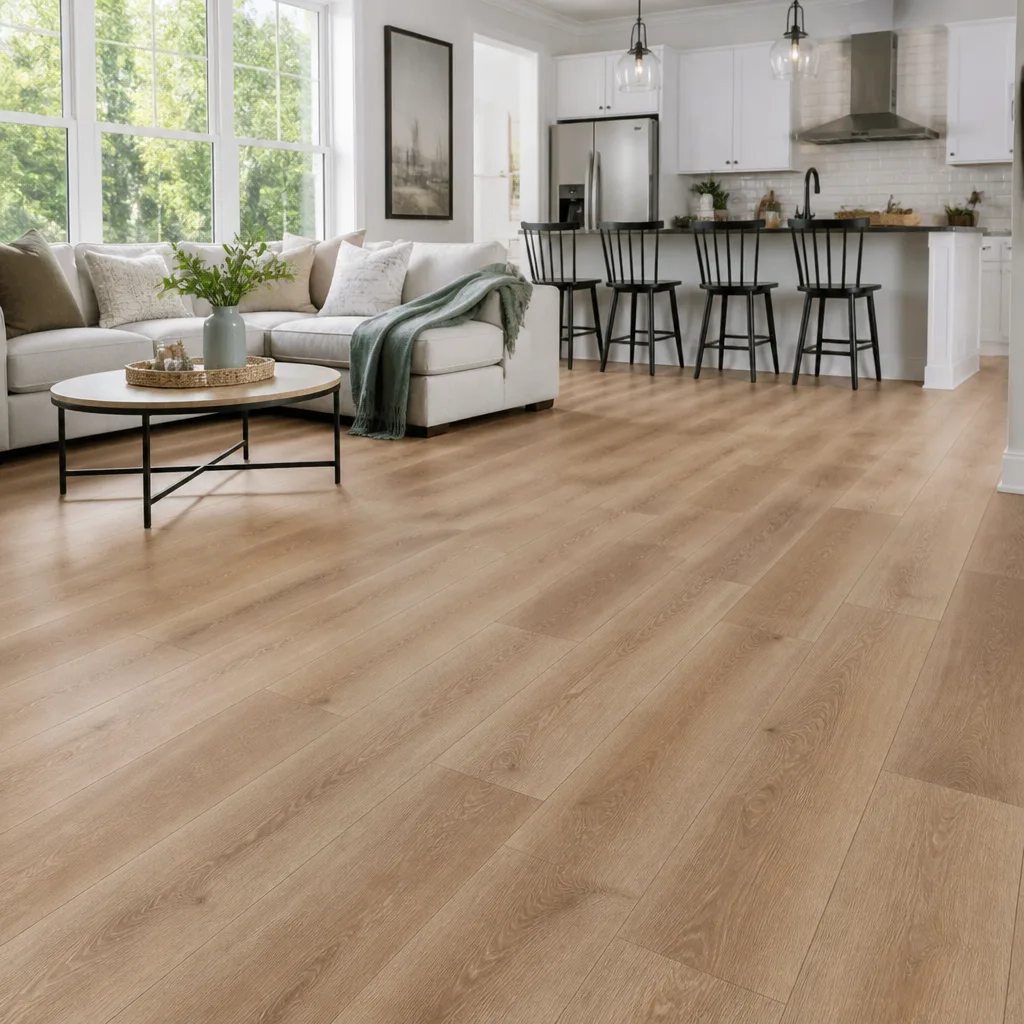
Luxury vinyl plank and luxury vinyl tile are excellent desert-climate floors for one simple reason: they don’t care about humidity. They don’t absorb moisture, they don’t shrink or swell with the seasons, and they handle spills without drama. Where they fail in Spring Valley isn’t moisture; it’s heat. And the failure point is almost always the same spot: a floor-to-ceiling west- or south-facing slider that gets blazing afternoon sun.
Here’s what happens. The sun heats the surface of the plank in the sun zone to a temperature far above the room’s air temperature. The plank in the sun expands slightly along its length. The plank under the shade of the sofa doesn’t. If the floor was installed tight to the wall or with too little expansion room at the perimeter, that extra length has nowhere to go; the seams start to lift, the edges start to buckle, and a floor that was installed “correctly” comes up anyway. The fix at install time is simple: leave proper expansion space at every perimeter and under door casings, follow the manufacturer’s minimum gap, and use transition strips and trim to cover the gap. The mistake is squeezing the floor to the wall so the baseboard looks tight; that tight look is what causes the buckle.
For homes with large glass and heavy sun, a few picks worth knowing:
- LifeProof is a solid choice for a busy Spring Valley household, including pet owners, because the surface and wear layer are built for daily traffic.
- COREtec is our go-to when we’re installing over a concrete slab and want a built-in backing; the attached underlayment handles minor slab texture and adds a bit of resilience.
- Karndean is where we point homeowners who want a designer look and are willing to pay for it; the visuals are excellent, and the finish level shows in the room.
Homeowners who’ve already done their research usually walk in knowing they want LifeProof or COREtec; that’s fine. We stock those brands precisely because the research ends here. The job then becomes matching the product to the room and, on sun-facing walls, handling the perimeter details correctly during install.
Room-by-Room Flooring Recommendations for Spring Valley
One floor for an entire house is not the always right answer in a Spring Valley home. Different rooms run different temperature, humidity and traffic patterns, and matching the material to the room is usually cheaper than forcing one product to perform in places it was never meant for. Here’s the pattern we recommend most often.
- Living room, family room, hallways: engineered hardwood, or a quality LVP if you want the lowest-maintenance option. These spaces see traffic all day and get the most sun exposure.
- Kitchen and bathrooms: porcelain tile. No wood floor is a great match for a room with frequent standing water, and vinyl tile is a reasonable second choice where the budget is tight.
- Primary bedroom and closets: carpet installation with a quality pad. Comfortable, quiet, and stable in the dry indoor environment.
- Sun-facing glass areas: any of the above, but with the perimeter expansion allowance set correctly and heavy window coverings or shade overhang if the sun load is high.
- Slab-on-grade rooms: tile, engineered hardwood (with a moisture barrier), or vinyl plank over an appropriate underlayment. Solid hardwood over a slab is a conversation, not a given.
- Already have hardwood? If it’s structurally sound, refinish before you replace. We’d rather save a floor you own than sell you a floor you don’t need.
A couple of real Spring Valley neighborhood notes: homes in the newer developments, with more floor-to-ceiling glass and open plans, usually benefit from a slightly more aggressive perimeter gap because the sun load indoors is higher. Homes with smaller windows and more wall can get away with tighter details, but the wider gap is never the wrong call.
Common Mistakes to Avoid
- Assuming the standard 48-hour acclimation applies here. It doesn’t. Dry desert air moves moisture out of new flooring far faster and more unevenly than manufacturers expect; give solid wood a full week before install and verify moisture readings have stopped moving.
- Skipping the concrete slab moisture check. Spring Valley homes on slab foundations are common, and slab moisture is the #1 cause of cupping we see. Insist on the reading before any adhesive or underlayment goes down.
- Picking solid hardwood for a room with wide facing glass. The sun and the dry air hit the same floor; wood needs acclimation, perimeter expansion room and humidity control to survive that combo.
- Installing vinyl plank tight to the baseboard. The west-facing slider will do the rest. Leave the prescribed expansion gap; trim covers it and the floor survives the summer.
- Treating any water-resistant flooring as waterproof. LifeProof and COREtec handle spills and day-to-day moisture well, but standing water and moisture from below still have to be dealt with. No floor survives a plumbing leak if it’s left sitting.
- Buying the cheapest pad under mid-grade carpet. Pad is the difference between a walkable bedroom floor and a floor you want to replace in two years. It’s the cheapest upgrade in the whole job.
- Shopping on brand alone without matching the product to the room. Shaw, Mohawk, Karndean and the rest make good and great lines; the right pick depends on what’s happening in that specific room in that specific house. Match the room, then the brand.
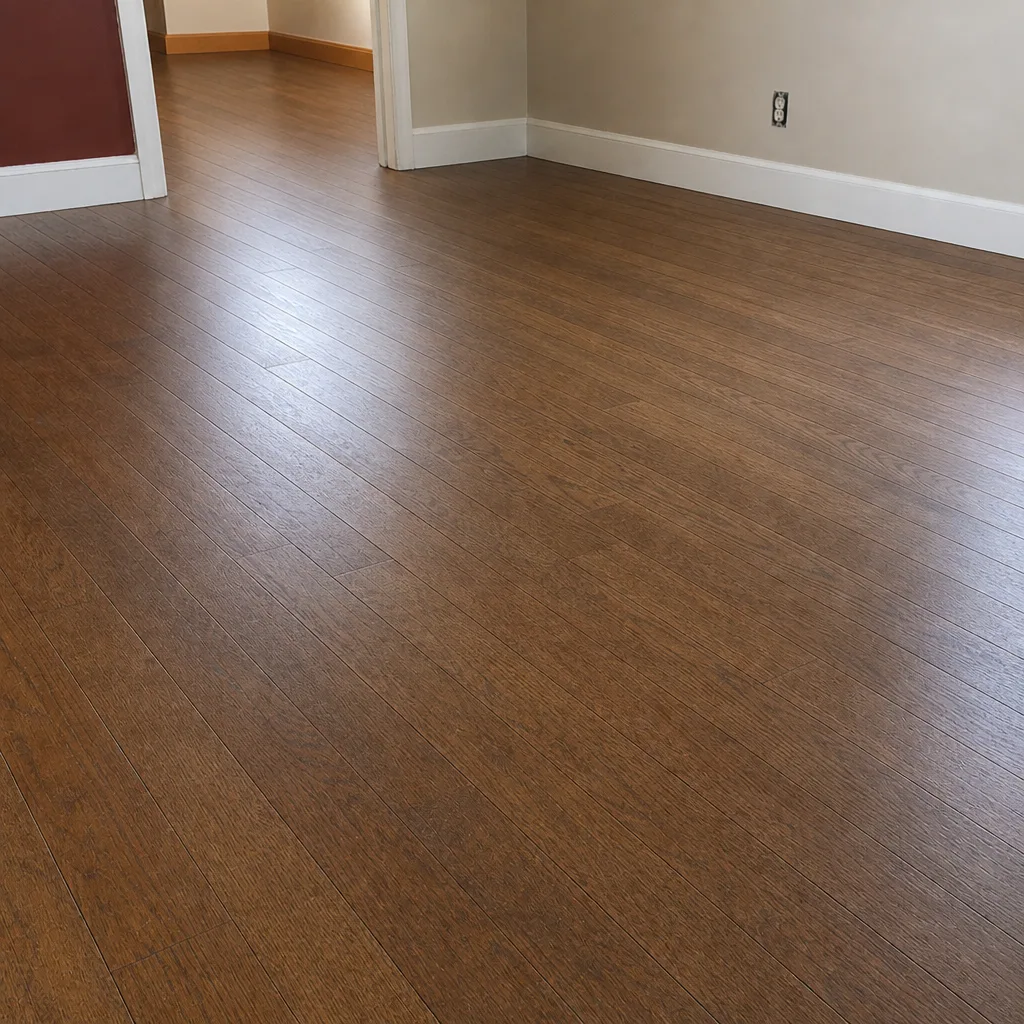
See the difference
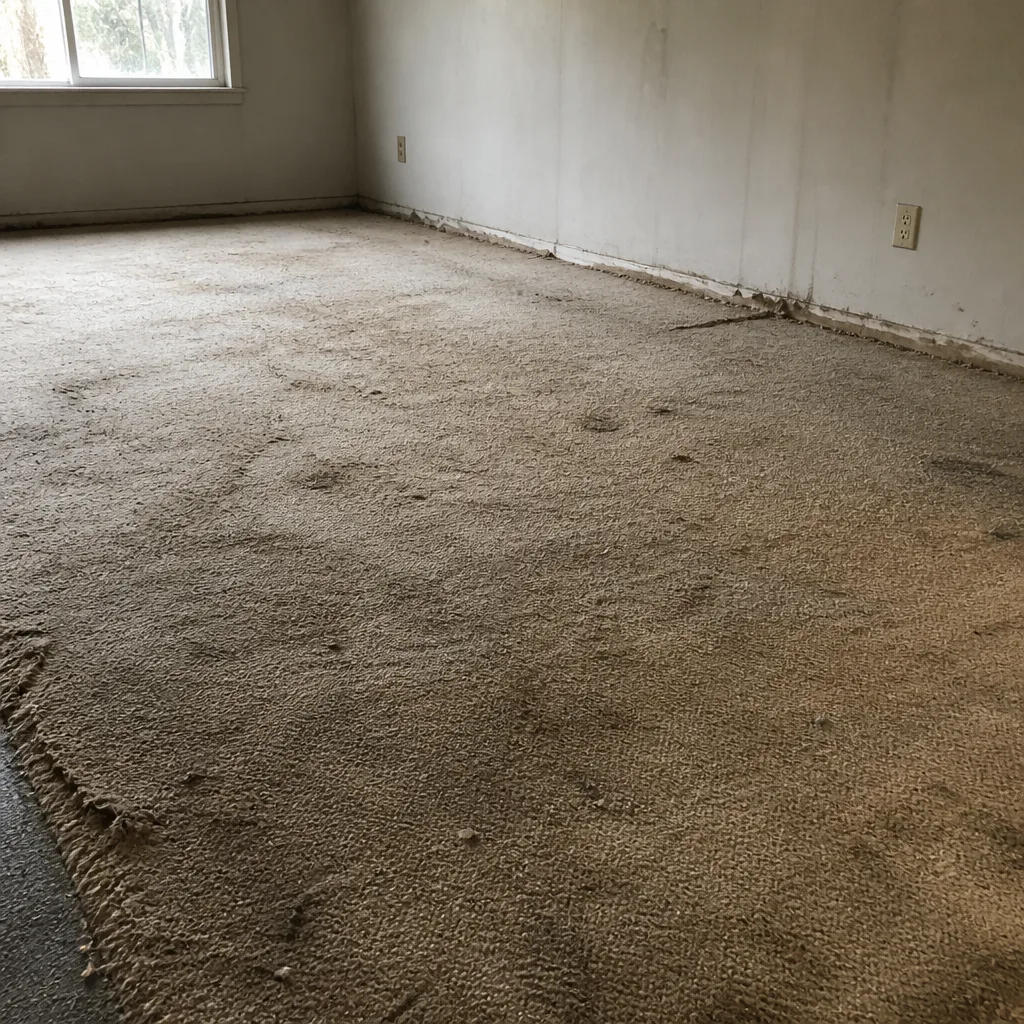 Before
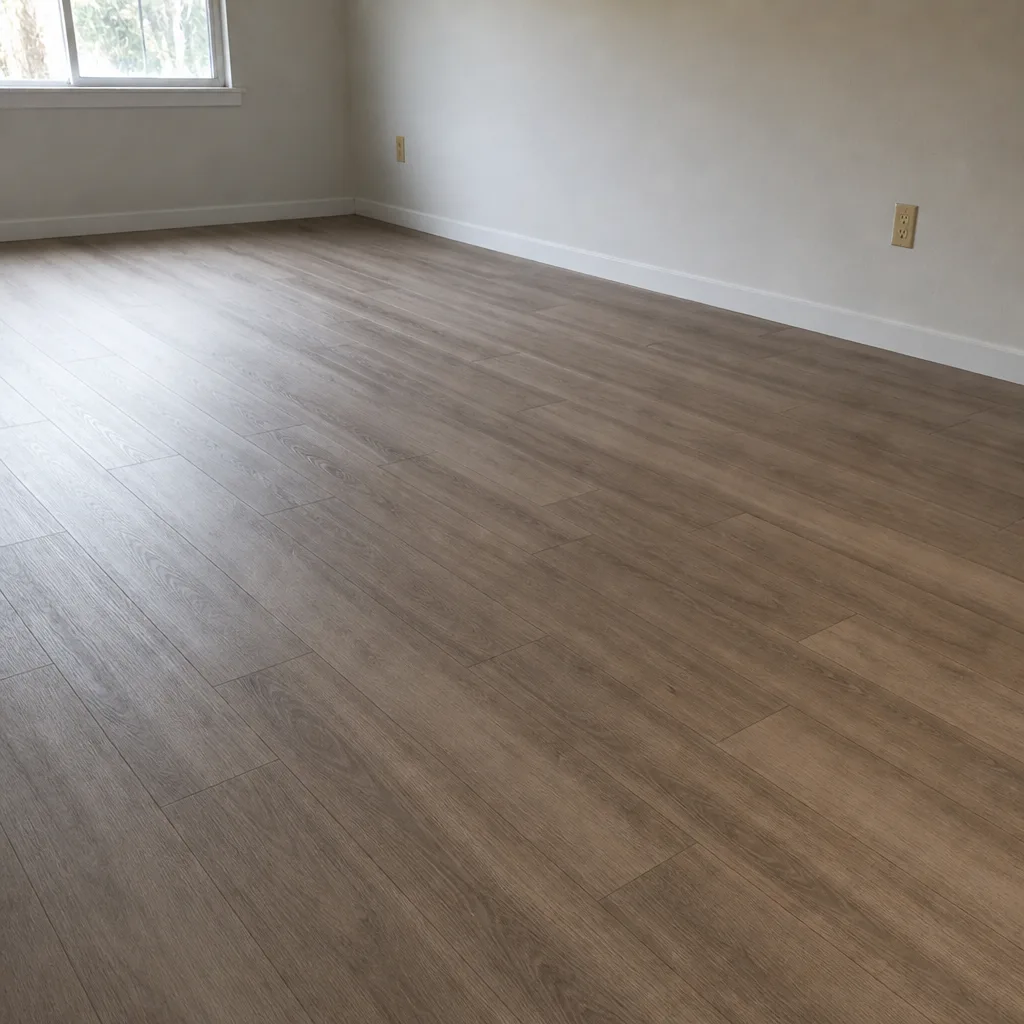 After
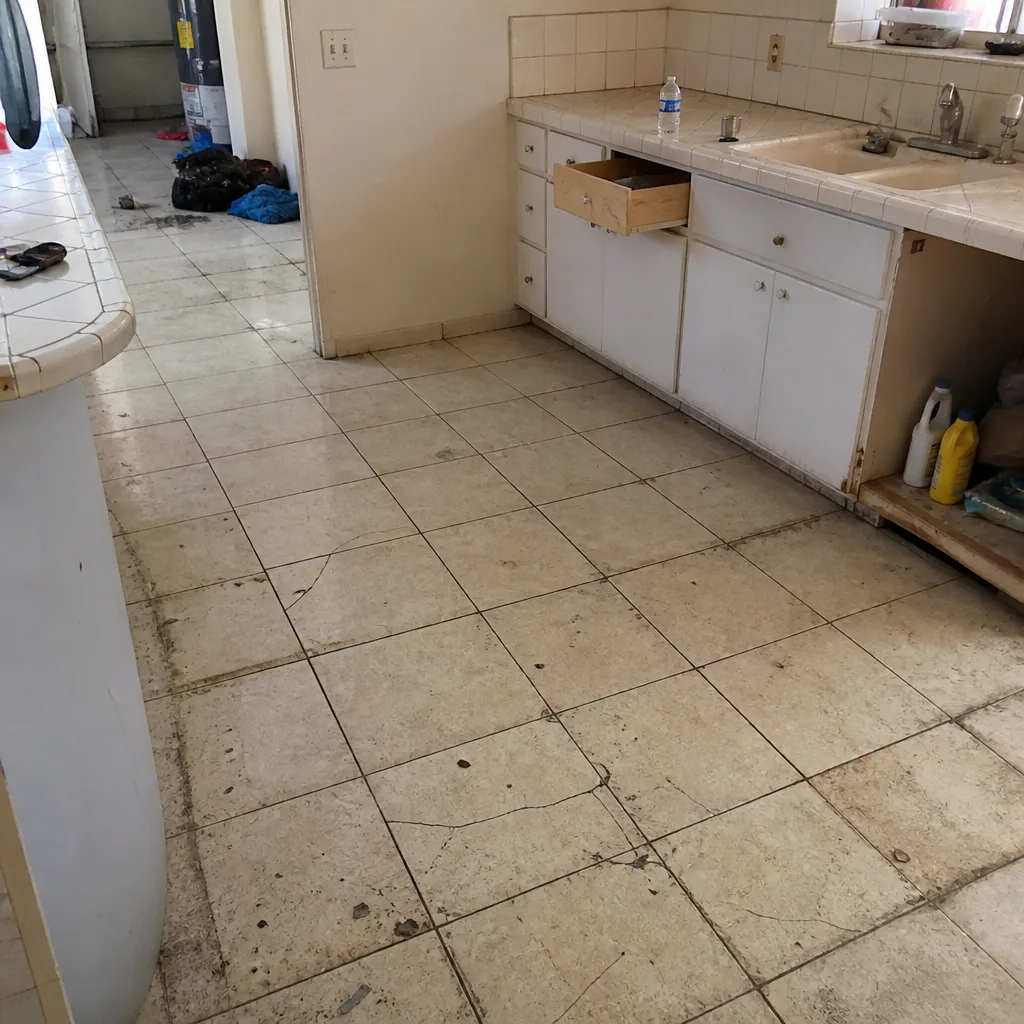 Before
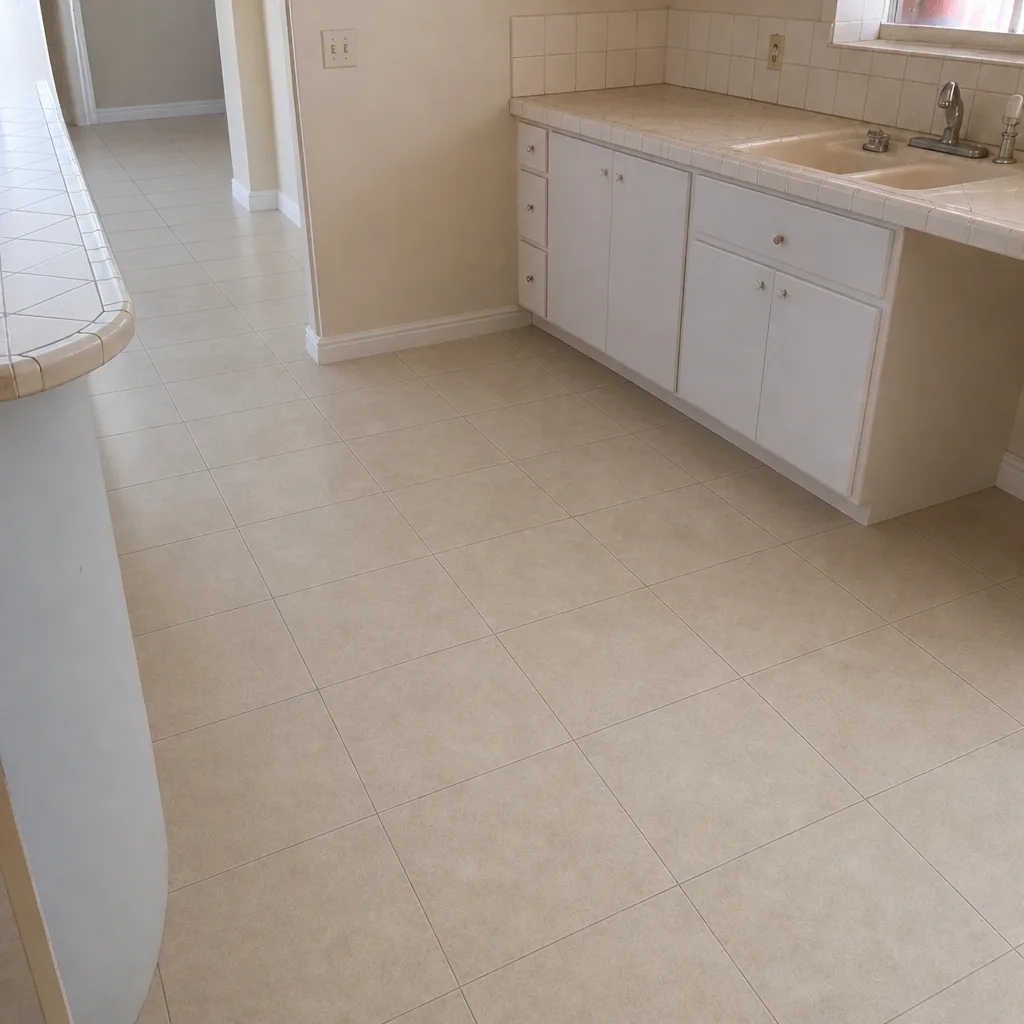 After
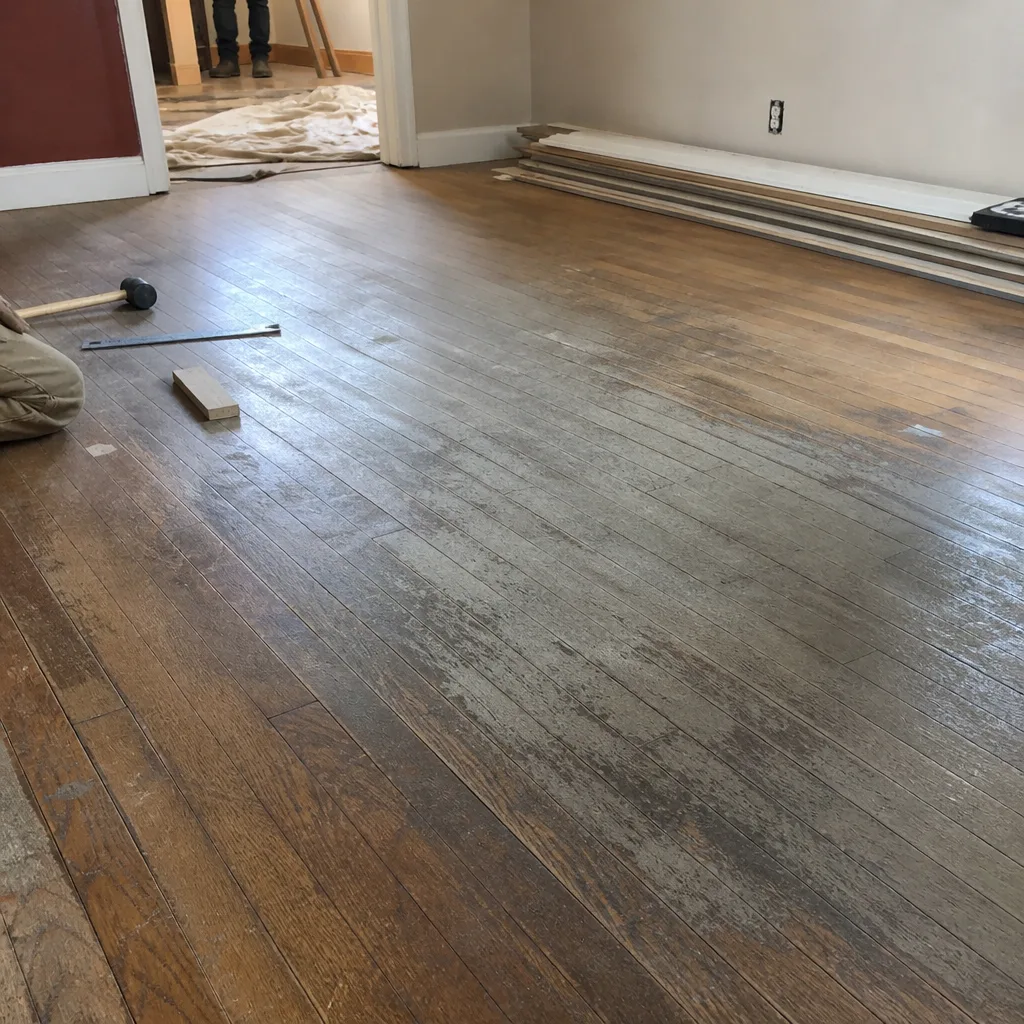 Before
 After
When to Call a Professional
Call a flooring professional if any of the following are true: your wood floor is gapping across multiple rooms, you’re seeing cupped edges, the finish is failing and you want to know whether refinishing is an option, or you’re planning a project over a concrete slab and you’re not sure the slab is dry. Spring Valley homeowners often try to diagnose a floor problem online first, and end up chasing the wrong cause (buying humidifiers for a floor that’s actually taking on moisture from below, for example). A free in-home measure gives you real answers instead of guesses. We don’t promise same-day installs, but we do give a written estimate and a scheduled install day: Flooring Spring Valley offers free estimates in Spring Valley. Our technicians have up to 14 years of experience, and we install across the full range of carpet, tile, and hardwood projects. Call (888) 350-5054 to book yours. We answer 24/7. Fast dispatch from 7am to 7pm, Sunday through Friday.
Frequently Asked Questions
Yes, engineered hardwood is generally the better choice here. Its cross-grain layered construction restrains the shrinking and swelling that solid hardwood goes through in a desert climate with 10 to 20 percent indoor relative humidity. Solid hardwood can succeed with a whole-home humidifier and careful acclimation, but engineered wood is the safer path in most Spring Valley homes. Call (888) 350-5054 for an exact quote; estimates are free.
Plan on three to seven days for solid hardwood, longer in winter, and a somewhat shorter window for engineered wood; the standard 48-hour guidance most manufacturers use assumes a more humid climate. The real answer is in the moisture readings: the floor is ready when the readings stop moving. Vinyl plank needs less time but still not zero. Call (888) 350-5054 to schedule a free measure and get a written estimate for your project.
Porcelain tile in an air-conditioned Spring Valley home can feel cool underfoot, and the effect is stronger in the morning. It’s a comfort issue, not a defect. The bigger practical concern is sun heating the tile near west- and south-facing sliders during summer afternoons; window coverings and shade structures help a lot. If cold tile is a dealbreaker, carpet in the bedroom and a washable rug or a heated mat in the kitchen are both practical workarounds.
Yes, carpet is one of the most stable flooring choices in a Spring Valley home because it doesn’t react to humidity swings the way wood and vinyl can. The main variable is the pad, not the climate; a decent pad under a mid-grade carpet will outperform a premium carpet over a bargain pad. Carpet is our usual recommendation for bedrooms and closets in this climate.
Almost always heat expansion in direct sun combined with an insufficient perimeter gap at install. West- and south-facing sliding doors get intense summer sun in Spring Valley, and if the floor was installed too tight to the wall, the expanding plank has nowhere to go and the seams buckle. A correct re-install leaves the manufacturer’s specified expansion space and covers it with trim.
Often yes, but not always, and it depends on the thickness of the wood and its overall condition. A floor with thick wear layer, no deep cupping and no structural damage is a strong candidate for refinishing rather than replacement. This is a standalone service we offer precisely because replacing a floor that can be saved is the expensive choice. We’ll check the thickness and condition at the free estimate and tell you honestly which route makes more sense.
The Bottom Line
Spring Valley’s climate isn’t an obstacle to a beautiful floor; it’s a filter. Choose materials that either don’t react to humidity swings or are built to handle them: engineered hardwood in main living areas, porcelain tile in kitchens and bathrooms, and carpet in bedrooms. Acclimate wood longer than the standard guidance says, check slab moisture before install, leave proper expansion room wherever the sun will hit a vinyl floor, and treat water-resistant the way it’s meant to be treated (as spill-tolerance, not standing-water tolerance). We install across nine brands, from Shaw and Mohawk to Karndean and Daltile, so we can match the floor to the room and the room to the budget. Call (888) 350-5054 for a free estimate; we’ll book a measure and give you a written price before any floor comes out of the box. We answer 24/7. Fast dispatch from 7am to 7pm, Sunday through Friday.
Written by the team at Flooring Spring Valley.