
Last updated November 18, 2026
 Hardwood
 Engineered hardwood
 Luxury vinyl plank
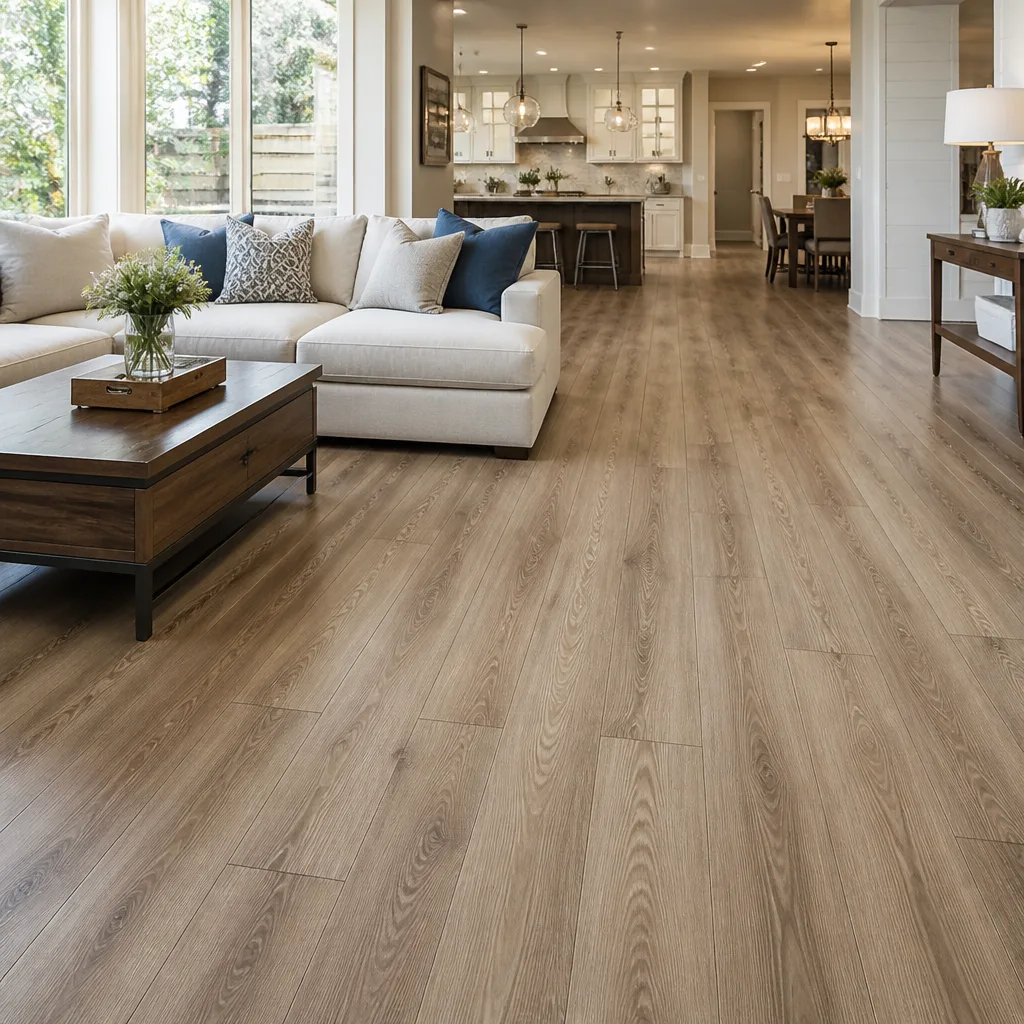 Laminate
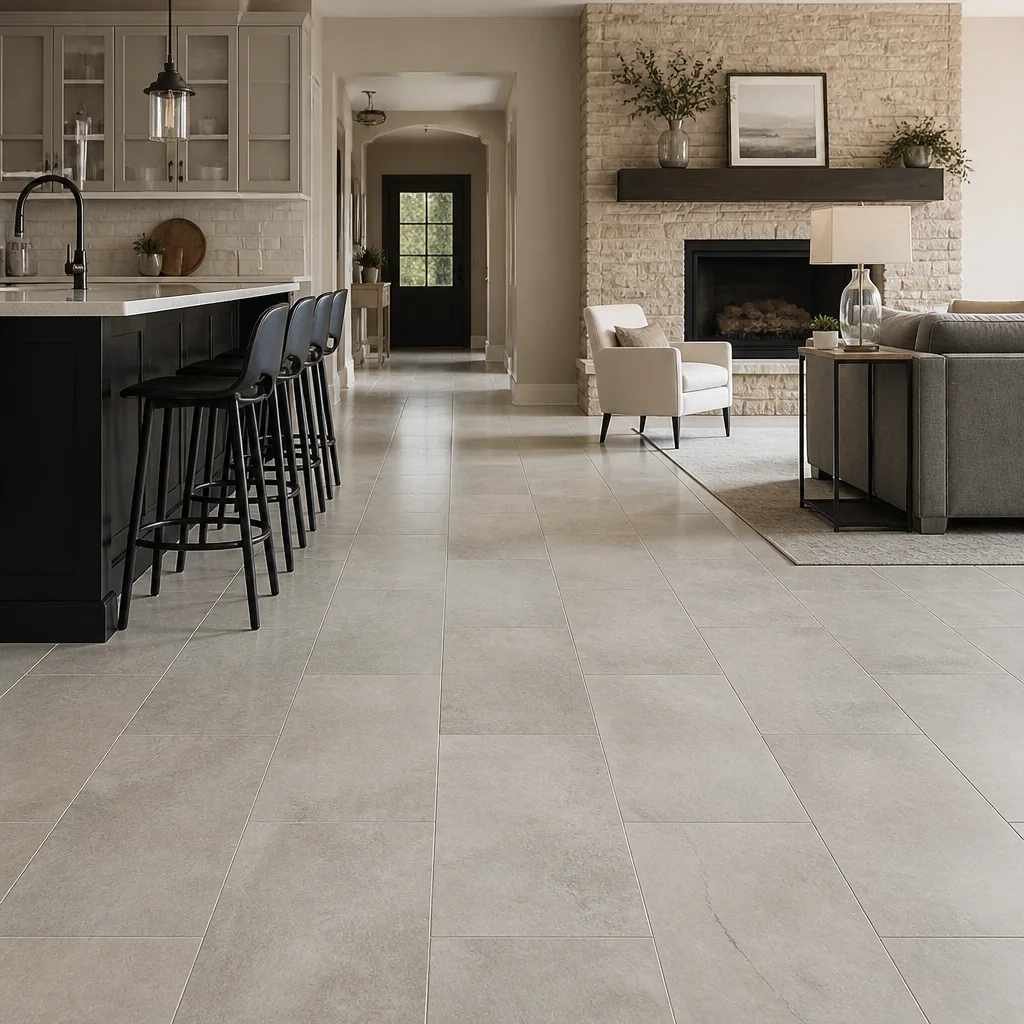 Porcelain tile
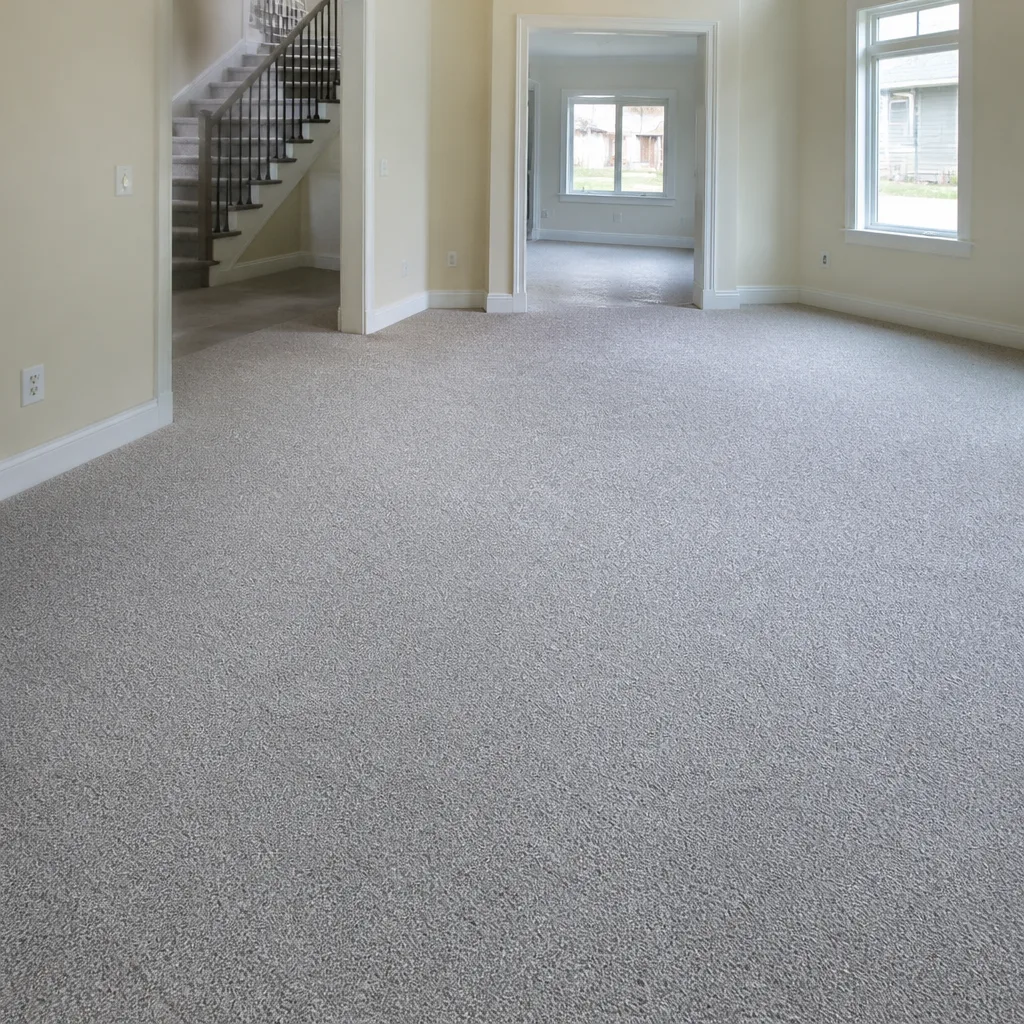 Carpet
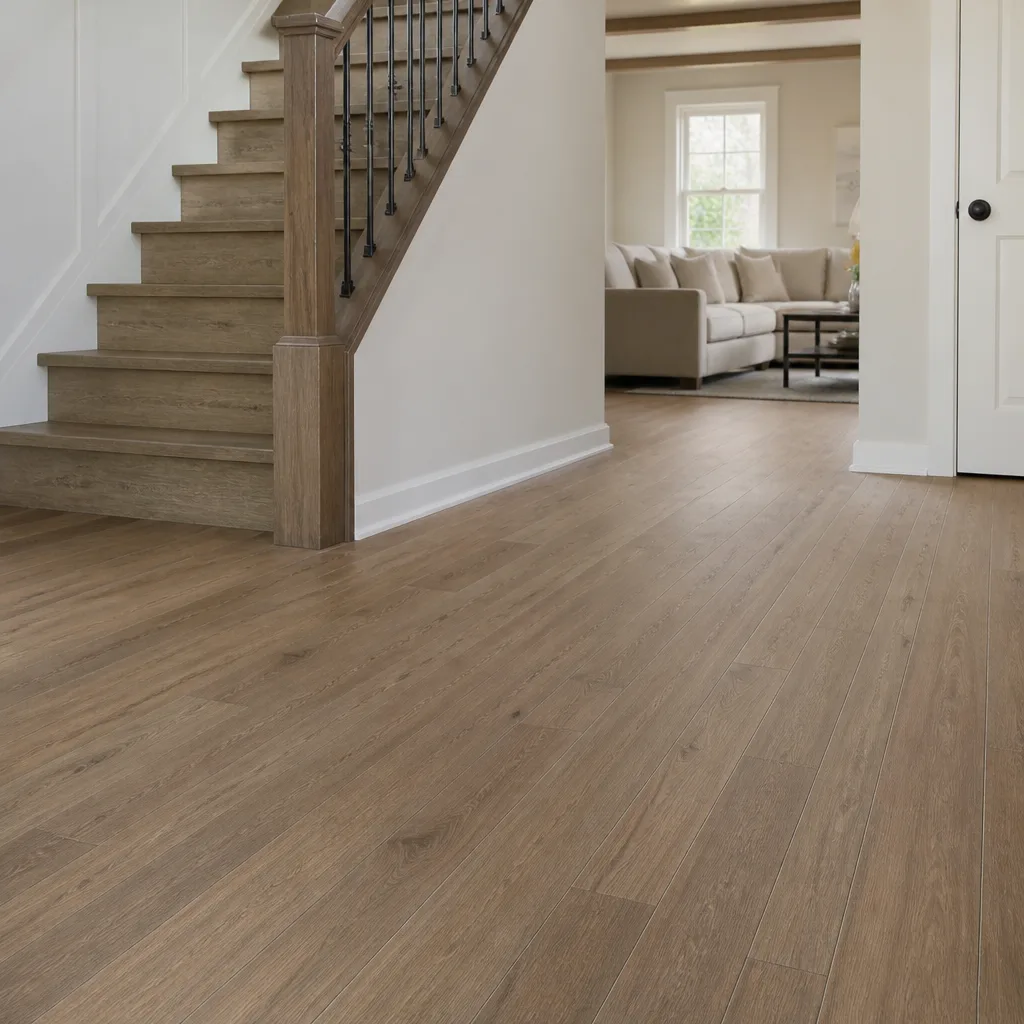 Shaw
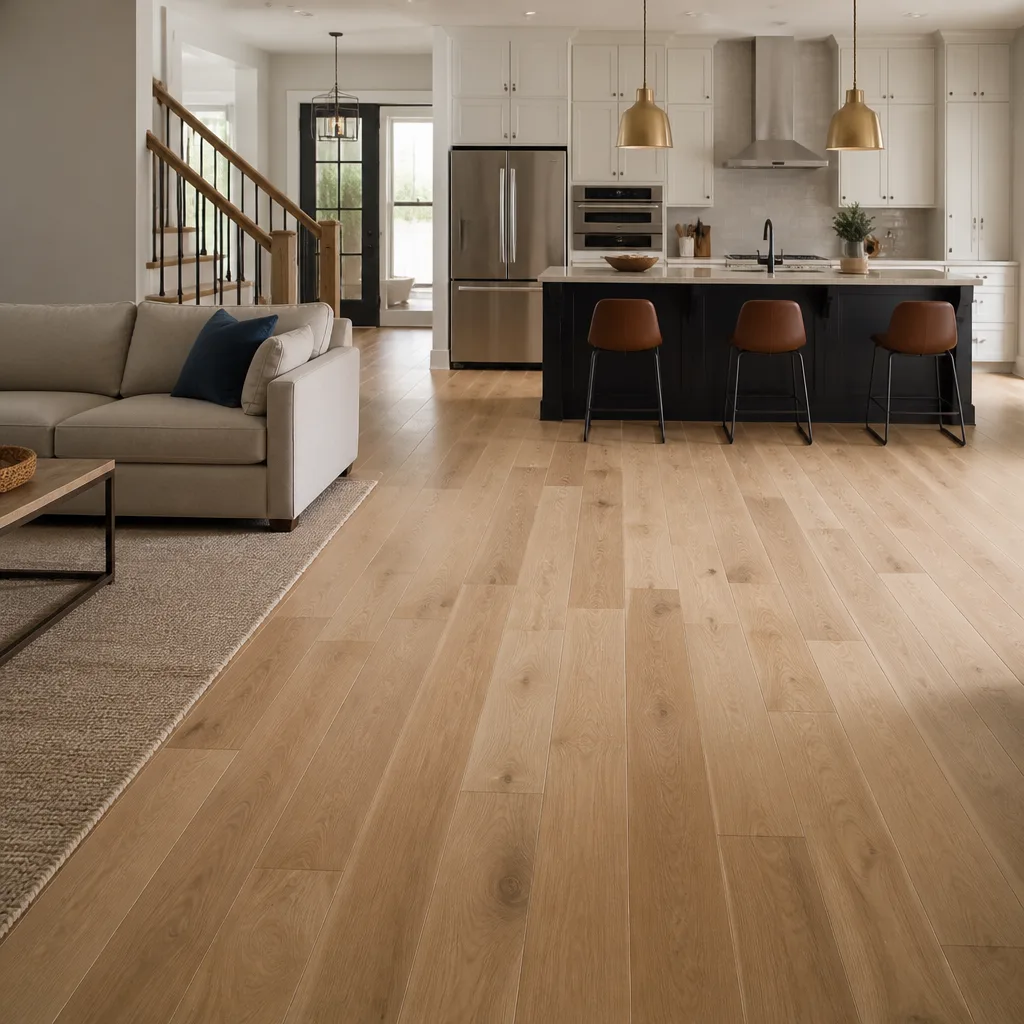 Mohawk
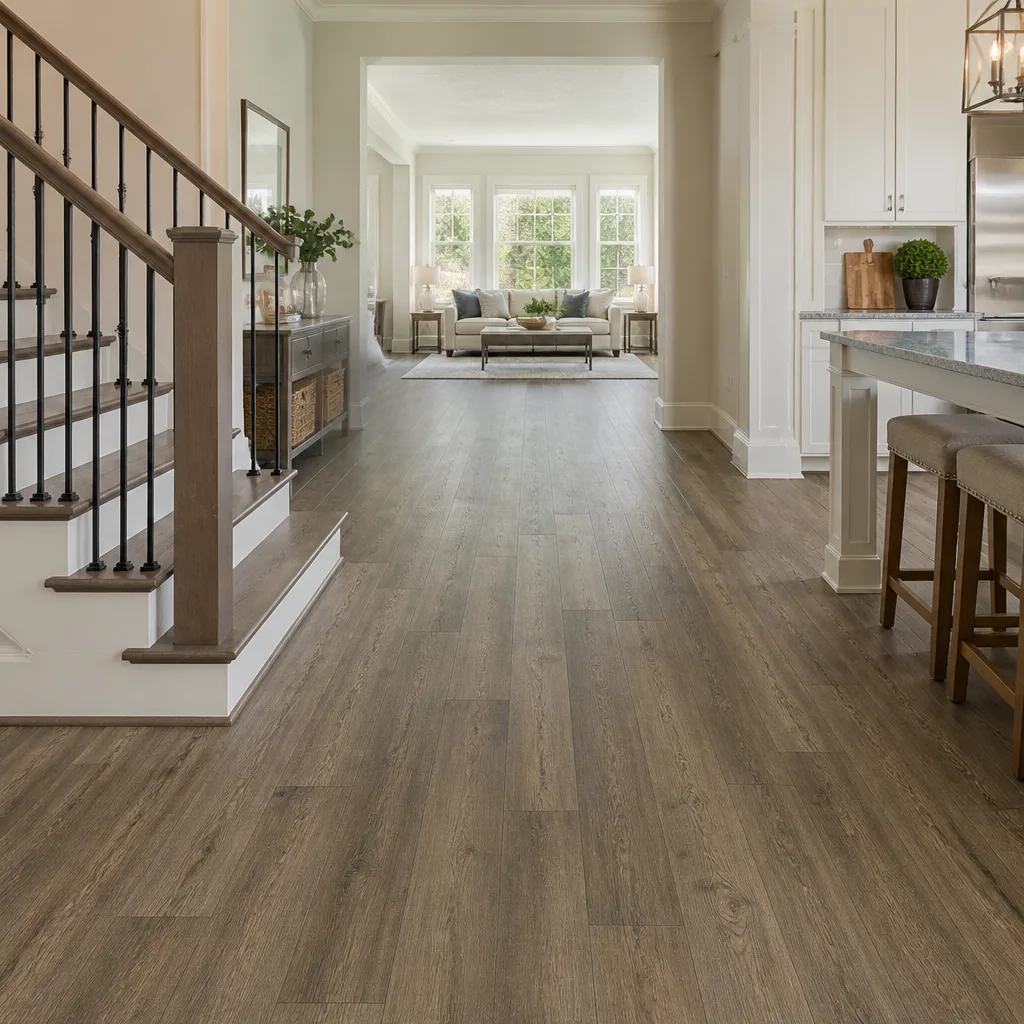 COREtec
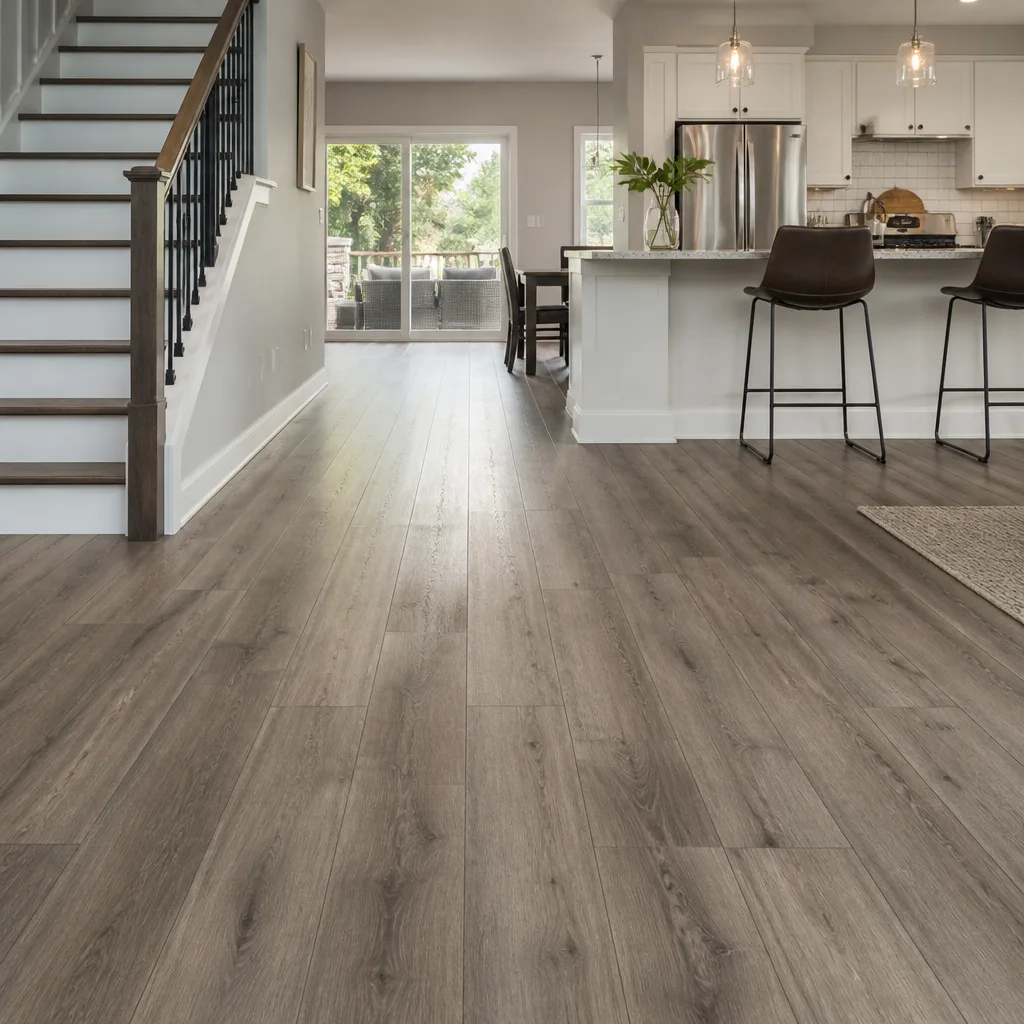 Pergo
Free in-home measure and written estimate: Shaw, Mohawk, COREtec and Pergo lines compared on your own rooms, with carpet, tile, vinyl plank, laminate and hardwood laid out side by side
Get your free estimateThe Complete Guide to Flooring in Spring Valley
Most homeowners here start with a saved folder of photos and finish with a floor that fights their foundation. That’s the trap: the boards that look perfect in a showroom display often behave differently once they’re glued or floated over a desert slab that expands and contracts through a year of dry heat and cool nights. Spring Valley sits in a climate that punishes the wrong choice, and the right choice usually isn’t the one on the nicest sample board. This guide walks through how local climate and construction change the conversation for carpet, tile, laminate, vinyl plank, and hardwood, and maps each material to the rooms and floor plans you actually live in.
Quick Answer
The best flooring for a Spring Valley home is the material that matches both the room and the slab underneath it: tile or water-resistant vinyl plank in kitchens, baths, and laundry rooms; carpet in bedrooms where you want warmth and quiet; and engineered or refinishable hardwood in living areas, provided the subfloor and moisture conditions are checked first. On slab-on-grade construction, that usually rules out solid hardwood below grade and makes acclimation and expansion gaps the deciding details. Start with a free in-home measure and estimate so the product list is built around your house, not a showroom display.
Styles & brands we work with
- Hardwood
- Engineered hardwood
- Luxury vinyl plank
- Laminate
- Porcelain tile
- Carpet
- Shaw
- Mohawk
- COREtec
- Pergo
Table of Contents
- How Spring Valley’s Desert Climate Affects Every Floor
- Why Slab-on-Grade Foundations Change the Hardwood Conversation
- Room-by-Room Compatibility Matrix for Spring Valley Homes
- What the Brand Tiers Actually Represent
- Carpet, Tile, and Hardwood Refinishing: What Each Service Involves
- How to Sequence a Whole-Home Flooring Project
- What Flooring Costs in Spring Valley
- Common Mistakes to Avoid
How Spring Valley’s Desert Climate Affects Every Floor
Low humidity is the single biggest factor in how flooring performs in Spring Valley. Wood and wood-based products take on and release moisture from the air, and in a desert climate they sit on the dry end of that range for most of the year. Then summer arrives, the air conditioning runs hard, and the indoor humidity can swing again. Every material responds differently to that pattern, and knowing which ones move and which ones don’t is the first filter on your shortlist.
Here’s how the main categories behave:
- Hardwood and engineered wood: Both expand and contract with seasonal moisture. In Spring Valley, the risk is usually shrinkage in the dry months, which shows up as small gaps between boards. Engineered products handle this better than solid because the cross-ply core resists movement.
- Laminate: A wood-fiber core behaves much like hardwood, so it needs room at the perimeter and a stable indoor humidity level. Leaving a house closed up through a hot stretch without climate control is harder on laminate than on tile.
- Vinyl plank: Far more dimensionally stable, which is why it holds up so well in Spring Valley homes. Water-resistant lines suit kitchens and baths, but standing water and moisture coming up from the slab still have to be dealt with before anything goes down.
- Tile: Essentially unaffected by humidity swings. It’s the most predictable surface in this climate, which is one reason it dominates entryways, kitchens, and bathrooms across the valley.
- Carpet: Doesn’t expand or contract the way wood does, but dry static is more noticeable in low humidity, and the pad underneath needs a clean, dry slab.
None of this means hardwood is a bad choice in Spring Valley. It means the product has to be selected and installed with the local climate in mind, and that the indoor environment should stay reasonably consistent year-round. The product instructions and the written estimate set the specifics for your floor.
Why Slab-on-Grade Foundations Change the Hardwood Conversation
Most homes in Spring Valley are built on slab-on-grade foundations, and that single fact reshapes the hardwood decision. Solid hardwood needs to be nailed to a wood subfloor, and over concrete there’s nothing to nail into. You can build up a plywood subfloor first, but that adds height and cost, and it introduces a moisture barrier question that has to be answered properly. For most slab homes, the realistic hardwood options are engineered wood that can be glued or floated, or keeping the floor you already have and refinishing it.
Moisture is the other half of the story. Concrete slabs wick moisture from the ground, and in a desert climate that moisture can be present even when the surface feels bone dry. Every manufacturer sets its own limits for how much moisture a slab can carry before a floor goes down, and those limits are checked with a meter at the estimate visit, not guessed at. Skipping that step is how floors cup, buckle, or come loose a season later.
A few practical points for slab homes in Spring Valley:
- Ask for a moisture check on the slab before any wood, laminate, or vinyl plank is scheduled. It’s a quick test and it prevents expensive callbacks.
- If you already have hardwood over a slab and it’s in decent shape, refinishing is often the smarter first conversation than replacement. It keeps the floor you have and skips the subfloor question entirely.
- Tile and carpet are both well suited to slab installation, which is part of why they’re so common in local homes.
- Transition heights matter. Adding a subfloor to support solid hardwood can create a step at doorways and where the floor meets tile or carpet.
When you’re ready to talk through options for a specific room, Flooring Spring Valley can measure the space and check the slab before anything is ordered.
Room-by-Room Compatibility Matrix for Spring Valley Homes
Typical Spring Valley floor plans share a lot: an open kitchen and family room, a formal or flex space near the entry, a hallway that runs the length of the house, and bedrooms clustered at one end. Each of those zones has different traffic, moisture, and comfort needs, and matching the material to the room is how you avoid redoing a floor twice. Here’s how the main categories line up.
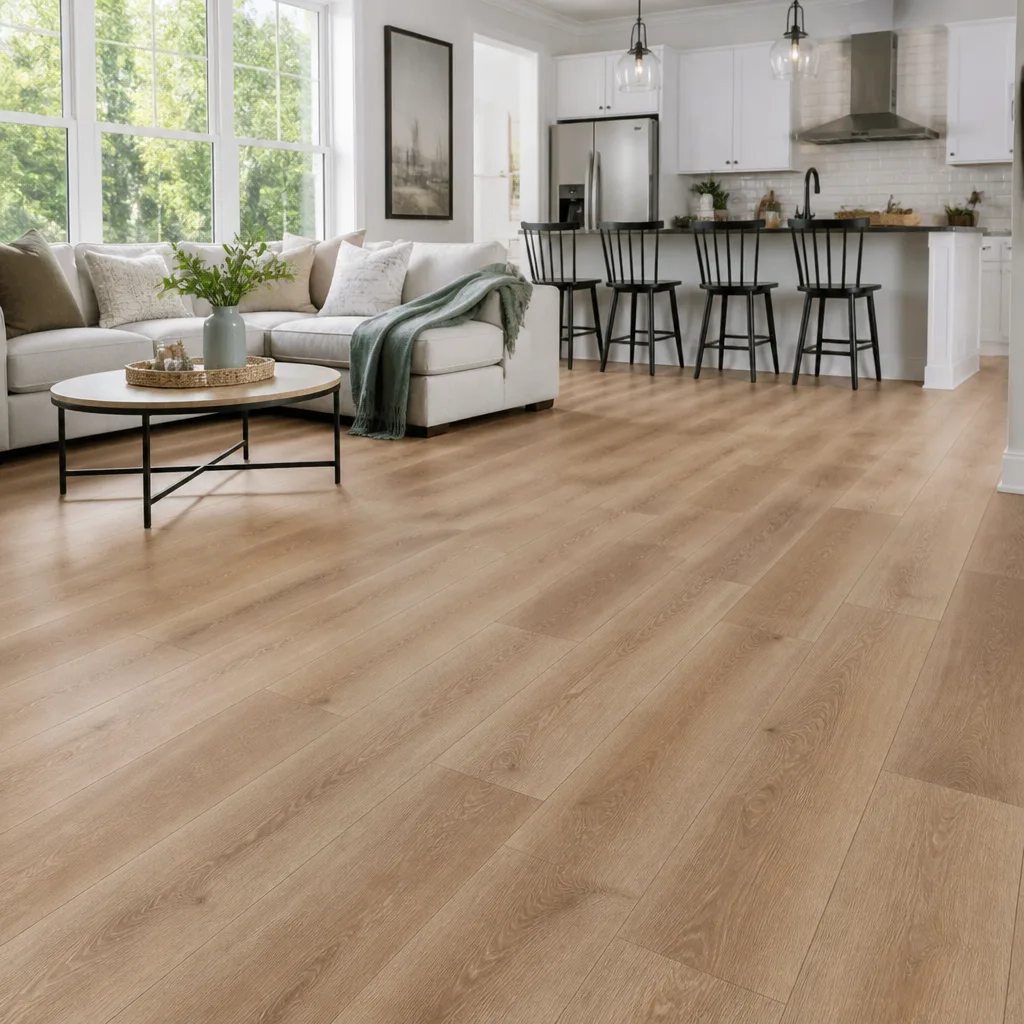
- Kitchen and family room: Tile is the most forgiving in this climate, especially with heavy foot traffic and the occasional spill. Water-resistant vinyl plank is the other strong choice for a warmer feel underfoot. Hardwood works if you’re prepared to manage moisture and accept that a busy kitchen will show wear over time.
- Bathrooms and laundry: Tile is the default. Vinyl plank in a water-resistant line is a reasonable option for a powder room or a half bath, but standing water and slab moisture still need to be handled first. Carpet has no place in a bathroom.
- Bedrooms: Carpet is still the best answer for warmth, quiet, and comfort underfoot in Spring Valley bedrooms. If allergies or pets are a concern, talk through the carpet and pad options at the estimate rather than assuming one type fits everyone.
- Hallways and entries: These take the most concentrated traffic in the house. Tile or a durable vinyl plank holds up better than carpet in a long hallway, and hardwood will show wear first in exactly these spots.
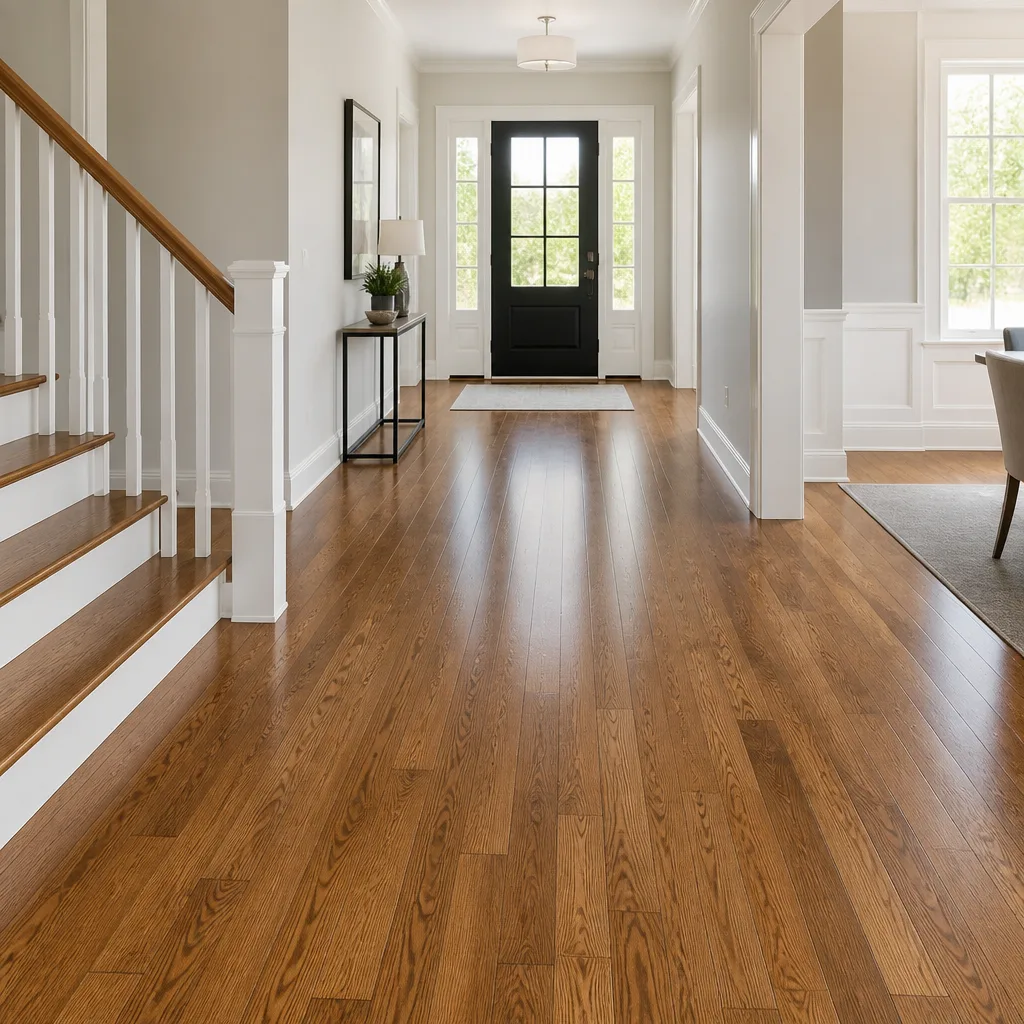
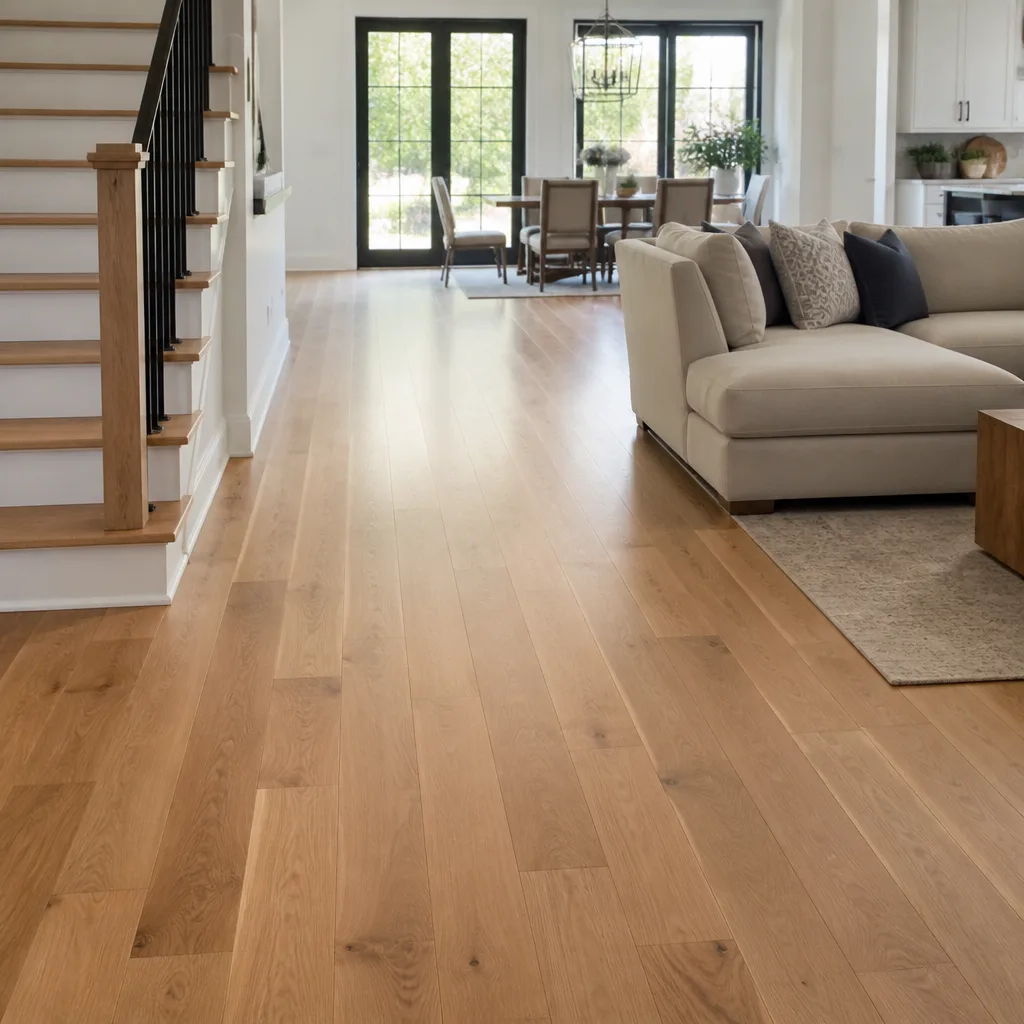
- Formal living or flex rooms: This is where hardwood or engineered wood earns its place. It’s lower traffic, it’s the space you see first, and it’s the room where a real wood floor makes the biggest difference to how the home feels.
- Stairs: Carpet on stairs is quieter and safer underfoot; hardwood stairs are more durable but need careful installation at the nosings. Either way, this is a spot where the material has to be planned with the adjacent floor, not after it.
If you want to compare the softer side of the house in more detail, our page on carpet installation covers fiber choices and pad selection. For wet rooms and high-traffic zones, the tile flooring installation guide walks through the process from subfloor prep to grout.
What the Brand Tiers Actually Represent
Brand names get thrown around a lot in flooring, and it’s easy to assume a logo on a sample means a better floor. What the tiers actually represent is a range of construction quality, wear layer, and intended use, and the right tier depends on the room and the household, not on which name sounds most impressive. We install and service the floor you choose from nine brands, spanning carpet, vinyl plank, laminate, hardwood, and tile.
Here’s how to think about the tiers in practical terms:
- Accessible lines: Armstrong and Pergo sit at price points that make sense for rentals, secondary rooms, or a budget-driven refresh. They’re solid, established products; the trade-off is usually in the wear layer and the visual depth of the design.
- Premium vinyl and luxury plank: Karndean and COREtec sit at the top of the vinyl category, with thicker wear layers and more detailed visuals. If you want a designer-level finish in a kitchen or a finished basement, this is where that conversation starts.
- Broad residential lines: Shaw and Mohawk cover carpet extensively, plus hard surfaces, and Mannington rounds out the mix with strong options across categories. These are the workhorses of a whole-home project.
- Tile supply: Daltile gives tile customers access to a commercial-grade supplier with deep SKU selection, which matters on large-footprint projects where consistent availability and lot matching count.
The honest version: a mid-tier product in the right room will outperform a premium product in the wrong one. Wear layer and construction matter more than the label, and the written estimate should spell out exactly what you’re getting. Ask what the wear layer is, how the product is rated for the room, and what the manufacturer’s documentation says about installation over your specific subfloor. If you want a full picture of the local market, our Spring Valley page covers the area we work in.
Carpet, Tile, and Hardwood Refinishing: What Each Service Involves
Three services cover the vast majority of residential flooring decisions: new carpet, new tile, and refinishing existing hardwood. Each one has its own rhythm, and knowing what the process looks like helps you plan around it. Our technicians have up to 14 years of experience across all three, and every job starts with a free in-home measure and estimate before a single product is ordered.
Carpet Installation
The process starts with measuring the room and checking the subfloor for flatness and moisture. Carpet and pad are selected together, because the pad is what gives the carpet its feel and its longevity. Old flooring and tack strip come out, the subfloor is cleaned and prepped, new tack strip goes down, and the carpet is stretched and trimmed. Furniture moving and disposal of the old material are details to confirm at the estimate, not after.
Tile Flooring Installation
Tile is the most prep-dependent of the three. The slab has to be flat and clean, cracks and low spots have to be addressed, and the layout has to be planned so the cuts land where they’re least visible. Then comes thin-set, tile, grout, and curing time before the floor can take foot traffic. Large-format tile and a big open floor plan raise the stakes on layout planning, which is where the Daltile supply relationship helps on bigger projects.
Hardwood Floor Refinishing
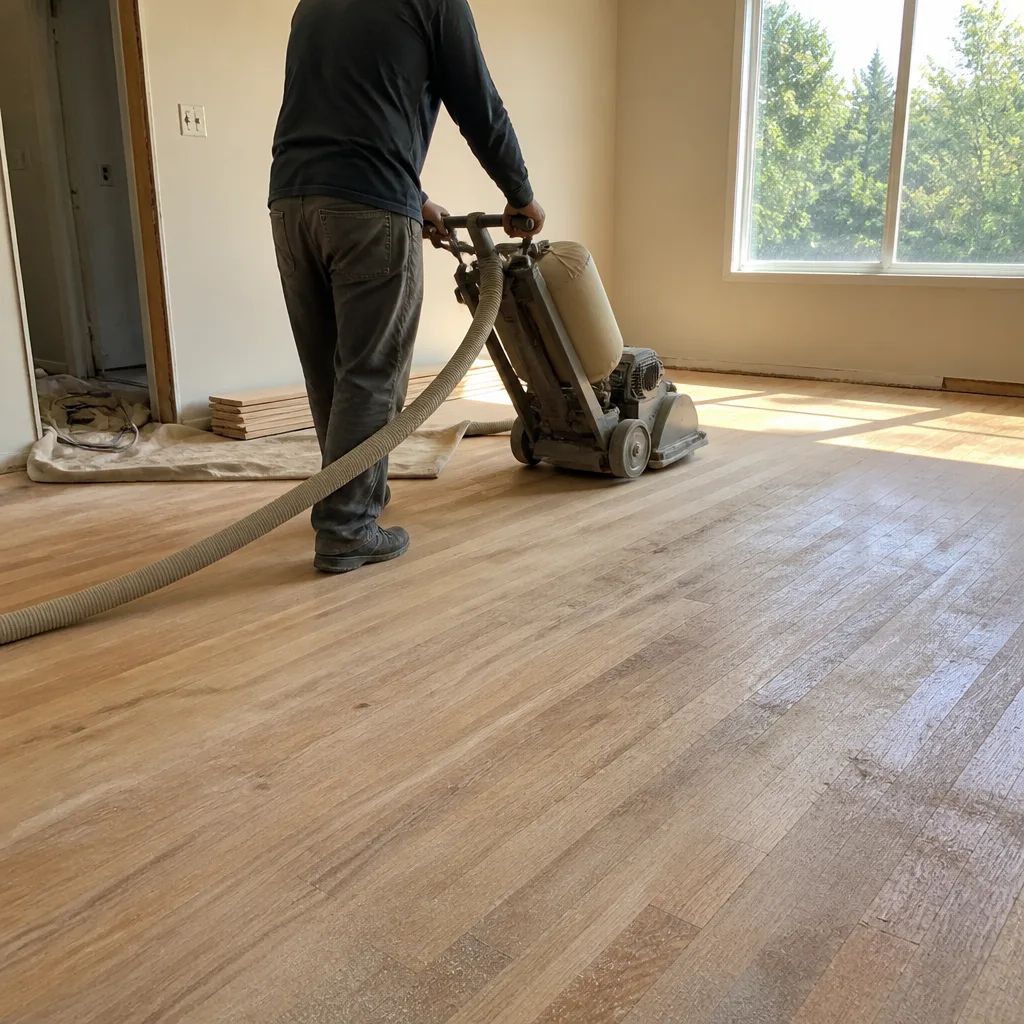
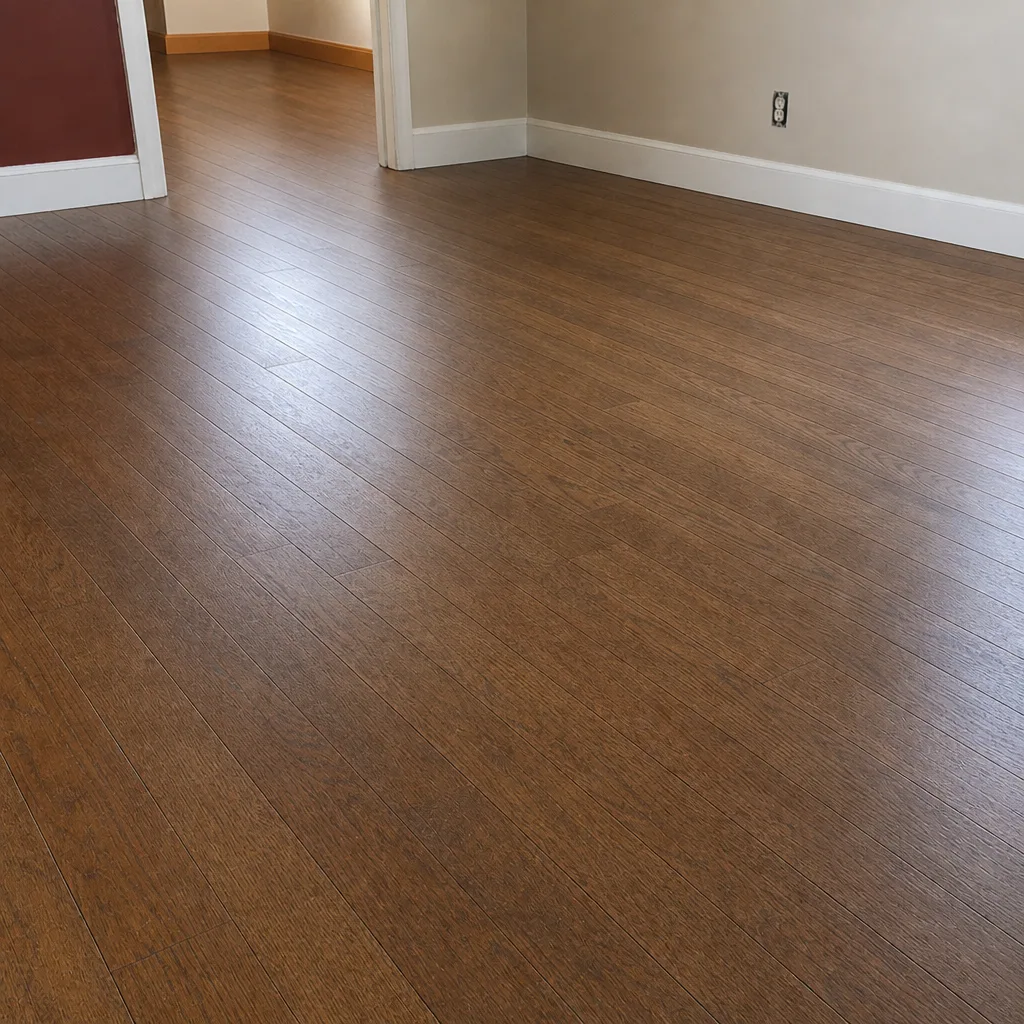
Refinishing is a standalone service, and it’s often the smart first conversation for a home that already has wood floors. The process is sanding the existing finish down to bare wood, repairing any damaged boards, staining to the color you want, and applying new finish coats. Whether a given floor can be refinished at all depends on the thickness of the wood and its condition, which is checked at the estimate visit. A stain can’t be guaranteed to match a sample exactly; the wood’s species and condition determine the result. This is the option that extends the life of the floor you already have and skips the cost of full replacement, and it’s something many flooring shops don’t offer.
How to Sequence a Whole-Home Flooring Project
Order of operations is where whole-home projects go wrong. Install the wrong floor first and you’ll pay for it twice: once for the original install, and again when it has to come out to make way for something else. The sequencing below is the one we recommend most often, and it’s built around minimizing rework and protecting finished surfaces.
- Start with the estimate, not the purchase. Have every room measured and every subfloor checked before you commit to a single product. The written estimate is what locks in the price.
- Handle the wet rooms first. Kitchens, bathrooms, and laundry rooms are the most moisture-exposed and the most disruptive to work around. Getting tile or water-resistant plank done first means the messy plumbing and appliance work happens before the softer floors go in.
- Do the high-traffic hard surfaces next. Entryways, hallways, and the main living area are where the durable materials belong. Finishing these before carpet means you’re not hauling material across new carpet.
- Save carpet for last. Carpet in bedrooms and closets is the finishing layer. It goes in after everything that generates dust, debris, or foot traffic, and it should be the last thing protected, not the first thing installed.
- Book refinishing around the rest of the work. If you’re keeping existing hardwood, schedule the sanding and finishing so it doesn’t get walked on or dusted over while other trades are still working. Refinishing is best done when the room can be closed off.
- Plan transitions and door clearances up front. Different floor heights at doorways and the way the floor meets the carpet or tile next to it should be decided before installation, not improvised on the day.
- Confirm the schedule in writing. Get the install dates and the order of rooms spelled out on the estimate so everyone is working from the same plan.
If the home is older and the floors are unknown, a quick walk-through before the estimate is worth the time. That’s the moment to find out whether you’re refinishing or replacing, and it’s the difference between a smooth project and a rescheduled one.
What Flooring Costs in Spring Valley
Flooring prices in Spring Valley depend on the material, the square footage, the condition of the subfloor, and whether old flooring needs to come out. Every job is priced per job by a written estimate, and the estimate sets the final price. The ranges below are typical for this market and give you a realistic place to start the conversation.
| Service | Typical estimated range |
|---|---|
| Carpet installation (including pad) | $4 to $9 per square foot, depending on carpet and pad grade |
| Tile flooring installation | $7 to $15 per square foot, depending on tile type, layout, and prep |
| Hardwood floor refinishing | $3 to $6 per square foot, depending on condition and number of finish coats |
| Subfloor prep and moisture mitigation | Quoted per job based on what’s found at the estimate |
| Old flooring removal and disposal | Quoted per job based on square footage and material |
A few things move the number: large-format tile and complicated layouts cost more because they take more time and more waste; a slab that needs flattening or moisture mitigation adds prep cost; and stairs or rooms with furniture to move add labor. Getting the estimate in person, with the slab checked and the rooms measured, is the only way to get a real number. Estimates are free, and the written quote is yours to compare.
Common Mistakes to Avoid
- Buying the sample, not the product. A four-inch chip doesn’t show how a floor behaves across a whole room or over a slab through a full year of Spring Valley seasons. Ask about the wear layer and the construction before you fall for the color.
- Skipping the slab moisture check. On a slab-on-grade home, this is the step that prevents buckling and callbacks. It takes minutes and it should happen before anything is ordered.
- Choosing solid hardwood for a slab home. Solid wood needs to be nailed to a wood subfloor. If your home is on slab, the conversation should be engineered wood, a plywood subfloor build-up, or refinishing what you already have.
- Installing the subfloor last, mentally. Subfloor condition drives the install cost more than the product does. Find out what’s under the old floor before you pick a price point.
- Planning rooms in the wrong order. Installing carpet before tile or before any wall work means protecting new carpet for the rest of the project, or replacing it. Do the messy, wet, and high-traffic rooms first.
- Assuming a refinish is always possible. Not every hardwood floor has enough thickness left to sand again. That’s checked at the estimate, not promised over the phone.
- Ignoring the transition heights. Adding a subfloor under solid hardwood can create a step at doorways. Decide how the new floor meets the old one before installation day.
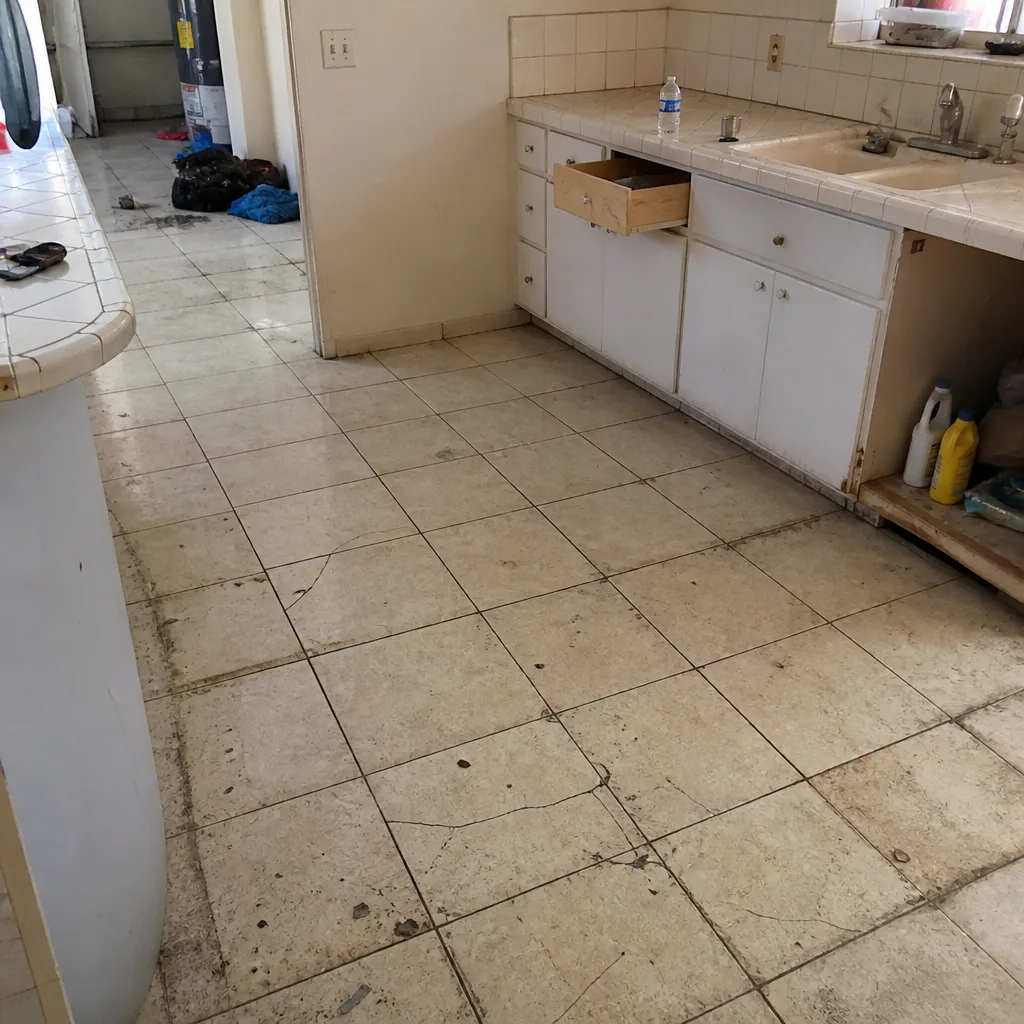
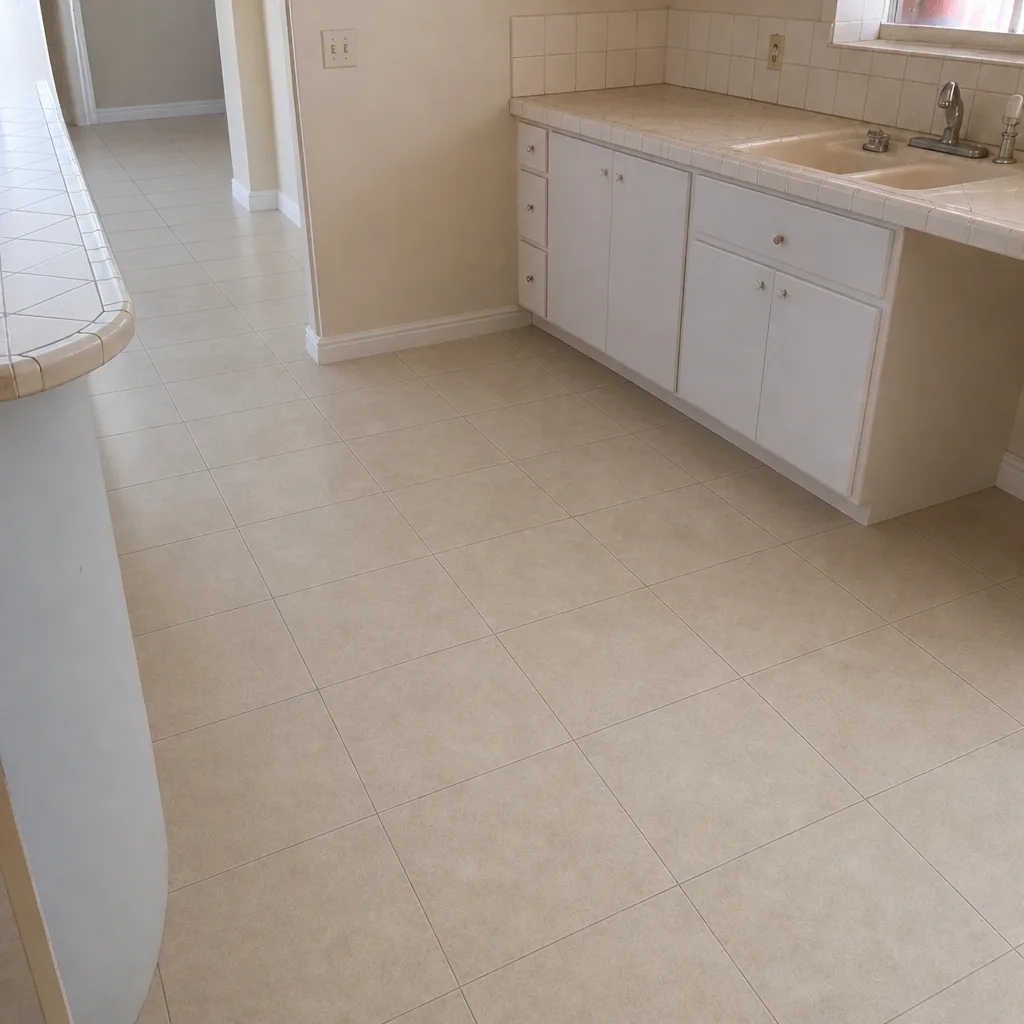
See the difference
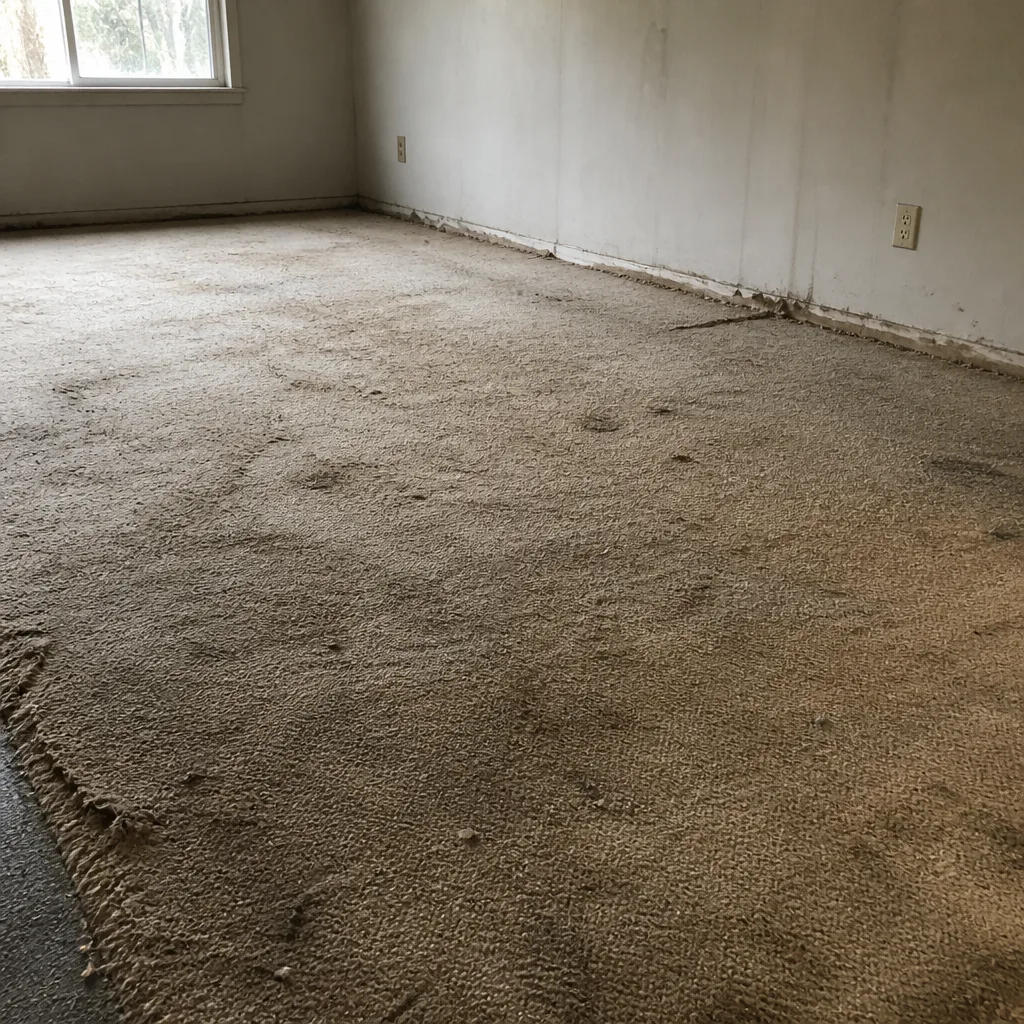 Before
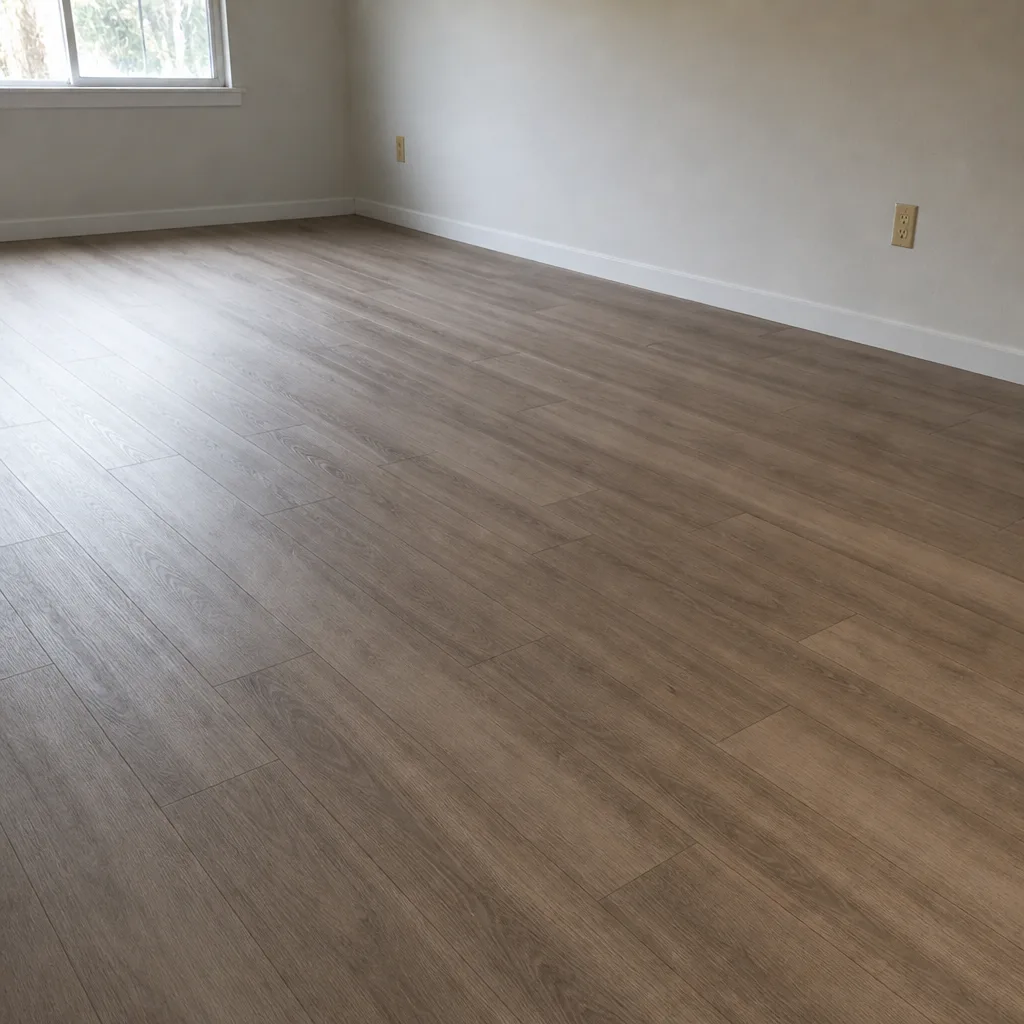 After
 Before
 After
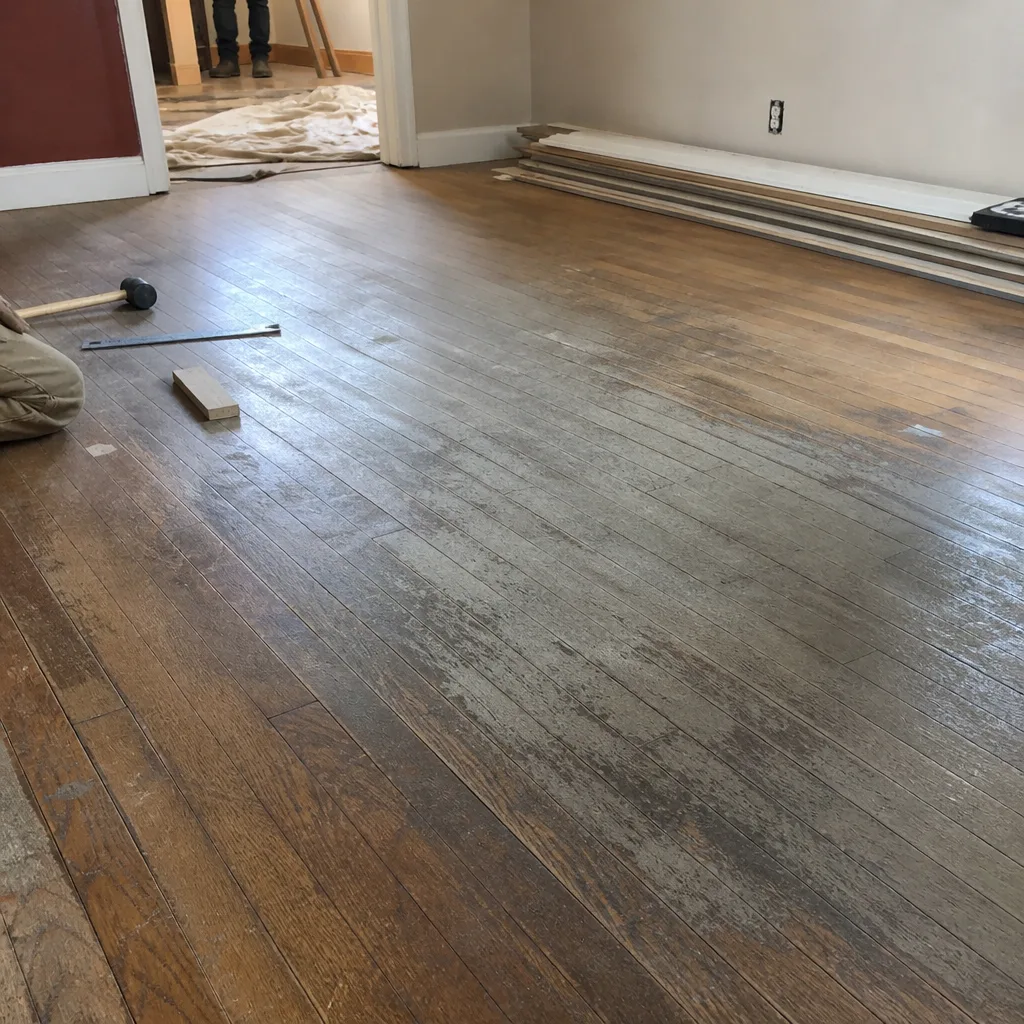 Before
 After
When to Call a Professional
Some jobs are genuinely fine to handle yourself, like pulling up old carpet in a spare room before a remodel. But flooring over a slab is different, and a handful of situations should always start with a professional estimate. If you’re installing over concrete and don’t know the moisture level, call. If the existing hardwood is cupped, squeaking, or coming loose, call. If every door in the hallway needs to be trimmed because the new floor sits higher, call. If you’re tiling a large open floor plan where the layout will be visible from three rooms at once, call. If you’ve chosen a product and the subfloor condition is unknown, call. Flooring Spring Valley offers free estimates in Spring Valley – call (888) 350-5054. We answer 24/7, with fast dispatch from 7am to 7pm, Sunday through Friday. A call outside dispatch hours is booked into the next opening.
Frequently Asked Questions
For most Spring Valley homes, tile in wet rooms and entryways, water-resistant vinyl plank or tile in kitchens, carpet in bedrooms, and engineered hardwood or refinishing in living areas is the combination that holds up best to the local climate and slab construction. The final choice depends on the room, the subfloor, and how you use the space, which is why a free in-home estimate is the right first step. Call (888) 350-5054 to schedule one.
You can, but not solid hardwood directly – engineered hardwood that’s glued or floated, or a plywood subfloor built over the slab, are the realistic routes. The slab has to be tested for moisture first, and the results determine what’s viable. Call (888) 350-5054 for a free estimate that includes a moisture check on your slab.
Usually yes. Refinishing typically runs in a lower range than full replacement, and it keeps the existing floor instead of sending it to a landfill. Whether your floor can be refinished at all depends on its thickness and condition, which we check at the estimate. Call (888) 350-5054 to book a free evaluation.
A single bedroom is usually a half-day job and a whole-home carpet install spans multiple days, but the exact schedule depends on square footage, furniture, and stair work. The install length and the day it starts are set at the estimate, not over the phone. Call (888) 350-5054 to schedule your free in-home measure.
The brands span different tiers rather than one being universally better: Armstrong and Pergo sit at accessible price points, Karndean and COREtec lead in vinyl quality, and Shaw and Mohawk carry broad carpet and hard surface lines. Matching the brand to the room and your budget is the point of the estimate. Call (888) 350-5054 to talk through options for your home.
Yes. Hardwood refinishing is a standalone service, and we service floors that were installed by someone else. That includes sanding, staining, and finishing existing wood without a replacement. Call (888) 350-5054 for a free estimate on refinishing what you have.
The Bottom Line
Spring Valley’s dry climate and slab-on-grade construction narrow the field before you ever pick a color. Tile and water-resistant vinyl plank are the safest bets for wet and high-traffic rooms, carpet still wins in bedrooms, and hardwood works best as engineered wood or as a refinish of the floor you already have. Check the slab, match the material to the room, and sequence the project from the messy rooms outward. Nine brands under one contractor means one conversation covers carpet, tile, and refinishing, and you can compare products on the same estimate rather than across three different quotes. Estimates are free, so the first step costs nothing but a phone call.
Call (888) 350-5054 for a free flooring estimate in Spring Valley. We answer 24/7, with fast dispatch from 7am to 7pm, Sunday through Friday. A call outside dispatch hours is booked into the next opening. Every job starts with a free in-home measure, a written quote, and a booked install day.
Written by the team at Flooring Spring Valley.