
Last updated November 18, 2026
 Luxury vinyl plank
 Hardwood
 Engineered hardwood
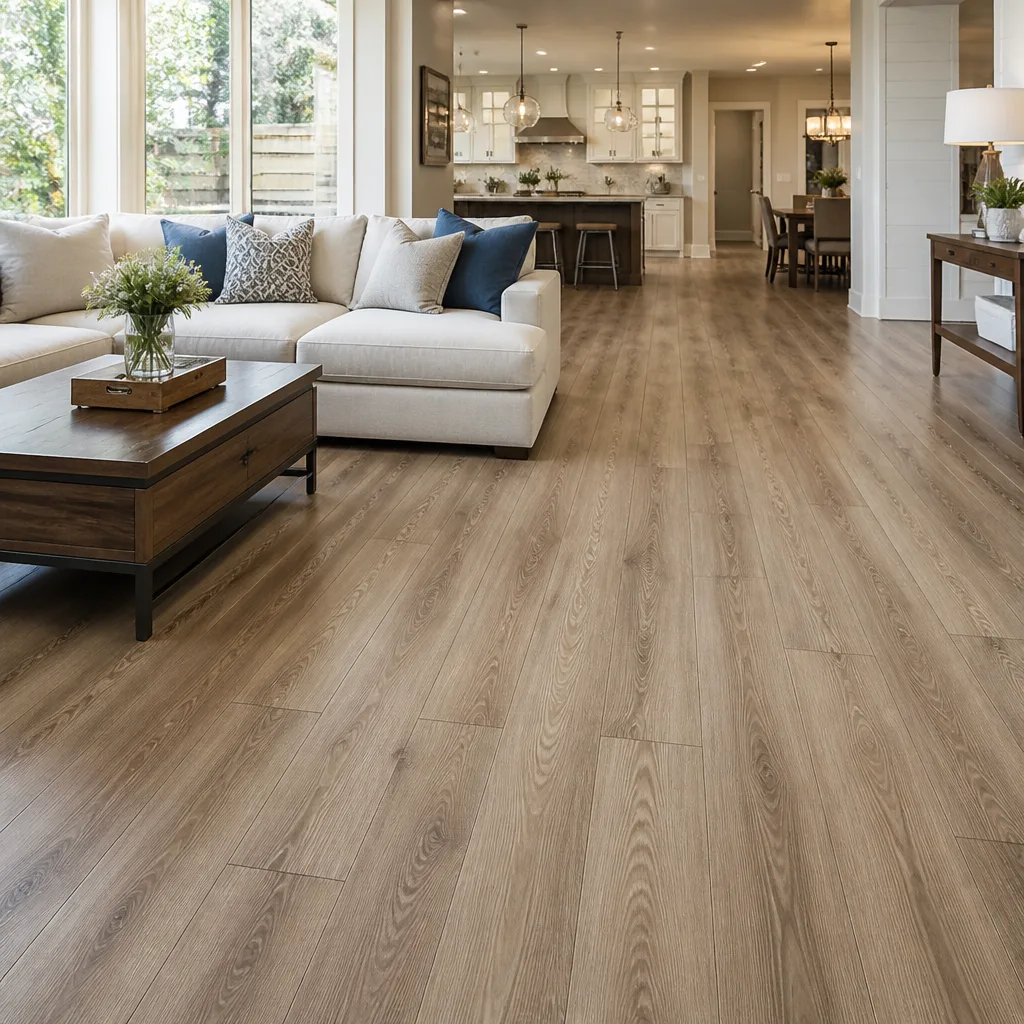 Laminate
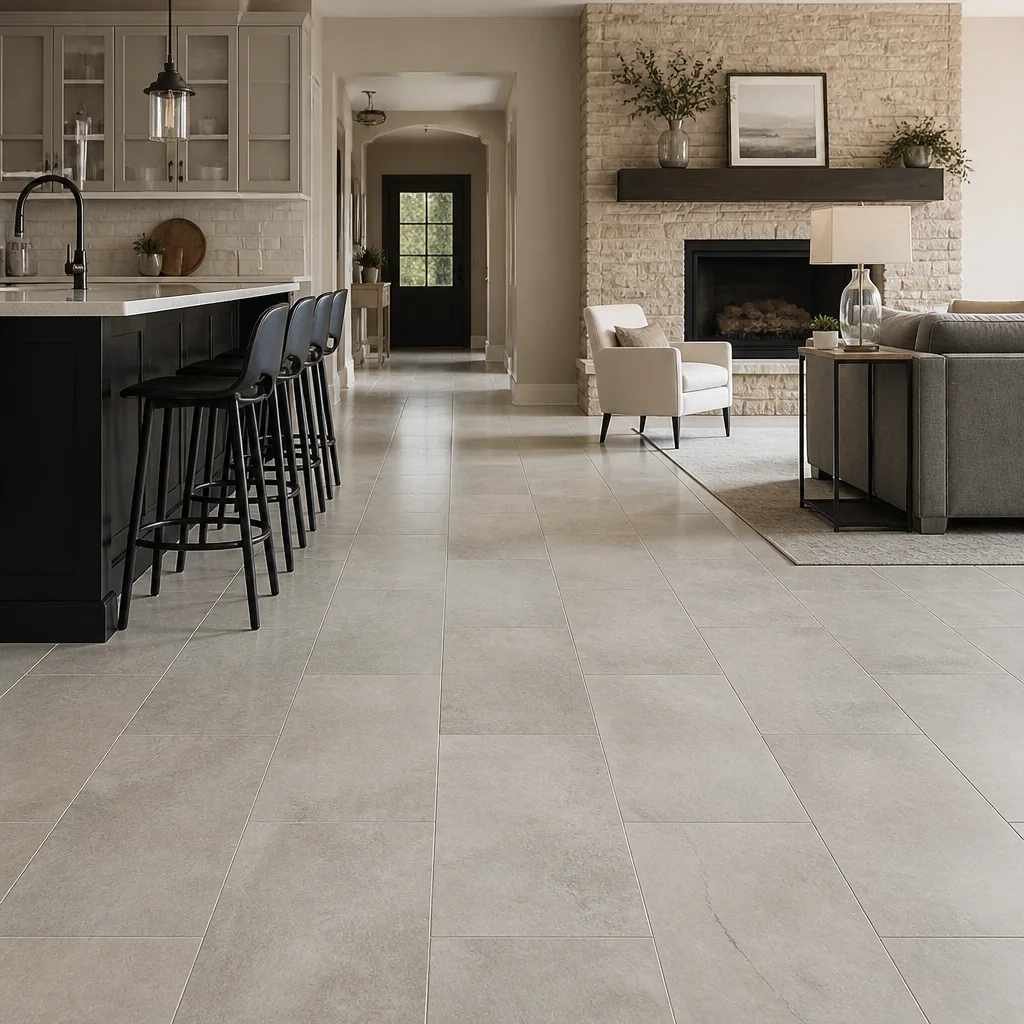 Porcelain tile
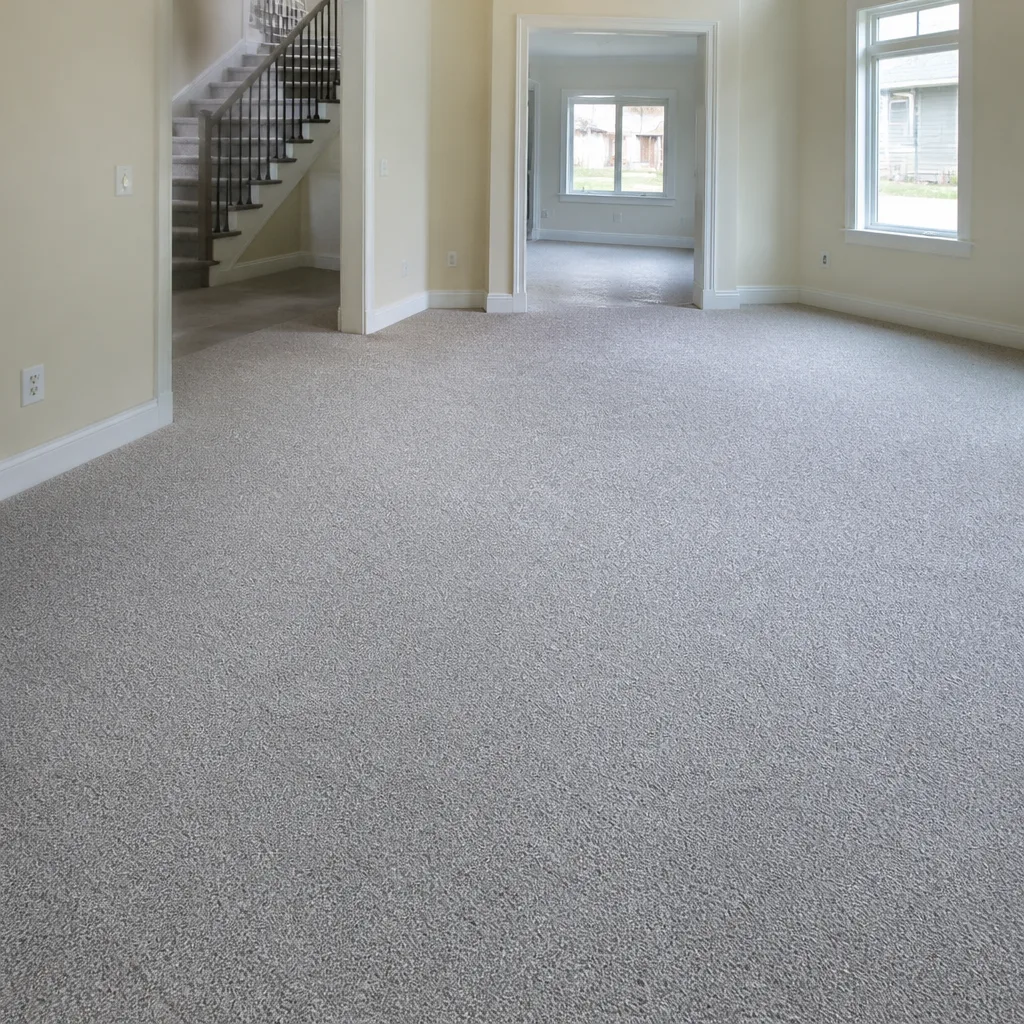 Carpet
 Shaw
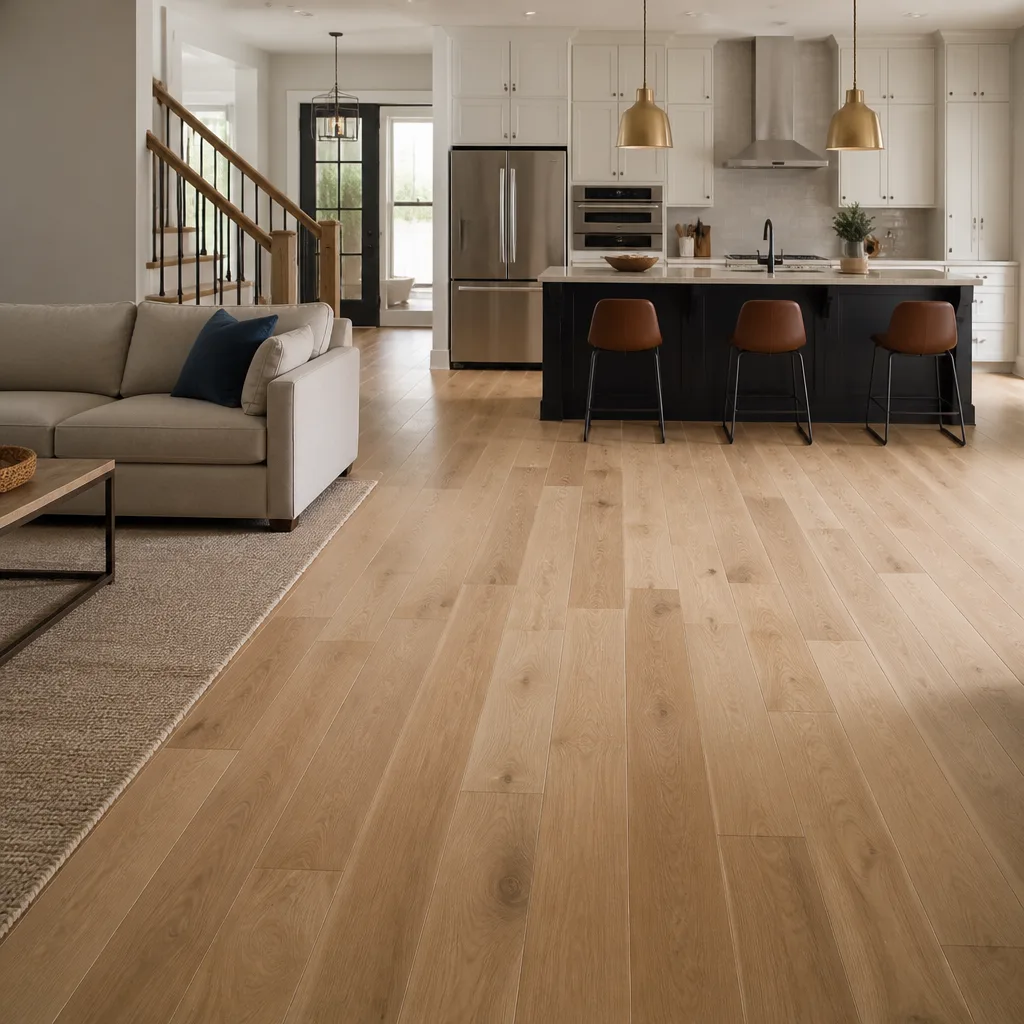 Mohawk
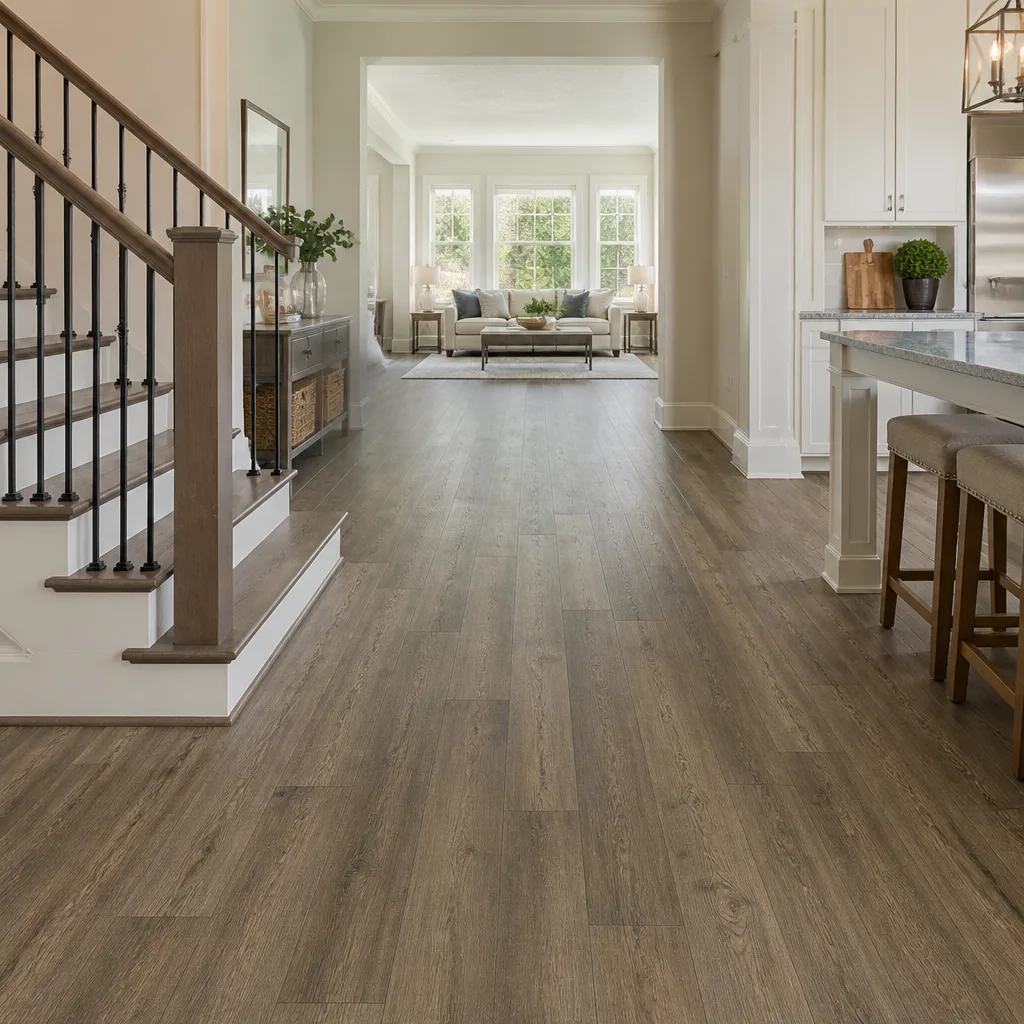 COREtec
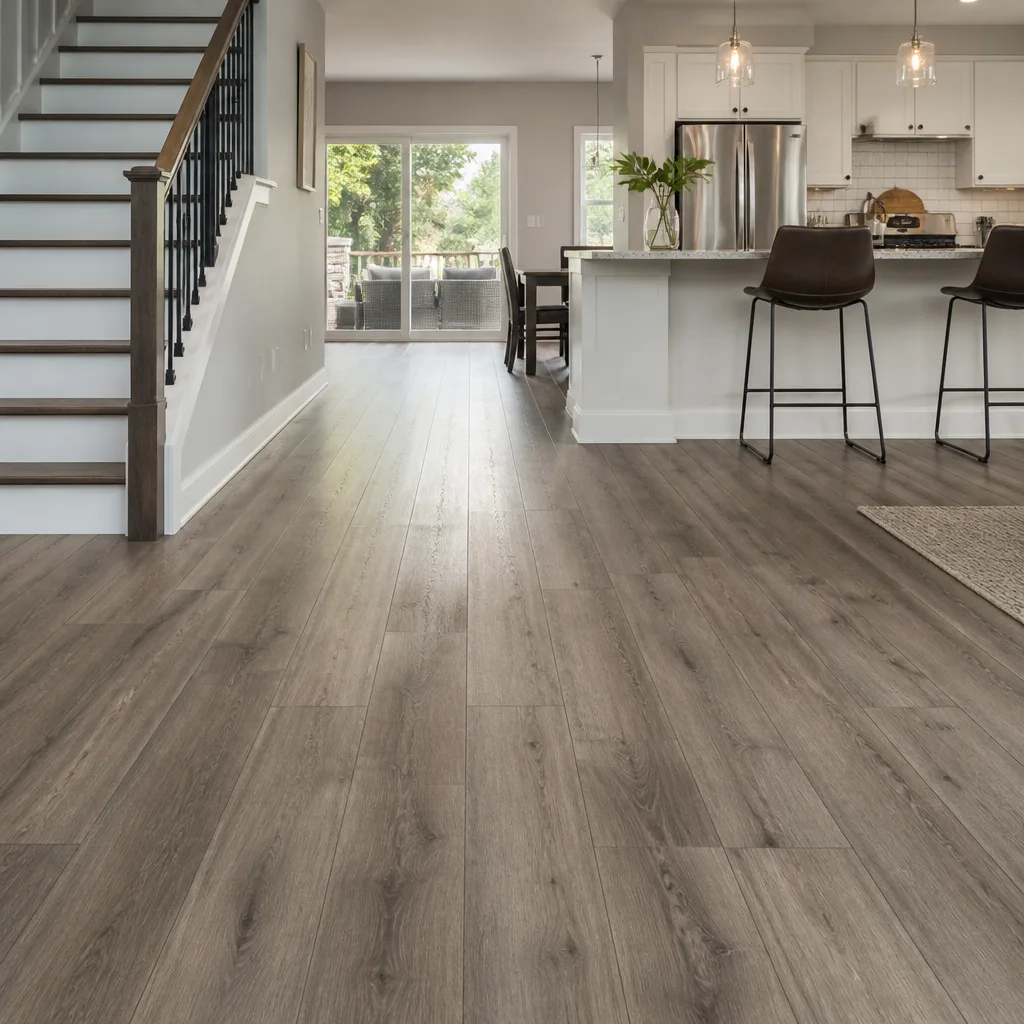 Pergo
Free in-home measure and written estimate: Shaw, Mohawk, COREtec and Pergo lines compared on your own rooms, with carpet, tile, vinyl plank, laminate and hardwood laid out side by side
Get your free estimateHardwood, Vinyl Plank, Laminate or Tile: How Spring Valley Homeowners Decide
Most flooring comparison guides start with a photo. They show you a glossy oak plank, a slate-look tile, a wide vinyl board, and tell you to pick what speaks to you. Here’s the problem: in Spring Valley, the floor that looks best in a showroom photo can be the one that fails first in your living room. Solid hardwood can perform beautifully in a Spring Valley home with steady climate control and cup badly in the same zip code in a house where the AC sits off for weeks. The floor doesn’t know the brand. It knows the humidity. This guide walks through the real decision – how your home is climate-controlled, who lives on the floor, and which material fits that reality.
Quick Answer
In Spring Valley, the hardwood vs. vinyl plank vs. laminate vs. tile decision comes down to two things: how consistently your home is climate-controlled and whether you have pets or young children. Engineered hardwood and premium luxury vinyl plank handle Spring Valley’s dry air and busy households best, tile wins in wet rooms and sun-baked slabs, and laminate only makes sense with a proper moisture barrier underneath. Appearance matters, but it’s the last filter, not the first.
Styles & brands we work with
- Hardwood
- Engineered hardwood
- Luxury vinyl plank
- Laminate
- Porcelain tile
- Carpet
- Shaw
- Mohawk
- COREtec
- Pergo
Table of Contents
- Why Spring Valley’s Climate Changes the Material Decision
- Hardwood: Solid vs. Engineered in Clark County Construction
- Luxury Vinyl Plank: The Wear Layer Conversation
- Laminate’s Moisture Sensitivity
- Tile as Thermal Mass in a Hot Climate
- Matching the Brand to the Room
- Refinish Before You Replace
- A Step-by-Step Decision Process
Why Spring Valley’s Climate Changes the Material Decision
Spring Valley’s summer ambient humidity averages under 20%. That single fact reshapes every material comparison you’ll read online, because most of those guides are written for humid climates where the concern is swelling floors and trapped moisture. Here, the bigger risk runs the other way: materials drying out, shrinking, and gapping.
Wood is hygroscopic. It moves with moisture in the air, expanding when humidity rises and contracting when it falls. In a Spring Valley home with consistent HVAC, indoor humidity stays in a reasonable band and solid hardwood can live happily for decades. Turn the AC off for a three-week summer vacation, though, and the indoor environment swings hard. Boards can cup, gaps can open at the seams, and a floor that was flat in May may not be flat in August. This isn’t a knock on hardwood. It’s an argument for matching the material to how the home is actually run.
What that means in practice:
- Homes with steady climate control (AC running, humidity roughly managed) open up the full range of options, including solid hardwood.
- Homes that sit empty for stretches or run hot and dry in summer favor engineered products and luxury vinyl plank, which tolerate swings better.
- Rooms over a slab, common in Clark County construction, need a moisture conversation before anything gets glued or floated down.
- Wet rooms – kitchens, bathrooms, laundry – should steer toward water-resistant products or tile regardless of the rest of the house.
We’ve seen all four situations across Spring Valley, often on the same street. The material that suits your neighbor’s house may not suit yours, and that’s not a sales line. It’s how the physics work.
Hardwood: Solid vs. Engineered in Clark County Construction
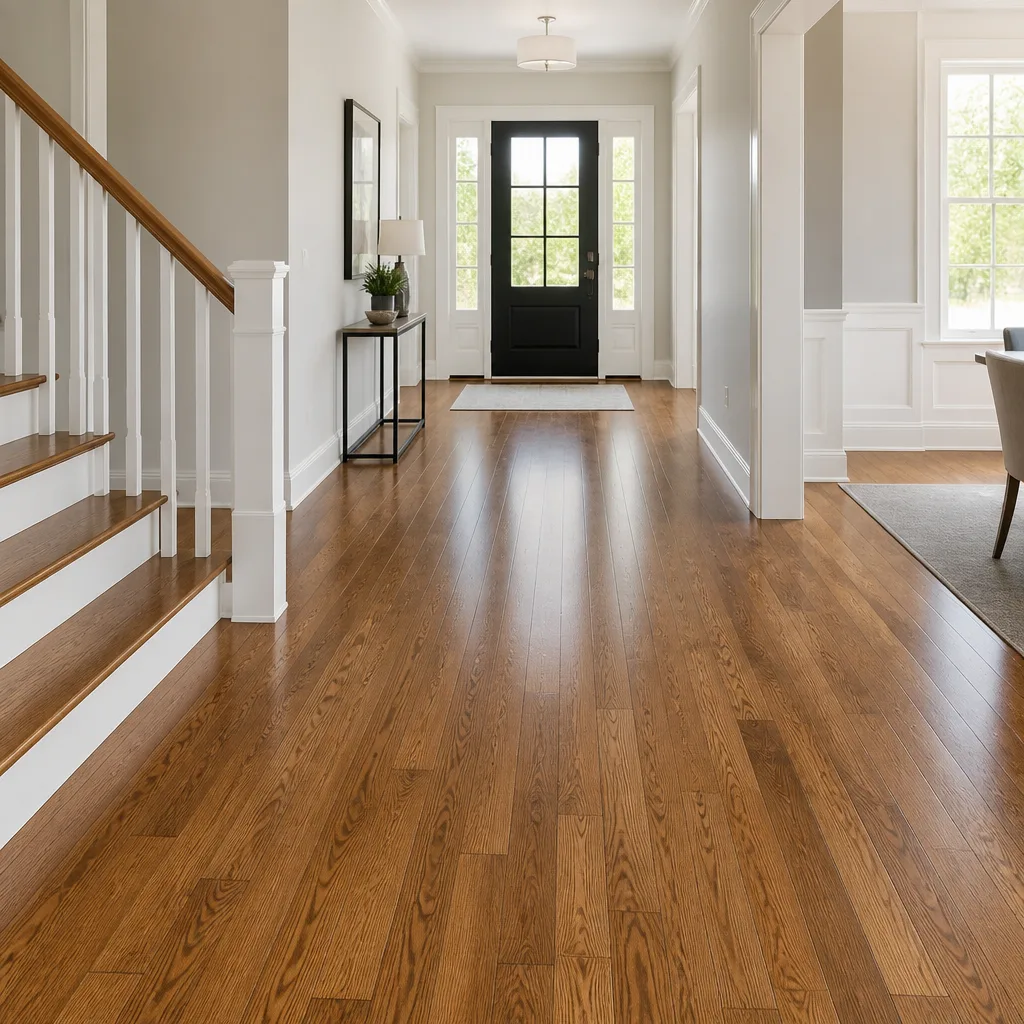
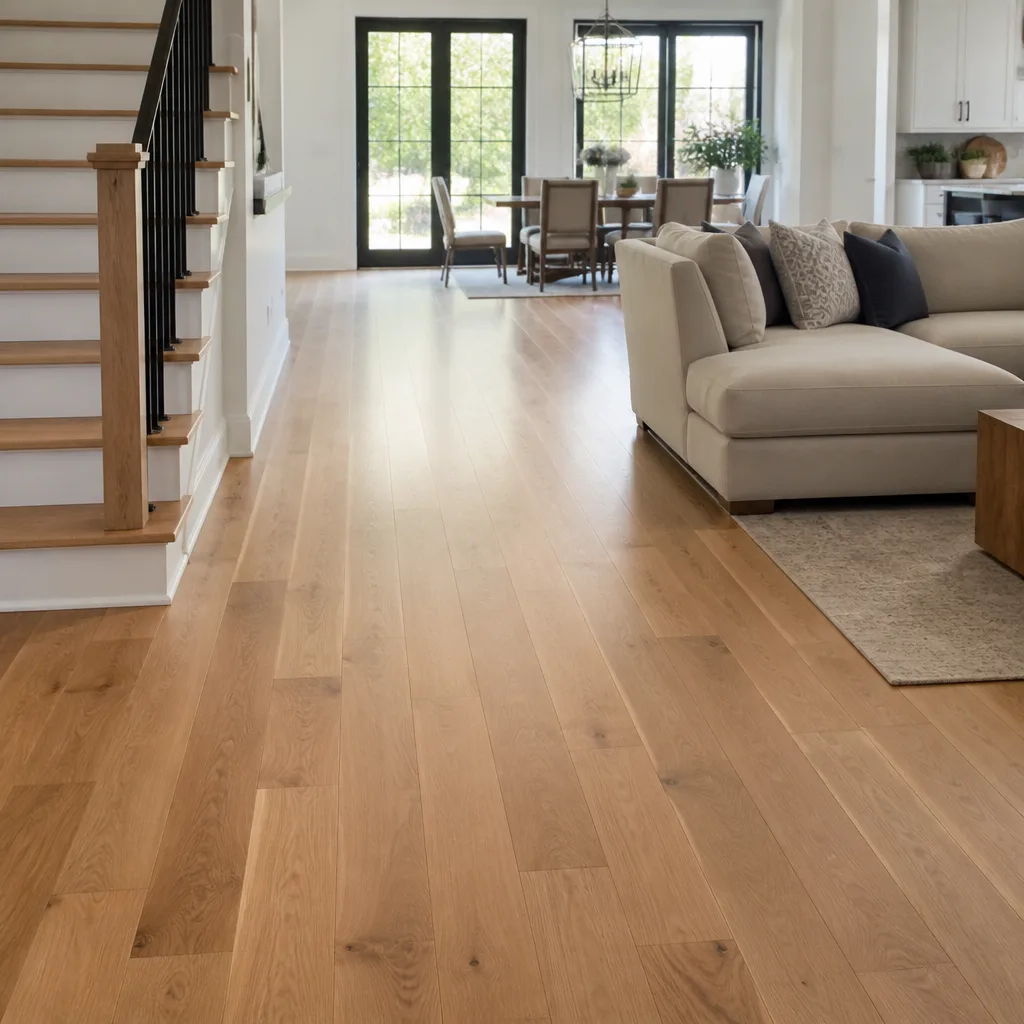
Solid hardwood is milled from a single piece of wood and responds to humidity with its full thickness. Engineered hardwood is built in layers with a real wood top, and the cross-ply core resists movement far better than solid wood does. In Spring Valley’s dry air and slab-heavy construction, engineered hardwood is often the smarter call – but not always.
When engineered hardwood makes sense
- You’re installing over a concrete slab, which is the norm in much of Clark County. Engineered products are built to handle that with the right underlayment and moisture control.
- Your home’s climate control is inconsistent – long trips, a second home, rooms that get shut off.
- You want a wide plank look. Wide solid planks move more with humidity than narrow ones; engineered holds its shape better at width.
- You’re on a budget that rules out premium solid species but still want real wood underfoot.
When solid hardwood is the right answer
- Your home keeps steady indoor humidity year-round and you plan to keep it that way.
- You’re installing over a wood subfloor with good clearance and ventilation.
- You want a floor that can be sanded and refinished multiple times over its life, which is a real advantage if you plan to stay put.
One more point that gets skipped online: refinishing only works if there’s enough wood thickness left above the tongue. A floor that’s been sanded before may not have another pass in it. We check that at the estimate visit rather than promising it up front, because thickness and condition decide it, not the brand name on the box.
Luxury Vinyl Plank: The Wear Layer Conversation
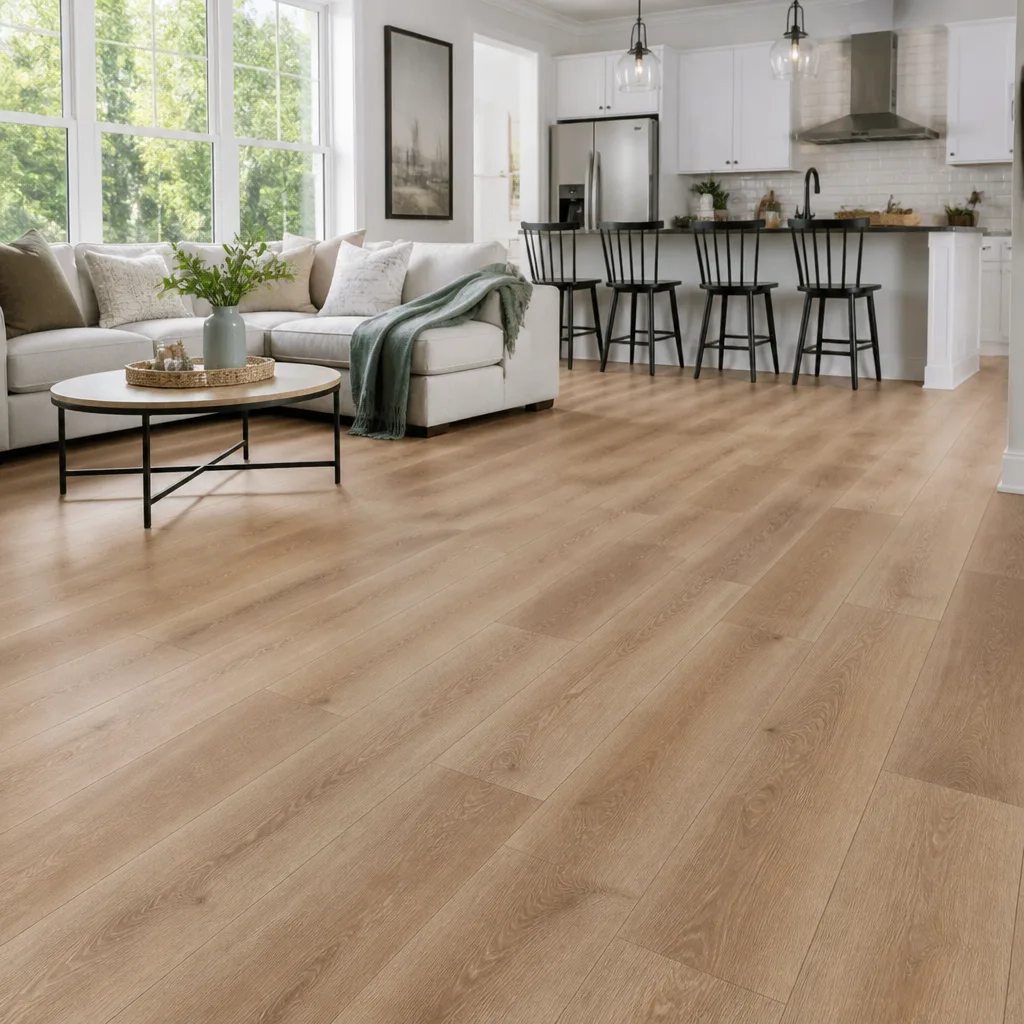
Luxury vinyl plank is the fastest-growing floor in Spring Valley, and the reason is simple: it handles dry air, it handles pets, and it handles a house that isn’t perfectly climate-controlled. But “luxury vinyl plank” covers a huge range, and the number that matters most is the wear layer – measured in mil. Here’s how those thicknesses map to real Spring Valley households.
6 mil: light-traffic rooms
A 6 mil wear layer suits bedrooms, guest rooms, and low-traffic spaces where shoes come off. It’s the budget end and it’s fine for the right room. We don’t recommend it for a main living area with a dog and two kids, because the wear layer is what stands between the print layer and your daily life.
12 mil: the mainstream residential choice
12 mil is the workhorse for Spring Valley family homes. It stands up to regular foot traffic, furniture, and the occasional dropped object. If you’re refreshing a living room, hallway, or open-plan kitchen area with normal household use, 12 mil is usually where the value sits.
20 mil: busy households and big pets
20 mil is commercial-grade territory. It’s the right pick for large dogs, high-traffic pathways, rentals, and homes where the floor takes real abuse. It costs more per square foot, but the upgrade buys you a wear layer that won’t show traffic patterns quickly.
Two brands worth knowing in this category: LifeProof builds its lineup around water resistance for kitchens and bathrooms, and COREtec sits at the premium end with a construction that feels more like a real wood floor underfoot. Karndean is the designer’s choice if you want a distinctive plank pattern. We install all three, and we’ll tell you honestly which one fits the room you’re standing in.
One caution we repeat at every estimate: no luxury vinyl plank is truly waterproof in the sense of standing water. It’s water-resistant. A slow leak under the fridge or moisture coming up through a slab still has to be dealt with, and the product instructions and the written estimate set the details.
Laminate’s Moisture Sensitivity
Laminate is a printed image on a dense fiberboard core. That core is the vulnerability: fiberboard and standing moisture do not get along. In a Spring Valley home on a slab, laminate without a proper moisture barrier is a floor waiting for a problem, and it’s often the wrong choice for exactly that reason.
That said, laminate isn’t dead. A well-made laminate from a brand like Pergo or Mannington can be a sensible choice for a dry, above-grade room with a vapor barrier underneath and a household that doesn’t leave water sitting on the floor. It’s tougher against scratches than most hardwood, and it costs less than premium vinyl or engineered wood. The catch is that it can’t be refinished – once the wear surface goes, the floor goes.
Where we steer people away from laminate in Spring Valley:
- Basements or any room where moisture wicks up from below.
- Bathrooms, laundry rooms, and any space with a real splash risk.
- Homes where the AC gets shut off for long stretches and temperature swings are wide.
- Any install over a slab without a moisture barrier plan.
If that sounds like your situation, vinyl plank usually delivers the same look with better moisture tolerance for a comparable budget. If it doesn’t, laminate from a solid brand is a fair value.
Tile as Thermal Mass in a Hot Climate
Tile behaves differently from every other floor on this list. It’s stone or porcelain, it’s dense, and it holds temperature. In Spring Valley’s hot summers, that’s a feature – a tile floor stays cool to the touch through the afternoon, and in a sun-facing room it genuinely helps the room feel less oppressive underfoot.
The flip side is winter mornings. Tile pulls heat out of your feet faster than any other surface, so a tile bedroom or a tile living room in January feels cold unless you have rugs or radiant heat. Tile works best in Spring Valley where it makes sense: entryways, kitchens, bathrooms, hallways, and any room where cool floors are welcome and bare feet are less common.
What tile installation actually involves
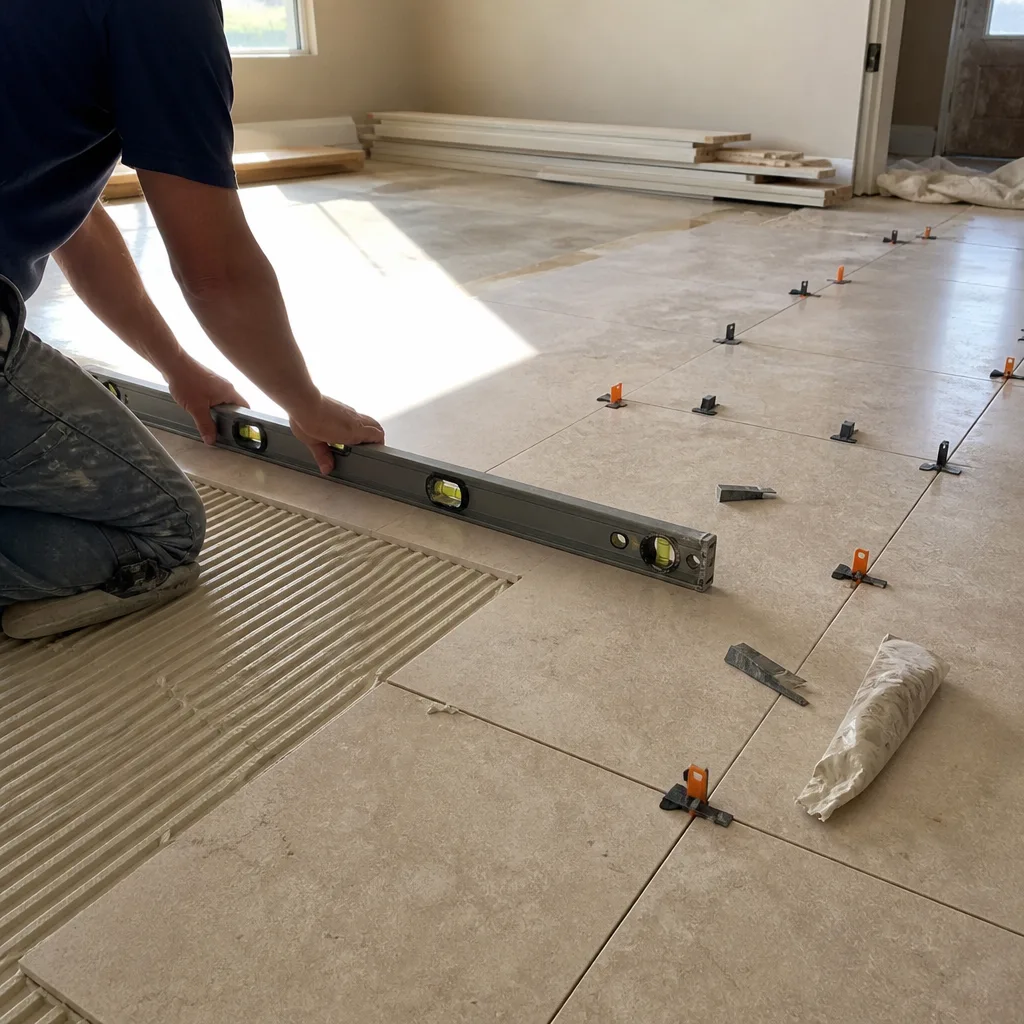
- Substrate check. Tile needs a flat, stable surface. Over a slab, that means checking for cracks, deflection, and moisture before anything else happens.
- Layout planning. Tile layout is decided before the first piece goes down – grout lines, cuts at doorways, and how the pattern lands at the room edges.
- Setting and grouting. Thinset, cure time, and grout choice are set by the product instructions, not by guesswork. We follow them.
- Sealing where needed. Some grouts and natural stone tiles need sealing; porcelain often doesn’t. The product instructions decide it.
For larger tile projects, we work with Daltile, which gives us commercial-grade supply depth and consistent availability when a whole floor is going down at once. That matters most on a whole-home renovation where you can’t afford to run short mid-install.
Matching the Brand to the Room
We carry nine flooring brands because no single brand is right for every room. Here’s how we think about matching product to space – not as a ranking, but as a fit question.
- LifeProof for pet owners. Water resistance and a wear layer that handles claws and accidents make it a natural fit for busy Spring Valley households.
- COREtec for a wood-look floor in a wet-adjacent room. The premium construction feels closer to real wood while staying tolerant of moisture.
- Karndean for a designer-level finish. Distinctive plank patterns and a high-end look when the floor needs to be a feature, not a backdrop.
- Pergo and Armstrong for accessible pricing. Solid laminate and vinyl options for a room refresh without the premium price tag.
- Mannington for a range in one family. Carpet, hardwood, and luxury vinyl under one brand name, which helps when you’re coordinating across rooms.
- Shaw and Mohawk for carpet. Both are strong on the carpet side if a bedroom or stairs are part of your project.
- Daltile for tile at scale. Supply depth and consistent availability on larger footprint projects.
When you’ve already researched a brand online and walked into a store to look at it, that research doesn’t have to restart. We install the brands you’ve already looked at, and we’ll tell you which one suits the room rather than the one with the best margin. You can see our full service picture on Flooring Spring Valley, and the same team handles carpet installation and tile flooring installation if the project spans more than one room.
Refinish Before You Replace
If you already have hardwood floors in your Spring Valley home, the cheapest decision is often the one you haven’t considered: don’t replace them. Refinishing takes the existing floor down to bare wood, repairs what needs repair, and puts a new finish on top. You keep the original material, you skip the tear-out, and you get a floor that looks new without the cost of a new floor.
Refinishing is a distinct service from new installation, and it only works under certain conditions:
- The wood needs enough thickness above the tongue to sand without hitting it. A floor that’s been sanded down before may not have another pass left.
- Deep stains, pet damage, or water damage that’s penetrated below the surface may not sand out.
- Structural damage – cupping that won’t flatten, loose boards, soft spots – may call for repair rather than a simple refinish.
- Stain matching depends on the species and condition of the wood. We check it at the estimate rather than promising a match to a sample.
We offer refinishing as a standalone service, which means we’ll work on floors we didn’t install. If the wood is sound and thick enough, refinishing buys you years you’d otherwise spend on a full replacement. That’s the first conversation worth having before you price new flooring in Spring Valley.
A Step-by-Step Decision Process
Here’s the sequence we recommend when a Spring Valley homeowner is trying to decide between hardwood, vinyl plank, laminate, and tile. Run through it before you price anything.
- Name the room’s real conditions. Wet or dry? Sun-baked or shaded? Over a slab or a wood subfloor? Each answer narrows the field.
- Check your climate control honestly. Will the AC run year-round, or does the house sit empty for stretches? This decides whether solid hardwood is even on the table.
- Count the traffic. Kids, dogs, and a busy hallway push you toward higher wear layers and water-resistant products. A guest room doesn’t need the same spec.
- Set the budget per room, not per house. Splurge on the room you live in and value-engineer the rest. Mixing brands across rooms is normal and smart.
- Ask about refinishing if you already have hardwood. It’s the cheapest option on the table when the wood qualifies, and it’s worth pricing before you replace.
- Get the free in-home measure and written estimate. Every number that matters – square footage, subfloor condition, product spec, and schedule – gets confirmed at that visit, not over the phone.
None of these steps require you to know a brand name. They require you to know your house. That’s the part most comparison guides skip. Call (888) 350-5054 when you’re ready to walk through it with someone who’s seen how these floors perform in Spring Valley homes.
Common Mistakes to Avoid
- Choosing by photo instead of by room conditions. A floor that looks right in a showroom may not survive a Spring Valley slab with inconsistent climate control. Match the material to the room, not the other way around.
- Skipping the moisture barrier under laminate. Laminate’s core is vulnerable to moisture from below, and over a slab that’s the most common install mistake we see. If you’re going laminate, the barrier is not optional.
- Buying the cheapest wear layer for a busy household. A 6 mil plank in a living room with a large dog and two kids will show traffic patterns long before a 12 or 20 mil would. The savings up front cost you a replacement later.
- Assuming every hardwood floor can be refinished. Thickness above the tongue and condition decide it. A floor that’s already been sanded thin can’t always take another pass, and a stain won’t always match a sample.
- Treating luxury vinyl plank as truly waterproof. Water-resistant, yes. Standing water and moisture from below still have to be addressed, and the product instructions set the limits.
- Putting tile in a bedroom because it looked good in the kitchen. Tile is cool underfoot, which is great in summer and cold in winter. Rooms where you walk barefoot need a rug or a different material.
- Skipping the in-home measure. Square footage, subfloor flatness, and doorway transitions are where budgets go sideways. A written estimate after a real measure prevents that.
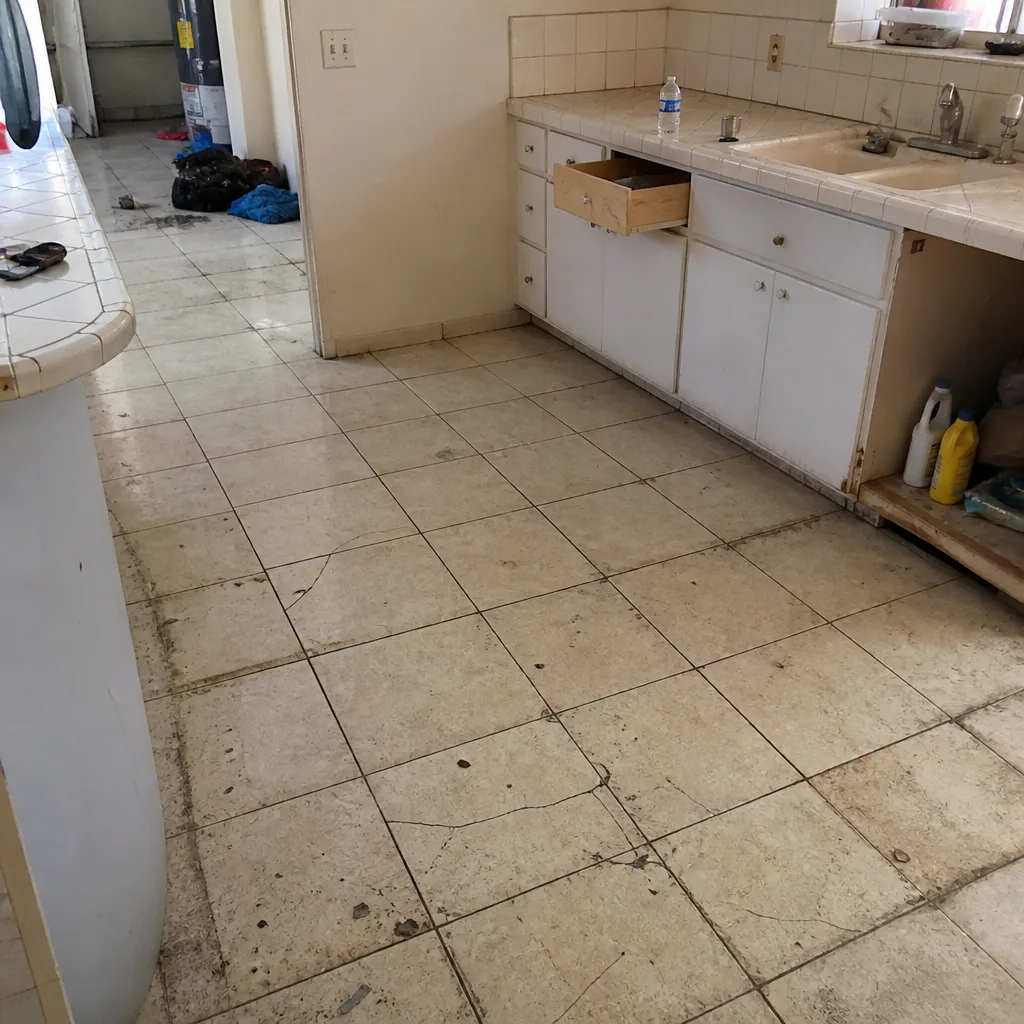
See the difference
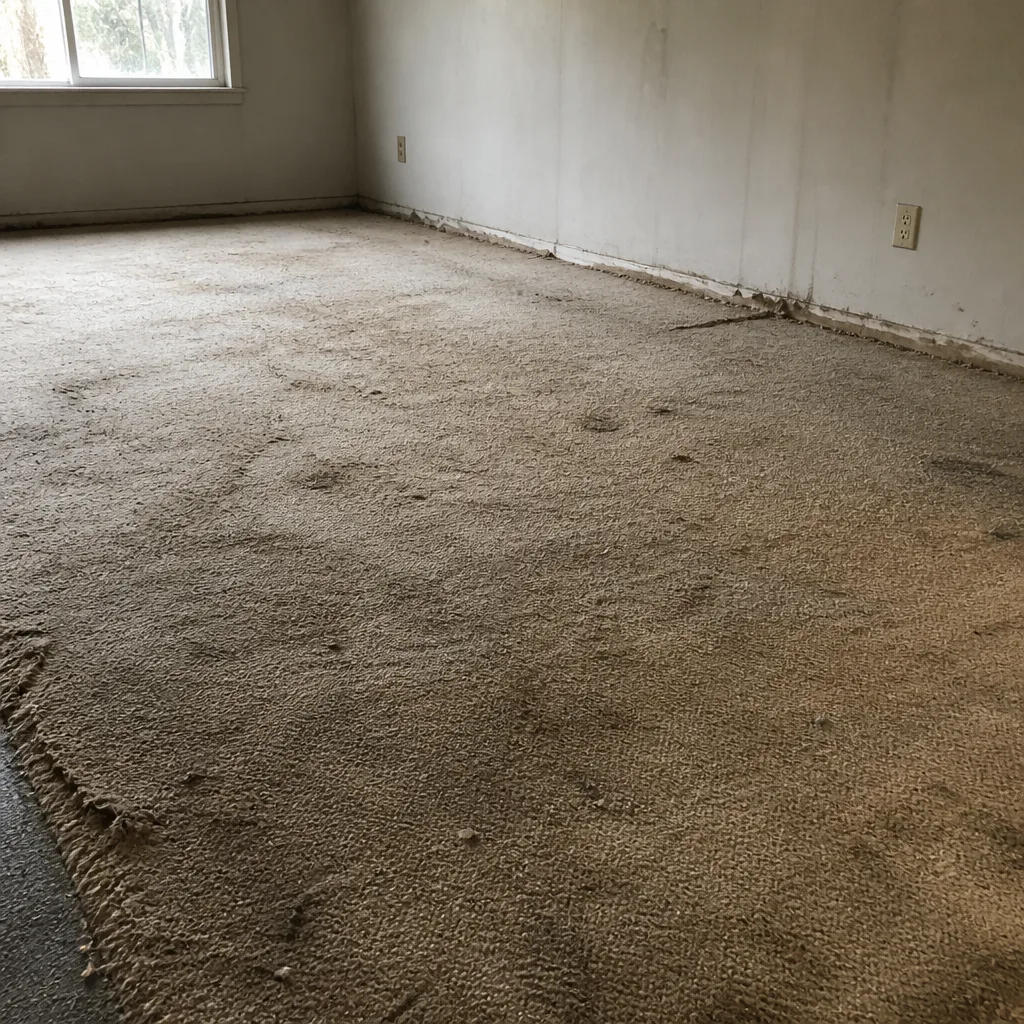 Before
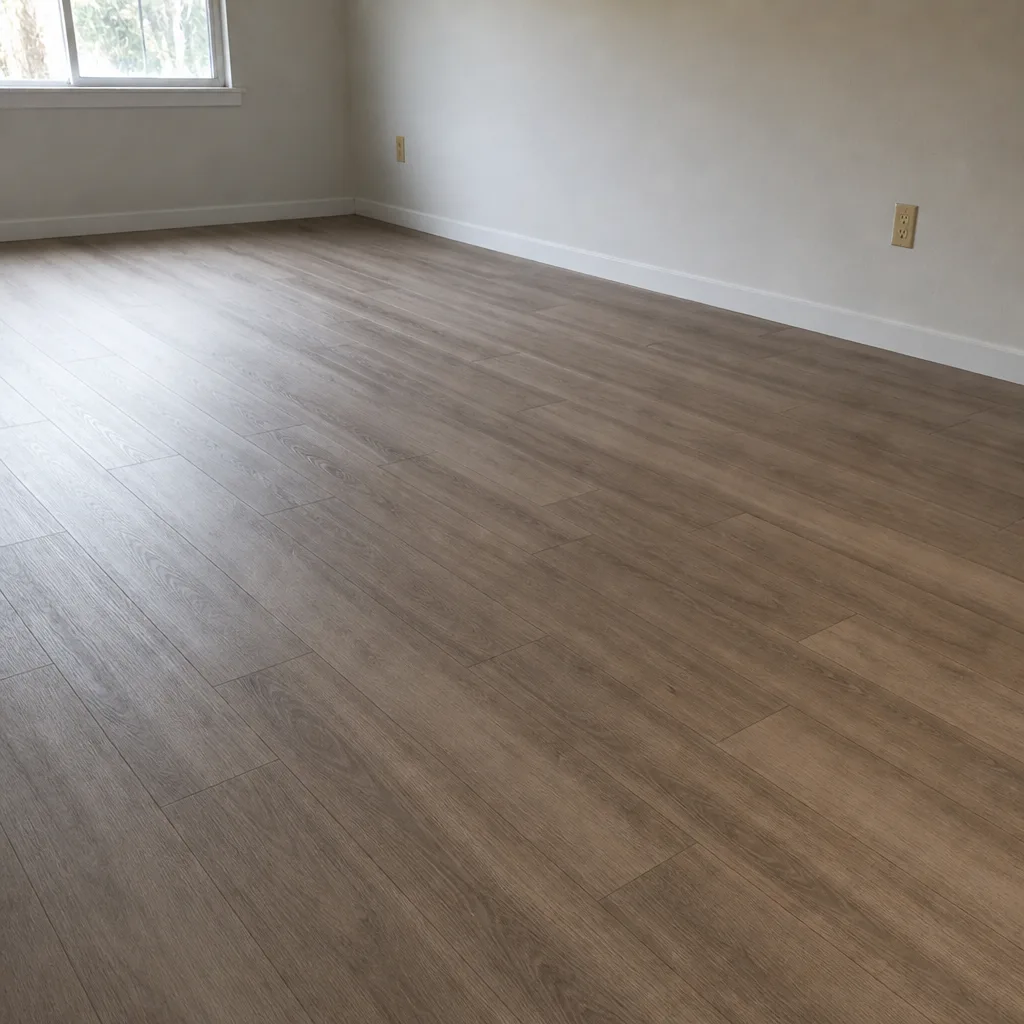 After
 Before
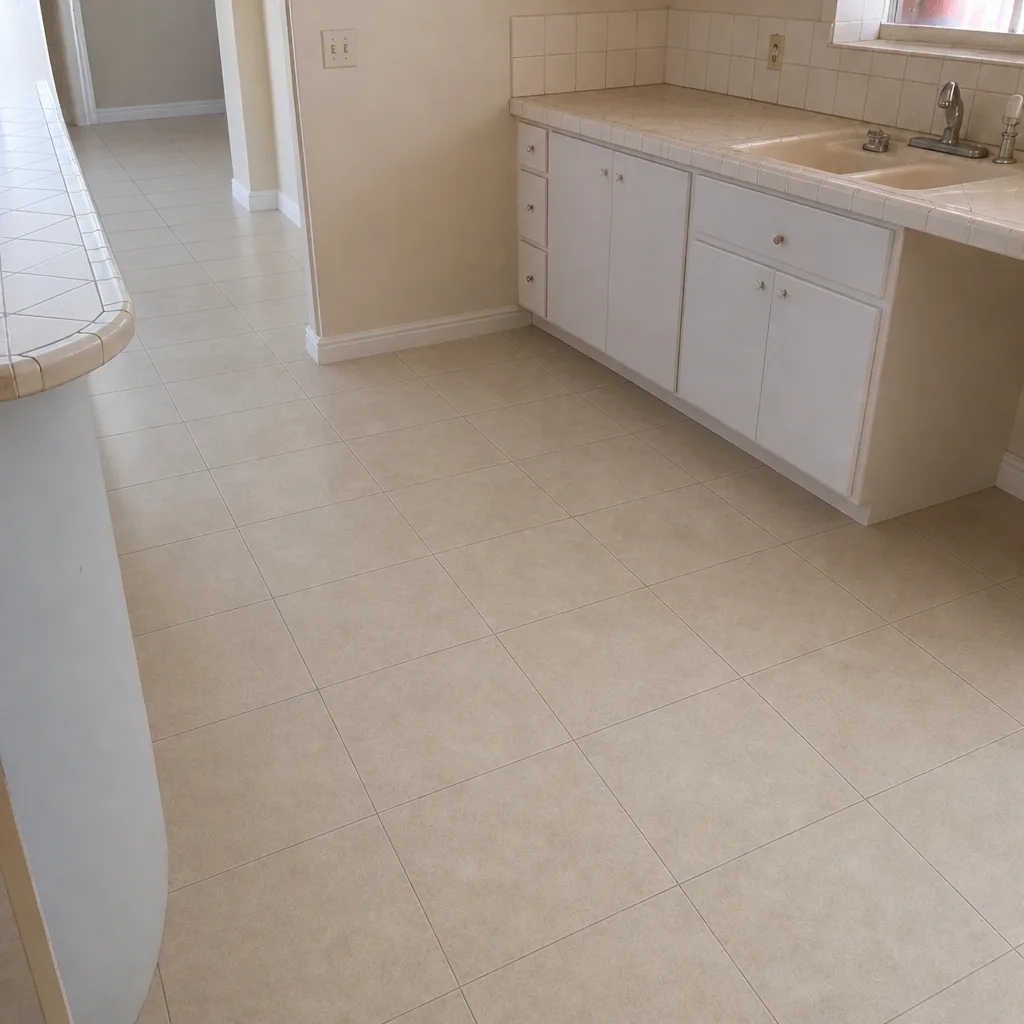 After
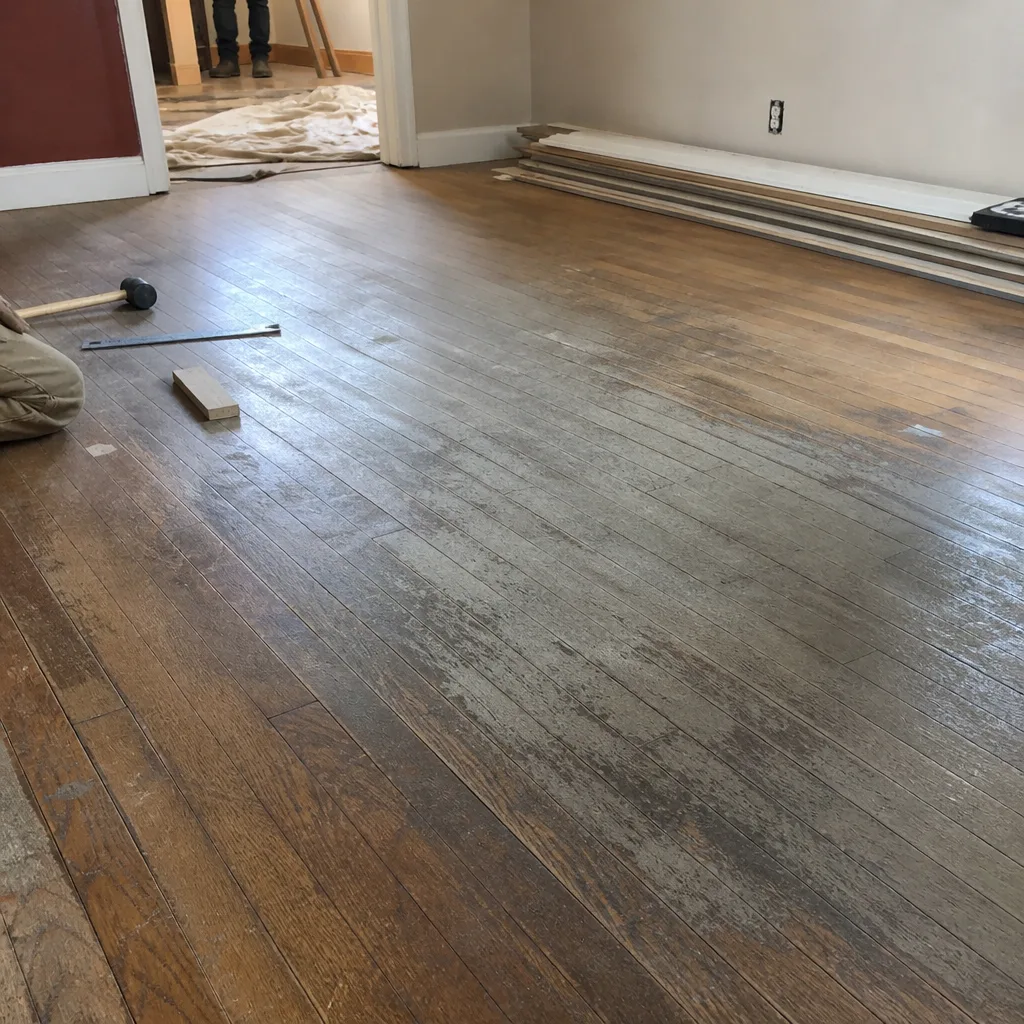 Before
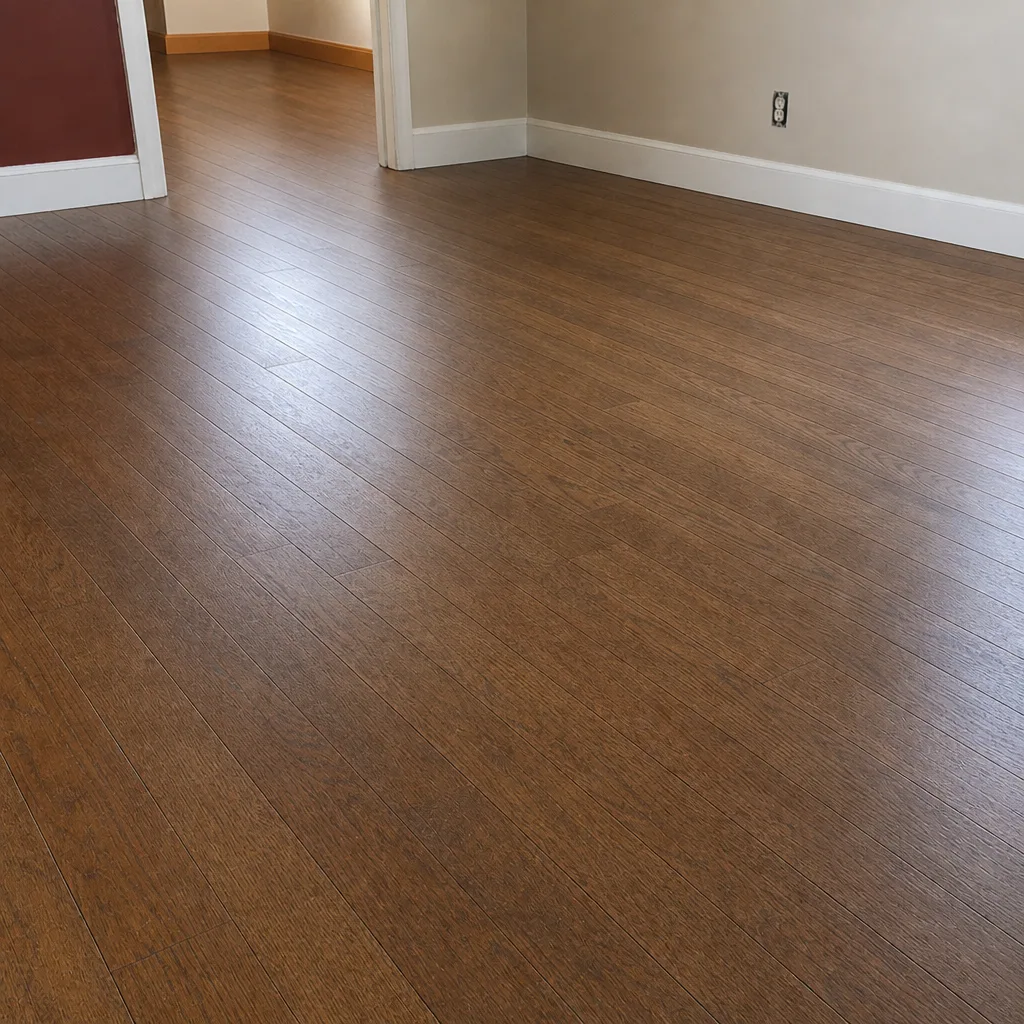 After
When to Call a Professional
Some flooring decisions need a pro’s eyes on the actual room. Call us when you’re unsure whether your existing hardwood can be refinished, when the subfloor condition is unknown, when the room is over a slab and you’re not sure about moisture, or when a whole-home renovation is too large to coordinate yourself. Call us too if you’re stuck between two products and need someone to look at the room and tell you which fits. Our technicians have up to 14 years of experience across carpet, tile, and hardwood refinishing, and we give free estimates in Spring Valley. Call (888) 350-5054 to schedule yours.
Frequently Asked Questions
Luxury vinyl plank with a 20 mil wear layer is usually the best fit for a Spring Valley home with pets. It stands up to claws and accidents, tolerates dry air, and handles a household where climate control isn’t perfect. LifeProof and COREtec are the brands we most often recommend for pet-heavy homes. Call (888) 350-5054 for an exact quote – estimates are free.
Not if your home stays climate-controlled year-round. Solid hardwood performs well in a Spring Valley home with consistent HVAC and manageable indoor humidity. It’s a riskier call in a home that sits empty for stretches with the AC off, where dry air and swings can cause cupping and gapping. Engineered hardwood handles those swings better.
Pricing depends on the material, square footage, subfloor condition, and whether tear-out is involved, so the written estimate sets the final number. Luxury vinyl plank typically costs less per square foot than engineered hardwood or tile, and refinishing an existing hardwood floor is often the cheapest option when the wood qualifies. Call (888) 350-5054 for an exact quote – estimates are free.
Yes. Refinishing is a standalone service for us, and we work on existing hardwood floors regardless of who installed them. We check thickness and condition at the estimate visit to confirm whether the floor can be sanded safely. Call (888) 350-5054 to schedule the free measure.
Laminate’s fiberboard core is vulnerable to moisture from below, and many Spring Valley homes sit on a slab. Without a proper moisture barrier, laminate can swell and fail regardless of how careful you are with spills. It works in dry, above-grade rooms with a barrier underneath, but vinyl plank usually offers the same look with better moisture tolerance.
Yes. We come out, measure the room, look at the subfloor and conditions, and give you a written estimate at no cost. Nothing gets booked until you’ve seen the number and decided it works. Call (888) 350-5054 to schedule your free estimate.
The Bottom Line
Hardwood, vinyl plank, laminate, and tile all work in Spring Valley – the question is which one fits your home’s climate control, your household traffic, and the room itself. Solid hardwood rewards a home with steady HVAC; engineered hardwood and premium luxury vinyl plank tolerate the swings. Laminate needs a moisture barrier or it shouldn’t go down at all. Tile is the right call in wet rooms and summer-hot spaces, less so under bare feet in winter. If you already have hardwood, price refinishing before you replace. Get the free in-home measure, and let the written estimate – not a showroom photo – make the decision.
Written by the team at Flooring Spring Valley.